Why Do You Need a Bike Helmet and Lock?
A bike helmet and a dependable lock solve different problems, but both belong in a rider’s daily routine. A helmet helps protect your head during a crash; a lock helps keep your bicycle where you left it. Neither is perfect. A helmet cannot prevent every injury, and no lock makes a bicycle theft-proof.
The risks are real. The U.S. National Highway Traffic Safety Administration recorded 1,105 bicyclist deaths in traffic crashes in 2022. In a 2017 peer-reviewed meta-analysis, transport researcher Jake Olivier and co-author Paul Creighton reported: “The odds of head injury were lower among helmeted cyclists (OR 0.49, 95% CI 0.42 to 0.57).” This finding supports helmet use, though it should not be read as a guarantee of safety.
A practical Bike Helmet And Lock setup starts with a well-fitting, properly certified helmet and a lock suited to your bicycle and parking conditions. Check that the helmet sits level and does not shift when you move your head. When parking, secure the frame to a fixed rack; a loose wheel beside a locked frame is an easy detail to overlook. Small choices matter. So does checking your gear regularly. The advice sounds simple, perhaps too simple, but rushed rides are exactly when basic checks get skipped. This guide explains why both items matter and how to choose and use them with care.
Bicycle Safety Risks and the Importance of Protective Gear
Why Do You Need a Bike Helmet and Lock?
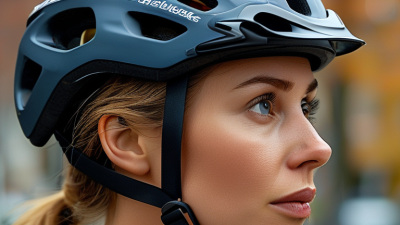
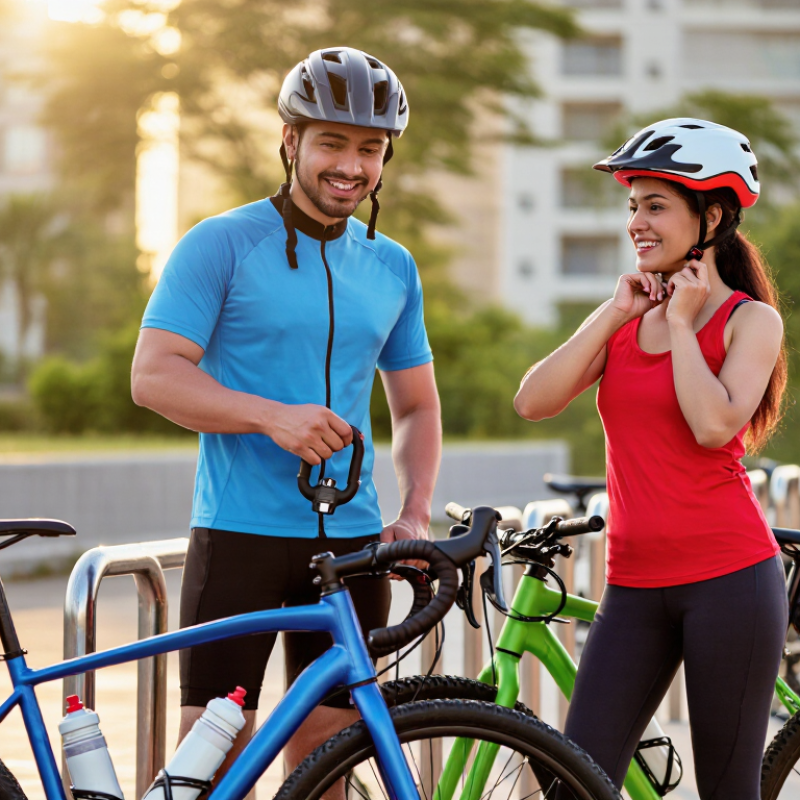
Bicycle safety risks can appear on familiar streets, not just busy roads. A car door may open suddenly, gravel can shift beneath a tire, or a wet painted line can become slippery. A properly fitted helmet helps reduce the risk of serious head injury in a crash, though it cannot prevent every injury. It should sit level, cover the forehead, and stay secure when you shake your head. Fit matters.
Protective gear works best alongside careful riding. Use lights in dim conditions, check your brakes and tires, and leave enough space around parked cars. A sturdy lock also matters when you leave your bicycle outside. Secure the frame and a wheel to a fixed rack, and choose a visible, well-used place when possible. I sometimes underestimate how quickly a short stop can become a long one; that is exactly when an unlocked bike is vulnerable.
Tips: Check helmet fit before each ride. Slow down on wet surfaces and near parked cars. Lock your bicycle even for brief stops, and keep the key or combination easy to find. A helmet and lock are not guarantees, but small habits can lower avoidable risks.
How Helmets Help Prevent and Reduce Head Injuries
A bike helmet cannot prevent every crash, but it can reduce the force reaching your head during an impact. Its hard outer shell helps spread contact across a wider area, while the inner foam compresses to absorb energy. That matters on ordinary rides, too. A fall at low speed onto a curb can still cause a serious head injury.
Fit matters. The helmet should sit level, low on the forehead, with the front edge about two finger-widths above your eyebrows. Adjust the side straps so they form a neat V around each ear. Fasten the chin strap snugly; you should be able to fit only one or two fingers beneath it. Give the helmet a gentle shake. It should stay in place. Small details count.
Replace a helmet after a crash that causes an impact, even if the shell looks fine. Hidden damage may weaken its protective foam. Check for cracks, loose straps, or a poor fit, and choose a helmet that meets recognized safety standards in your region.
A helmet is not a guarantee. Still, wearing one is a practical layer of protection, even on a short, familiar trip. It is easy to skip. That is worth reconsidering.
Choosing and Wearing a Helmet Correctly
A helmet only helps when it fits your head, not when it hangs from your handlebars. Choose one labeled as meeting the U.S. Consumer Product Safety Commission bicycle helmet standard, and check the shell and straps for cracks or fraying. The CDC reports that helmets can reduce the risk of serious head injury by about 60%. That protection depends on wearing it correctly.
Set the helmet level, with its front edge about one or two finger-widths above your eyebrows. The straps should form a V just below each ear. Buckle the chin strap snugly; you should fit about two fingers beneath it. Shake your head gently. If the helmet slides toward your eyes or rocks backward, adjust the straps or try another size. Not too loose.
NHTSA’s bicycle safety guidance also stresses a secure fit and replacing a helmet after a crash, even if damage is hard to see. A quick mirror check helps, but it is easy to rush when you are late. Take a moment to fasten the buckle and check the fit again. Helmets cannot prevent every injury, and a poor fit can make them less effective.
Why Do You Need a Bike Helmet and Lock? — Choosing and Wearing a Helmet Correctly
Research indicates that helmet use is associated with lower odds of several types of cycling injury. Choose a helmet that fits snugly, sits level, and has a securely fastened chin strap. Lock your bike to a fixed, immovable object, securing the frame and a wheel.
Source: Olivier and Creighton, “Bicycle injuries and helmet use: a systematic review and meta-analysis,” Accident Analysis & Prevention (2017). Percentages show estimated reductions in odds, not guaranteed protection.
How Bicycle Locks Help Prevent Theft
A bicycle lock turns a quick grab into a slower, more visible effort. That matters near busy racks, where a thief may choose an easier target. The Office for National Statistics recorded about 77,000 bicycle thefts in England and Wales in the year ending March 2023. The figure counts reported offences, so it does not capture every theft. Still, it shows why leaving a bicycle unsecured, even briefly, is a real risk.
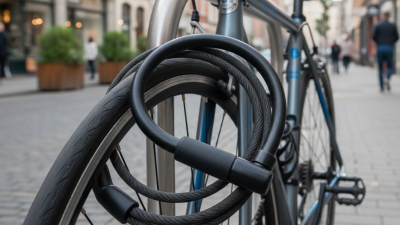
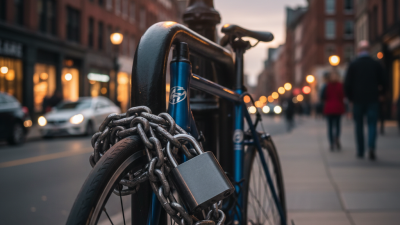
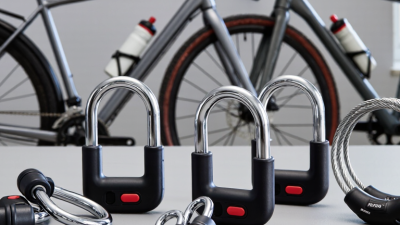
Lock the frame and at least one wheel to a fixed rack, not to a loose sign or short post. Keep the lock off the ground; a cable resting on pavement can be easier to cut. A second lock can secure the other wheel, though carrying extra weight is inconvenient. No lock makes theft impossible. That is worth remembering.
Choose a well-rated lock suited to the place and the time you will leave your bike. Independent testing schemes assess locks against forced-entry methods, but ratings are not guarantees. In practice, a sturdy rack, a visible location, and a tight locking position all help reduce opportunity. Record the frame number and take a clear photo before your next ride. Small details matter, even if people often forget them.
Why Do You Need a Bike Helmet and Lock? - How Bicycle Locks Help Prevent Theft
| Safety Dimension |
Bike Helmet |
Bicycle Lock |
| Main purpose |
Helps reduce the risk of head injury if a crash occurs. |
Helps deter theft by securing the bicycle to a fixed object. |
| Risk addressed |
Impact to the head during a fall or collision. |
The bicycle being carried or ridden away, or parts being removed. |
| How it helps |
The helmet’s outer shell and energy-absorbing liner are designed to manage impact forces. A helmet does not prevent crashes or guarantee against injury. |
A properly positioned lock makes taking the bicycle more difficult and time-consuming. No lock can guarantee that a bicycle will not be stolen. |
| Correct use |
Choose a helmet that meets applicable safety requirements, wear it level and snug, and fasten the chin strap. |
Lock the frame to a sturdy, immovable rack or post. Include a wheel when practical, and make sure the object cannot be lifted out of the lock. |
| Common mistake |
Wearing a loose, tilted, damaged, or unfastened helmet can reduce its protective value. |
Locking only a wheel, using a weak fixed object, or leaving the frame unsecured can make theft easier. |
| Practical check |
Check the fit and straps before each ride. Follow the manufacturer’s guidance on replacement after an impact or when the helmet is damaged. |
Choose a lock suited to the bicycle and the location. In higher-risk areas, consider a second lock to secure another wheel or component. |
| What it cannot do |
It cannot eliminate the risk of head injury or replace careful riding and traffic awareness. |
It cannot make a bicycle theft-proof; secure parking and locking technique also matter. |
Selecting and Using a Lock for Different Situations
A lock should match the stop, not just the bike.
For a quick café visit, a compact, independently tested U-lock can secure the frame and rear wheel to a fixed rack. Add a cable for the front wheel if it is easily removed. Short errands differ. At a station or overnight, use a stronger U-lock or chain, and choose a bright, busy, well-lit rack. Keep the lock off the ground, where leverage is harder to apply, and avoid leaving gaps around the frame.
The UK’s Sold Secure scheme grades locks through attack testing, a useful comparison point when choosing between models. Ratings cannot promise that a bike will never be stolen, though. Check that the rack itself is firmly anchored, and lock the frame—not just a wheel. It is easy to feel secure after securing one wheel; that confidence can be misplaced. IIHS reports that bicycle helmets reduce head-injury risk by about 50%, but a helmet cannot protect a parked bike. A lock cannot protect a rider, either. For a new route, pause and inspect the rack before rushing off; I might still choose a poor one when I’m late.