How to Choose the Best Bike Cycle Lock?
Choosing a Bike Cycle Lock is about balancing security, convenience, and the way you actually ride. A heavy chain may offer strong protection, but it can feel burdensome on a short commute. A compact folding lock is easier to carry, though its reach may limit where you can secure your frame. The best option depends on your bicycle, your parking routine, and the time it spends unattended.
Start by looking at the places where you usually leave your bike. A quiet garage, a busy train station, and a café rack present different risks. Check the lock’s construction, resistance claims, key or combination design, and independent security ratings when available. A solid steel shackle, reinforced chain links, or well-made folding joints can matter more than a polished product photo. Read the manufacturer’s specifications carefully. Marketing language alone is not proof.
Fit matters, too. A lock should pass through the frame and a wheel, then attach to a fixed rack without leaving excessive space. Practice that setup at home. It takes a minute. This guide will compare common lock styles, explain useful security features, and show how carrying weight and daily habits affect the choice. No lock makes theft impossible, and that is worth admitting. A dependable lock, used consistently and secured well, can still reduce avoidable weaknesses. Your routine is part of the decision.
Assess Your Bike’s Theft Risk and Typical Parking Conditions
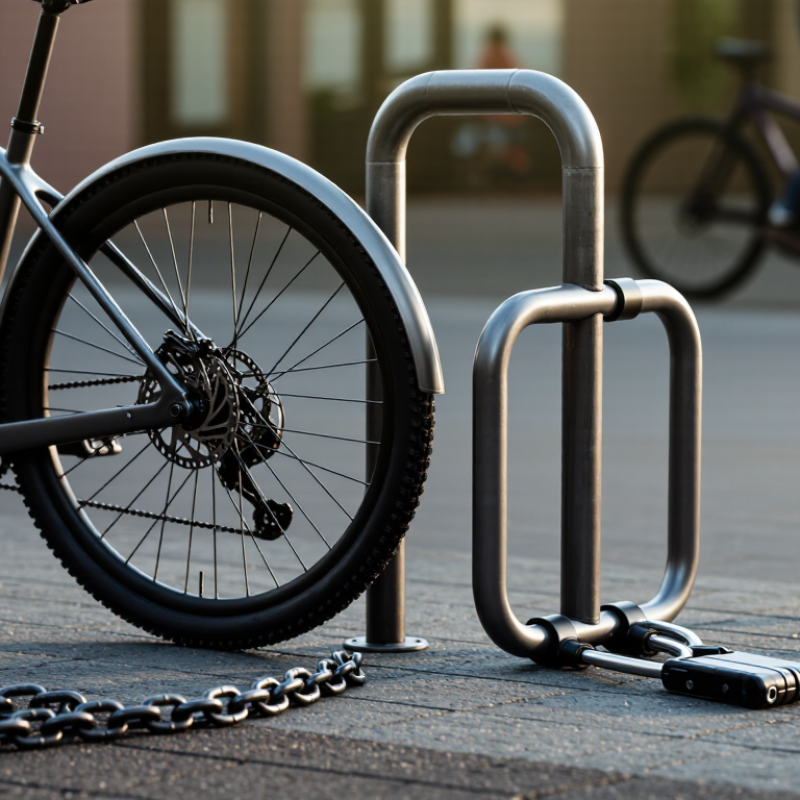
A bike’s theft risk depends on where it waits, for how long, and how visible it is. Start with your routine: note whether you park outside a shop, beside a busy station, or overnight near home. A quiet corner with little foot traffic may feel sheltered, but it can also leave a thief unnoticed. Check the rack, too. A sturdy lock cannot make a weak or movable post secure. That detail is easy to miss.
Think about the actual parking conditions, not just your neighborhood’s reputation. Is the rack fixed, well lit, and close to regular activity? Will rain or crowded sidewalks push you to leave the bike farther away? These small changes can affect which lock is practical to carry and use each day. A heavier lock may offer more resistance, but only if you bring it along and secure the frame to a fixed object. Be honest about your habits. Plans change.
Tips: Before choosing a lock, inspect your usual parking spot at the times you use it. Look for a fixed rack and a clear route to secure both the frame and a wheel. If you often park in varied places, favor a setup you can use consistently.
Evaluate Security Ratings, Materials, and Locking Mechanisms
A security rating gives a useful comparison, but it is not a promise that a lock cannot be defeated. Check who tested it, what attack methods were assessed, and whether the rating applies to the whole lock or only one component. Check the test scope. A thick-looking shackle may still be vulnerable at its body or locking point, so examine the complete design.
Material matters, too. Hardened steel generally resists cutting better than softer metals, while a protective coating can reduce scratches and corrosion. Look for sturdy joints, a solid crossbar, and a keyway cover that moves smoothly. No lock is perfect. Ratings also cannot predict every street condition, and I would not choose by score alone.
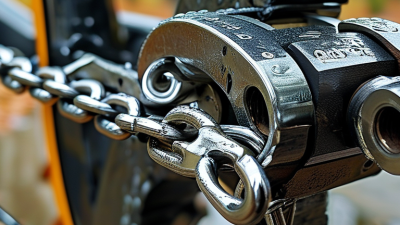
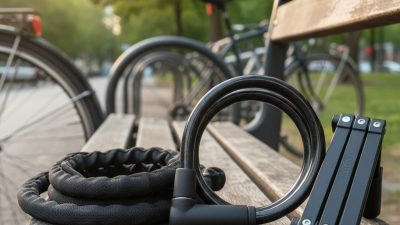
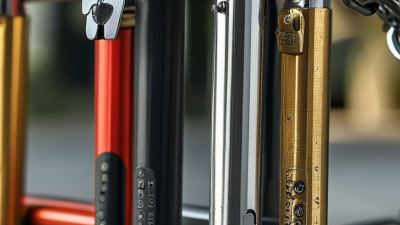
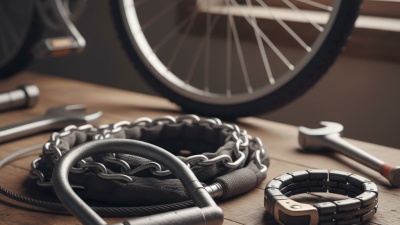
The locking mechanism should suit where and how you park. A U-lock can secure a frame to a fixed rack, but its shape may not fit every post. A chain offers more reach and can wrap around awkward objects, though its weight is noticeable in a backpack. Folding locks balance flexibility and portability, but inspect their joints carefully. Cable locks are convenient for wheels or accessories, not ideal as the only protection for a valuable bike. Test the key or combination before buying, and check that the chosen lock can secure the frame and a wheel without leaving much room around it.
How to Choose the Best Bike Cycle Lock?
Typical relative resistance by lock type and construction
Hardened-steel U-locks and chains generally offer stronger resistance than thin cable locks. Scores are a qualitative guide, not standardized test results: actual security depends on steel thickness, heat treatment, lock mechanism, and product-specific independent ratings. Match the lock to your parking risk, and secure the frame and a wheel to a fixed object.
Choose a Lock That Fits Your Bike and Everyday Needs
Choose a lock that suits your bike’s frame and the places you regularly park. A compact U-lock may work well beside a crowded office rack, but its opening might not fit around a thick post and your frame. Measure the distance between the frame and your usual parking fixture before buying. Check that the lock can secure the frame, not just a removable wheel. A cable can help reach an awkward wheel, though it should not be treated as equally strong protection.
Think about carrying the lock every day. A heavy model may feel reassuring at home but become a nuisance on a long ride. Check whether it fits inside your bag or attaches firmly to the bike without rattling. Small details matter. Key access, a combination dial you can use with cold fingers, and a cover that keeps grit away can shape daily convenience. These features are easy to overlook.
Match your choice to your routine, not an imagined worst-case scenario. A short stop outside a busy shop differs from leaving a bike for hours in a quiet, exposed location. Secure the frame to a fixed rack, and use any secondary cable for a wheel if needed. It is tempting to focus only on thickness; I’d reconsider that if the lock is too awkward to carry or too short for your parking spots. No lock removes risk, and practical fit can make consistent use more likely.
Check Portability, Ease of Use, and Long-Term Maintenance
A lock that stays at home offers no protection on the ride. Before buying, carry it on your usual route for a few minutes. Notice whether it rattles, presses into your back, or crowds your bag. A compact folding lock may fit neatly on a frame mount, while a heavier rigid lock can feel awkward on hills. There is a trade-off. A lighter lock is easier to bring, but may offer less resistance to cutting or leverage. Check the lock’s construction and security rating, then choose a weight you will actually carry.
Ease of use matters when you are standing in the rain with cold fingers. Try the key or combination, and see whether the locking parts line up without forcing them. Short parking rails can make some locks difficult to position, so test the reach against the places you use most. Maintenance is easy to overlook. Dust and road grit can collect around the keyway or moving joints; wipe them clean and dry the lock after wet rides. Use only lubricant recommended by its maker, since the wrong product may attract more dirt. Check the mount, straps, and locking mechanism every so often. A small rattle may seem harmless, but it can mean something has loosened. I would not wait for a jam to find out.