2026 Best Bike Cycle Lock for Global Buyers?
Choosing the 2026 Best Bike Cycle Lock for Global Buyers requires more than comparing prices. Security depends on design, materials, locking habits, and local riding conditions. A commuter in Amsterdam may need a different solution from a traveler in Bangkok or a delivery rider in Toronto.
Veteran bicycle mechanic and technical author Sheldon Brown wrote, “The best lock is the one you use.” That simple statement remains practical. A heavy lock left at home offers no protection. A compact Bike Cycle Lock carried every day may provide better real-world security. However, convenience should not hide weaknesses.
This guide examines hardened steel chains, U-locks, folding systems, and advanced cable designs. It considers resistance against cutting, leverage, picking, corrosion, and repeated outdoor use. We will also examine key quality, mounting brackets, replacement support, warranty terms, and compatibility with different bicycle frames. Small details matter.
Global buyers should check independent testing, product specifications, and seller reliability. Marketing language can sound impressive but remain vague. Some locks feel strong in the hand yet use vulnerable mechanisms. That deserves careful reflection.
Weather creates another challenge. Salt air, heavy rain, dust, and winter grit can affect lock performance. A lock suitable for dry indoor storage may struggle beside a coastal train station. The strongest choice is not always the heaviest one. It must match the bicycle, parking environment, travel routine, and owner’s willingness to use it consistently. This review aims to offer practical, evidence-based guidance without pretending that any Bike Cycle Lock is completely theft-proof.
Types of Bike Locks and How Their Security Levels Differ
2026 Best Bike Cycle Lock for Global Buyers?
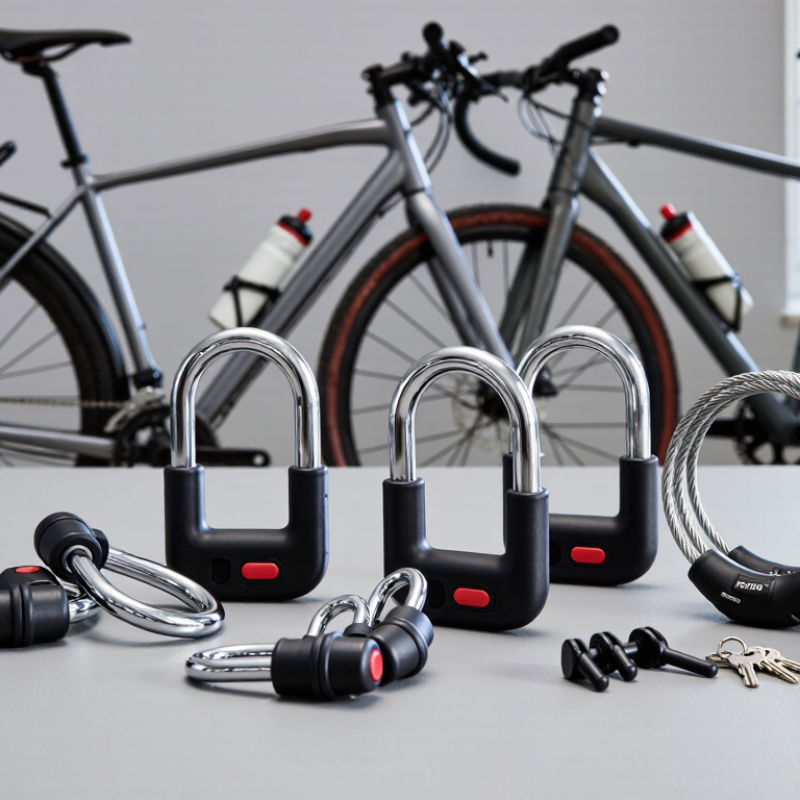
Cable locks are light, flexible, and easy to carry. However, thin cables resist casual theft more than determined attacks. Use them for brief stops in visible places. Not overnight security.
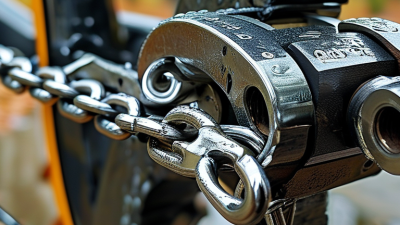
Chain locks provide stronger protection when made from hardened steel. Their weight increases with thickness, but so does cutting resistance. A quality padlock matters too. A weak locking body can defeat a strong chain.
U-locks usually offer excellent security because their rigid shape leaves less room for leverage tools. Size matters. A compact shackle reduces gaps around the frame and bicycle rack. Yet, an overly small lock may not reach suitable parking points.
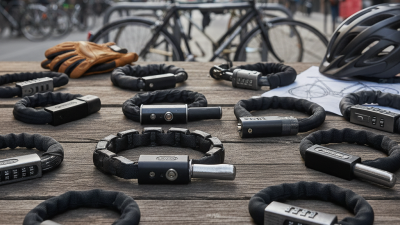
Folding locks balance portability and protection. Their joints create potential weak points, so inspect the hinge design and locking mechanism carefully. Disc-style locks can secure wheels, but they may not stop someone from carrying the bicycle away.
Keyed locks often resist simple guessing, while combination locks remove the need for keys. Neither type is automatically safer. Security depends on construction, lock cylinder quality, and daily use.
For global buyers, compare independent security ratings rather than relying on sales language. Certification methods differ across regions. Check the actual test standard. Also examine corrosion resistance for coastal or rainy climates. Dust can affect moving parts.
My practical preference is a strong U-lock paired with a secondary cable. It is not perfect. Sometimes, carrying two locks becomes inconvenient, and riders choose a weaker option. That compromise deserves honest consideration. Secure the frame and both wheels to a fixed, approved object, preferably in a busy, well-lit area.
Key Factors for Comparing Bike Locks in 2026
2026 Best Bike Cycle Lock for Global Buyers?
Key Factors for Comparing Bike Locks in 2026
Bike theft remains a practical risk, not a rare inconvenience. Project 529’s bike-theft reporting estimates millions of bicycles disappear annually across North America. The figure is useful, but reporting quality varies between cities. Buyers should compare protection, not marketing claims. Hardened steel thickness matters, yet lock design matters more. A compact lock may resist leverage better than a larger, poorly engineered model.
Independent certification provides stronger evidence. Look for testing against recognised standards, such as Sold Secure ratings or European security requirements. Check the tested attack tools, cutting time, and mounting conditions. A high rating does not guarantee safety everywhere. It only shows performance under defined tests. The 2024 FBI Crime Data Explorer also shows why local conditions matter: property-crime patterns differ considerably across regions. A lock for a bright office district may fail beside a quiet rail station.
Tips: Measure the lock around the frame and fixed object. Leave minimal empty space. Choose a corrosion-resistant coating for wet climates. Check cylinder protection and key control. For electric bicycles, consider weight, battery access, and frame clearance. I prefer two different lock types in high-risk areas, though carrying extra weight becomes annoying quickly. That trade-off deserves honest consideration. Mobile users should also record the frame number, photographs, and purchase documents before daily travel.
2026 Best Bike Cycle Lock for Global Buyers
Comparing common lock categories by typical retail price, weight, and security level helps buyers balance protection, portability, and budget. The figures represent typical global market ranges and category-level performance patterns, not any specific brand.
U-locks and heavy chains generally provide the strongest resistance against cutting tools, while cable locks are lighter and more affordable but offer lower protection. Folding locks provide a practical compromise for commuters who need moderate security and easier carrying.
Best Bike Lock Choices for Different Riding Environments
2026 Best Bike Cycle Lock for Global Buyers?
Best Bike Lock Choices for Different Riding Environments
Lock choice should follow the riding environment, not only the bicycle price. In city centers, use a hardened U-lock around the frame and a fixed object. The narrow opening leaves less room for cutting tools. Add a secondary cable for the front wheel, but treat it as a delay, not full protection.
The UK Office for National Statistics, in its Crime in England and Wales report for the year ending March 2024, warns that police-recorded theft figures do not represent every incident. Underreporting matters.
For campus parking or short commuting, a compact folding lock offers easier carrying and better frame coverage. Look for independent security testing and corrosion resistance.
In coastal areas, stainless or coated components deserve attention. They still need cleaning. For rural routes, a lightweight chain lock can suit brief stops, especially when no rigid object is available. It should not replace secure parking.
E-bikes need more caution.
CONEBI’s European Bicycle Industry and Market Profile 2024 recorded about 5.1 million e-bike sales in Europe during 2023. Their greater weight and value justify a heavier lock, even on familiar streets.
At home, combine a ground anchor with a certified chain. I once chose portability over security and regretted it after a crowded café stop. Convenience is useful, but it can quietly become the weakest decision.
Global Compatibility, Standards, and Buying Considerations
A strong bicycle lock for global buyers must fit more than the frame. It should suit local weather, transport habits, and security expectations. Measure the frame, wheel, and fixed parking object before choosing a shackle length. A compact lock can resist leverage better, but it may not reach a thick public rack. Fit matters.
Check whether the lock follows a recognized cycle-lock standard, such as EN 15496, or carries an independently verified security rating. Standards differ by region, and some insurance policies require specific certification levels. Do not trust a large rating number without reading the test method. A published certificate, testing body, and production date provide stronger evidence than advertising language.
Global compatibility also includes the key system, mounting hardware, and climate protection. A sealed cylinder helps in rain, dust, and winter salt, while a replaceable key service may be unavailable in another country. Confirm the seller’s support area before buying. Some locks include metric bolts or mounts that fit poorly on unusual frames. Weather changes everything.
From practical use, I prefer carrying a secondary cable only for accessories, not as the main security device. Record the key number and keep a spare separately. I once chose a lock that was secure but too heavy for daily commuting, and it stayed at home. That mistake still matters. The best purchase balances tested resistance, usable size, transport weight, and local requirements.
How to Use, Maintain, and Replace a Bike Lock Properly
A reliable bike lock works best when used consistently, not only when the street feels unsafe. Pass the locking part through the frame and a wheel, then secure it to a fixed, solid object. Do not lock only the front wheel. Leave little space inside the lock, because extra room can make movement easier. Check that the locking mechanism has fully closed. Keep it dry.
From my own routine, a thirty-second inspection prevents many failures. Wipe rain, mud, and road salt from the lock after riding, especially near the keyway or combination wheels. Use only the lubricant recommended in the care instructions. Too much oil can attract grit. Turn the key gently. Do not force it. For combination locks, keep the numbers aligned and avoid changing them beside strangers. A small habit helps: test the lock before leaving home.
Replace a bike lock when the shackle shows deep cuts, the casing cracks, or the mechanism sticks repeatedly. Rust on the surface may be manageable, but weakened metal deserves caution. If a key is lost, use the product’s authorized support route or a qualified local service. Do not rely on improvised opening methods. I once ignored a stiff cylinder and regretted it during a rainy commute. That mistake taught me to replace questionable equipment before a long trip. Keep purchase records and check replacement compatibility, particularly when buying across countries.