How to Choose the Best Lock Chain Bike for Security?
Choosing the right Lock Chain Bike is crucial for every cyclist concerned about security. The right lock can deter thieves and protect your investment. As bike theft rates rise, selecting a robust locking solution becomes necessary.
When assessing Lock Chain Bikes, consider the material and design. A chain lock made of hardened steel offers better resistance against cutting tools. The length of the chain also matters; longer chains can secure your bike to more fixtures. Take a moment to think about usability. A complicated lock can lead to frustration when you are in a hurry.
Reflect on your daily cycling habits. If you regularly park in high-risk areas, a high-security lock chain is essential. However, overconfidence in your lock can lead to neglecting other security measures, such as parking in well-lit areas. A balance of strong security and practicality is key to effective bike protection. Every choice you make regarding a Lock Chain Bike contributes to your overall security strategy.
Understanding Different Types of Lock Chain Bikes for Security Needs
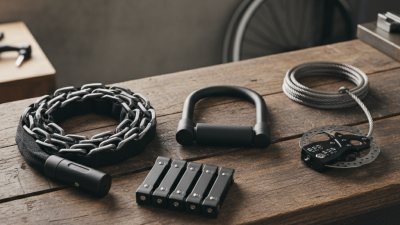
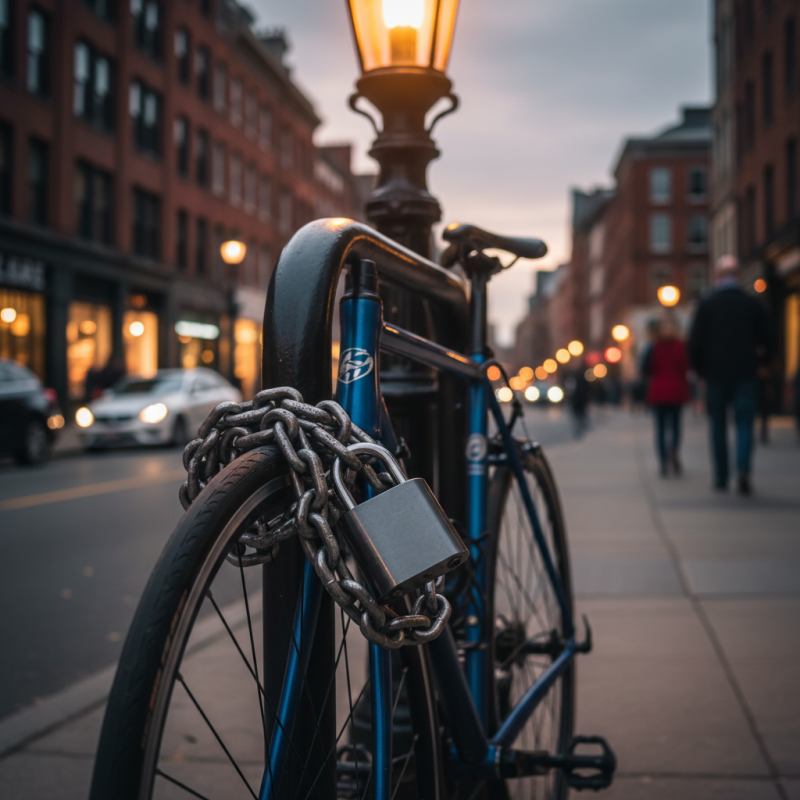
When selecting a lock chain bike for security, it’s essential to understand the different types. A heavy-duty chain can deter potential thieves. Look for chains made of hardened steel. They are more resistant to cutting. A longer chain allows more flexibility in securing your bike. However, it can be cumbersome to carry.
Consider your environment when choosing a lock chain. In high-crime areas, opt for a thicker chain. Thicker chains are harder to cut. However, they can be heavier. Sometimes, lightweight options are more practical for daily use. Reflect on what you prioritize: weight, security, or convenience.
Always assess how you store your bike. A quality lock is only as strong as its weakest link. The locking mechanism should also be robust. Some chains come with additional features, like anti-pick locks. Evaluate these details carefully. They can enhance overall security. Choosing the right chain requires thought. Not all solutions fit every situation.
Analyzing Material Strength: Steel vs. Carbon Fiber Chains
When it comes to securing your bike, choosing the right chain lock is crucial. Material strength plays a key role in this decision. Steel chains are popular for their durability. They are resistant to cutting and provide a high level of security. However, not all steel chains are created equal. The thickness and hardness of the steel can vary significantly. A thicker chain offers more protection, but it may also add weight and bulk to your gear.
On the other hand, carbon fiber chains are emerging as a lightweight alternative. They offer impressive strength-to-weight ratios, making them easier to carry while still providing protection. Yet, carbon fiber can be more expensive and less common than steel. It's essential to consider your budget and specific needs. If you regularly lock your bike in high-risk areas, a robust steel chain might be worth the investment. However, if you prioritize portability, carbon fiber could be a preferred option.
Ultimately, the choice between steel and carbon fiber chains requires careful consideration of your security needs and personal preferences. It's important to reflect on past experiences with bike locks and evaluate whether lightweight convenience outweighs potential security flaws. Each material has its strengths and weaknesses. An informed decision can make all the difference in protecting your bike.
How to Choose the Best Lock Chain Bike for Security? - Analyzing Material Strength: Steel vs. Carbon Fiber Chains
| Feature |
Steel Chains |
Carbon Fiber Chains |
| Weight |
Heavy |
Lightweight |
| Durability |
High |
Medium |
| Cut Resistance |
Excellent |
Good |
| Weather Resistance |
Rust prone |
Water resistant |
| Price Range |
$20 - $100 |
$50 - $200 |
| Flexibility |
Limited |
High |
Assessing Locking Mechanisms: Keyed vs. Combination Locks
When choosing a bike lock, one crucial decision is between keyed and combination locks. Keyed locks generally offer a higher level of security. They use unique keys that are difficult to replicate. This added complexity can deter thieves. However, losing the key can pose a significant problem. It might lead to frustration and potential costs for replacement.
Combination locks, on the other hand, rely on a numerical code. They eliminate the need for a physical key, which is convenient. You only need to remember the combination. Yet, this convenience comes with risks. Many users forget their combinations, leaving them locked out. In addition, some combination locks can be relatively easy to crack if they are low-quality.
For many cyclists, combining both mechanisms can enhance security. A keyed lock paired with a combination lock provides flexibility and extra protection. It’s essential to assess the type of locking mechanism and its vulnerabilities. The choice ultimately depends on how you use your bike. Think about where you park it and your daily habits. Reflect on these factors to make a better-informed decision.
Evaluating Portability and Weight for Everyday Use
When choosing a lock chain bike for security, portability and weight are crucial factors. A heavy lock can deter frequent use. If the chain is cumbersome, you may leave it at home, risking your bike. A lightweight option, while still secure, ensures you take it everywhere. Look for chains that balance strength and weight.
Consider how you transport the lock. A compact design easily fits in a bag or can attach to your bike frame. You might enjoy riding more when you’re not burdened by an oversized lock. Think about your daily routine. Will you use it often or only occasionally? Convenience plays a key role.
Sometimes, lightweight locks can compromise security. It's a trade-off that can be hard to navigate. Pay attention to the material and locking mechanism. Chains made of high-quality steel can offer security without excessive weight. Reflect on your specific needs, especially if you ride in high-risk areas. Finding the right balance can be challenging but is necessary for protecting your bike.
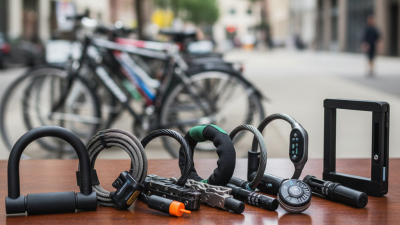
Comparison of Lock Chain Bike Security Features
Researching Industry Theft Statistics to Inform Your Choice
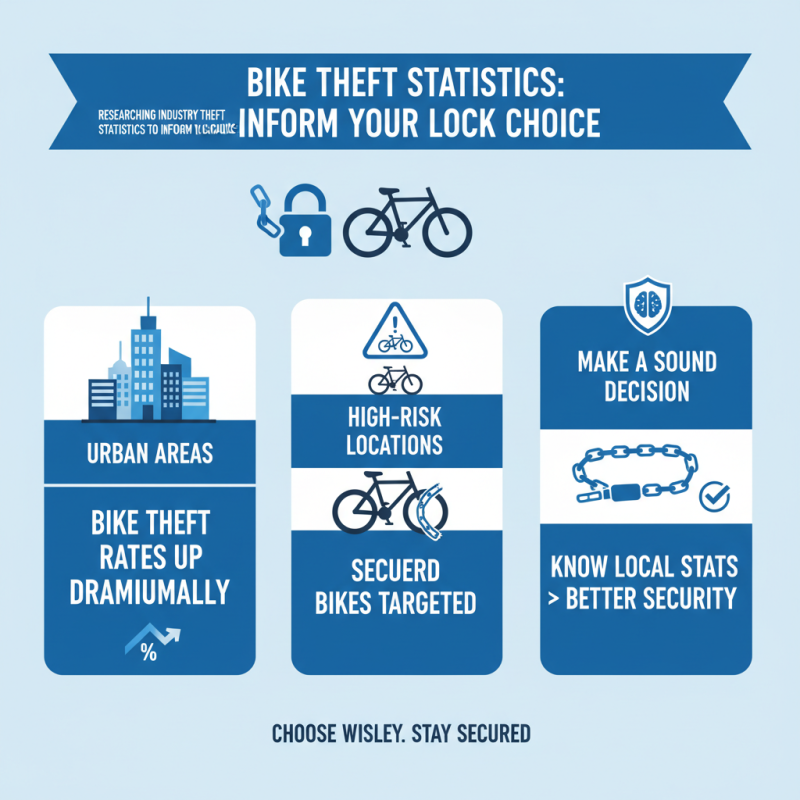
When choosing a lock chain bike, understanding theft statistics is crucial for making a sound decision. Research shows that bike theft rates have dramatically increased in urban areas. In high-risk locations, thieves often target improperly secured bikes. Therefore, knowing the local theft statistics can guide your choice of a security system.
**Tips:** Always consider using a lock that meets a high-security standard. A robust lock can deter thieves significantly. Also, observe the locations where you park your bike. Some areas may have higher theft rates, which can influence your lock choice.
Many users feel safe with basic locks but overlook their vulnerabilities. Even a good lock can be defeated if not used correctly. Align your lock chain strategy with your parking habits. Find a safe spot that is well-lit and monitored. This small adjustment can enhance your bike’s security immensely.