China Top 10 Bike Lock Manufacturers for Global Buyers
The global bicycle industry is expanding, and that growth is increasing demand for dependable security products. Grand View Research valued the global bicycle market at approximately USD 76.7 billion in 2022. It also projects continued growth through 2030. More bicycles mean more locks, but not every lock offers equal protection.
Security expectations are changing. The 2023 Global Bicycle Cities Index from Luko evaluated cycling conditions across major cities, highlighting differences in infrastructure, safety, and daily bicycle use. These differences matter to global buyers. A lock suitable for a quiet suburban route may fail under heavy rain, crowded parking, or repeated commercial use. Material quality, cylinder design, corrosion resistance, mounting systems, and after-sales support all deserve close inspection.
This guide examines China’s top 10 bike lock manufacturers for international buyers. It focuses on production experience, certification practices, customization ability, export service, and product consistency. The term “Bike Bike Lock” may appear repetitive, but it reflects a real search phrase used by buyers comparing suppliers online. Search visibility alone is not proof of manufacturing strength.
No ranking is perfect. That deserves attention. Factory scale can look impressive in photographs, while quality control remains unclear. Buyers should request test reports, sample units, packaging details, and traceable company information before placing large orders. Independent standards, including ISO quality systems and relevant regional product requirements, can strengthen confidence, but certification claims still need verification.
These manufacturers represent different strengths, from compact cable locks to hardened chain and folding designs. The right choice depends on theft risk, target price, climate, sales channel, and intended customer. Careful comparison creates safer products and more reliable long-term partnerships.
China’s Bike Lock Manufacturing Landscape for Global Buyers
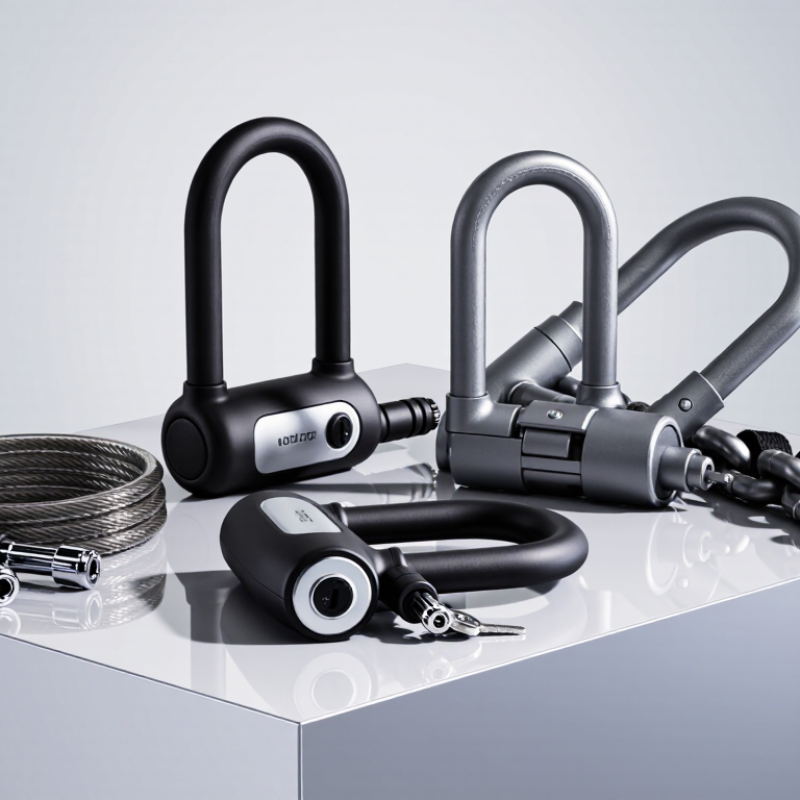
China’s bike lock manufacturing landscape is broad, export-oriented, and highly flexible. Global buyers can find factories producing cable locks, folding locks, chain locks, and hardened steel U-locks. Many suppliers support OEM and ODM projects, from simple packaging changes to custom housings and keys.
That matters.
A useful top-ten review should examine more than factory size. Buyers should check material traceability, machining accuracy, corrosion resistance, and batch consistency. Experienced sourcing teams often request production samples, test reports, inspection records, and videos of assembly lines.
A lock may look strong but fail when its cylinder jams after repeated exposure to rain. Small details matter. Ask about shackle hardness, coating thickness, key duplication controls, and replacement-part availability. Clear answers usually reveal process maturity.
Factory audits can also cover worker training, quality checkpoints, packaging strength, and export documentation. Independent pre-shipment inspection adds another layer of reliability. However, test results need careful reading. Some reports apply only to one sample, not every production batch.
No supplier is perfect, and buyers should leave room for corrective action. I would compare at least three quotations before choosing a partner. The lowest price may hide thinner steel, weaker springs, or inconsistent plating. Long-term cooperation depends on honest communication, stable lead times, and measurable quality requirements.
Key Criteria for Evaluating Chinese Bike Lock Manufacturers
When comparing Chinese bike lock manufacturers, global buyers should look beyond catalog photos and low quotations. A reliable supplier should explain steel grade, shackle diameter, cylinder design, and corrosion protection clearly. Ask for test records, not promises. Test the basics.
Request samples from different production batches. Check whether the key turns smoothly after dust exposure and repeated locking cycles. Measure the shackle with a caliper. Inspect welds, coating thickness, rubber edges, and spring return. A lock may look strong but feel loose at the hinge. That detail matters.
Factory capability also requires practical evidence. Review quality-control procedures, incoming material checks, final inspections, and defect-handling records. Confirm production capacity during peak seasons, packaging standards, and realistic lead times. Independent laboratory reports can support claims about corrosion, tensile strength, and cycle performance, but documents should match the exact model. Some suppliers present general certificates, which can mislead buyers. No checklist is perfect. On-site audits or live video inspections can reveal storage problems, manual assembly differences, and inconsistent labeling. Communication quality matters too. Technical questions should receive specific answers, drawings, tolerances, and corrective actions. A manufacturer that admits a limitation may be more dependable than one offering perfect answers. Evaluate samples, records, factory behavior, and after-sales responsibility together.
Top 10 China-Based Bike Lock Manufacturers and Their Strengths
China’s top ten bike lock manufacturers serve different purchasing needs. One specializes in hardened steel U-locks for urban commuters. Another focuses on lightweight folding locks for everyday travel. Chain-lock makers offer flexible protection around thick street posts and railings.
Several factories produce weather-resistant cable locks for schools, rental fleets, and shared storage areas. Some manufacturers develop combination locks with resettable dials and clear markings. Others build smart locking systems with rechargeable batteries and app functions. These suppliers often provide OEM development, color matching, custom packaging, and multilingual manuals. A few stand out for corrosion testing, salt-spray checks, and repeated locking-cycle tests. Their strongest advantage is usually production flexibility, not a single product feature. I have found that small design changes can affect shipping space and return rates. That detail is easy to underestimate.
Tips: Ask for material certificates, test records, sample keys, and carton measurements before placing a large order. Check shackle thickness, lock weight, cylinder performance, and coating quality. Request samples from different production batches when possible. A factory may pass one inspection yet miss consistency later. Confirm minimum order quantities, lead times, spare-part support, and packaging damage controls. Also review the supplier’s export experience and factory audit records. Do not judge reliability from polished photographs alone. A practical video call can reveal assembly flow, storage conditions, and quality checkpoints.
China-Based Bike Lock Manufacturers: Product Strengths by Lock Type
This chart compares the commonly recognized strengths of major bicycle lock formats supplied by China-based manufacturers. Scores use a 0–5 qualitative scale based on standard construction characteristics: higher values indicate stronger suitability for that attribute. The comparison is product-type based and does not represent individual company or brand claims.
U-locks generally provide strong resistance to cutting and leverage attacks; folding and chain locks balance security with flexibility; cable locks prioritize portability and convenience.
Product Standards, Customization, and Quality Control
China Top 10 Bike Lock Manufacturers for Global Buyers
Product standards should guide every bike lock purchase. Reliable manufacturers test strength, corrosion resistance, key operation, and locking performance. Buyers should request test records linked to specific production batches. Standards may differ by destination market, so one certificate cannot prove universal compliance. Verify the applicable requirements before placing a large order.
Customization often covers cable length, shackle size, cylinder type, coating, packaging, and instruction labels. Good suppliers confirm drawings and samples before mass production. A small change in steel thickness can affect security, weight, and shipping cost. I prefer written specifications with tolerances, not attractive samples alone. Details matter.
Quality control should begin with incoming steel, plastic, springs, and cylinders. During production, inspectors can check dimensions, welding points, coating coverage, and key alignment. Final inspections should include functional tests, appearance checks, carton counts, and barcode accuracy. Retained samples and batch records improve traceability. Still, inspections are not perfect. A polished sample may hide inconsistent assembly elsewhere. Buyers should use independent testing for higher-risk orders and review corrective actions carefully. Five percent defect reduction is progress, not proof of excellence.