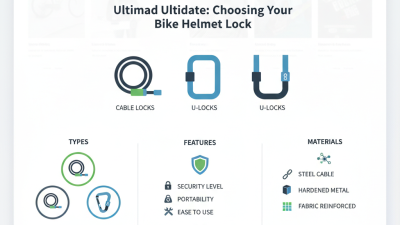
What is the Best Lock for the Bike to Prevent Theft?
When it comes to bike security, choosing the right lock for the bike is crucial. Many cyclists overlook this important aspect, believing that any lock will suffice. However, the reality is that certain locks offer far greater protection against theft. You might think a simple cable lock is enough, but in most cases, it leaves your bike vulnerable.
A good lock for the bike should be robust, made from high-quality materials, and designed to resist cutting and tampering. U-locks and heavy-duty chains tend to be more effective than their lighter counterparts. Yet, riders often find themselves wrestling with the balance between weight and security. This choice is not always straightforward.
Additionally, even the best lock can be compromised if it is not used correctly. Many cyclists forget to secure both the frame and the wheels, making easy targets for thieves. Selecting the right lock for the bike involves understanding its strengths and weaknesses. By being aware of these factors, you can make an informed decision and ensure your bike remains secure.
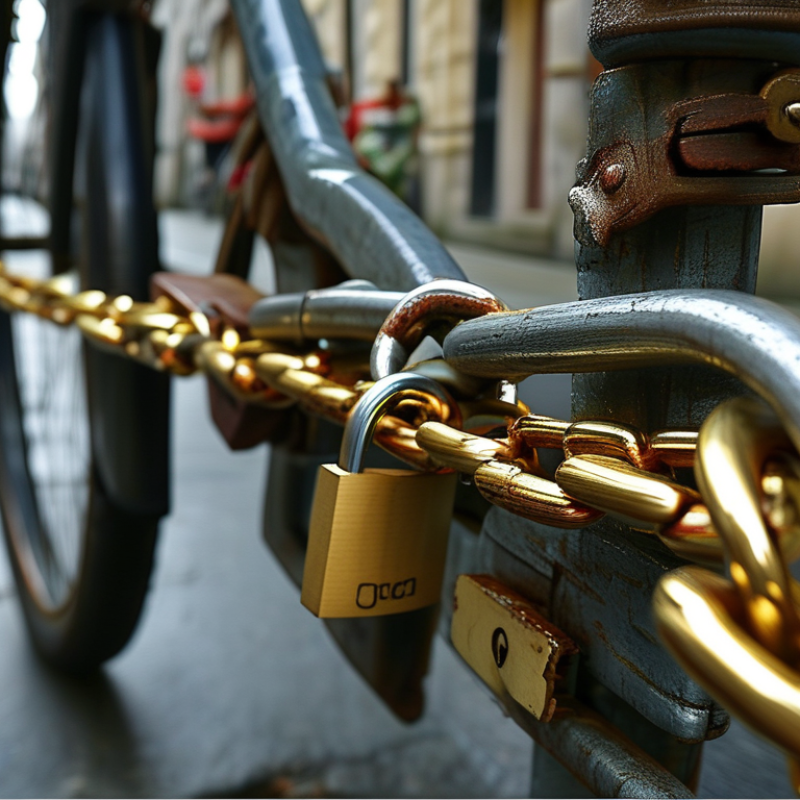
Types of Bike Locks: Exploring Your Options for Theft Prevention
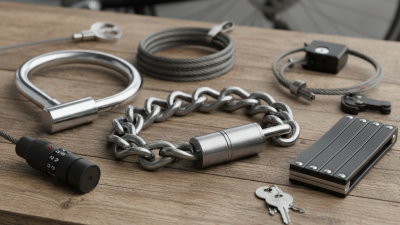
When it comes to bike security, choosing the right lock is crucial. There are several types of bike locks available, each varying in effectiveness. U-locks are sturdy and resistant to cutting. They offer good protection, especially when used correctly. A U-lock should secure both the frame and a wheel to an immovable object. However, they can be cumbersome to carry around.
Chain locks provide flexibility. They can weave through multiple parts of your bike, making them versatile. However, the thickness of the chain matters. Thinner chains are easier to cut. So, opting for a thicker, heavier chain is wise, even if it adds weight to your ride. Folding locks are compact, making them easier to transport. But they may not be as secure as U-locks or thicker chains.
Cable locks are often seen as least effective. They are lightweight and easy to use, but they can be easily cut. Many cyclists find themselves disappointed after relying solely on a cable lock. It’s clear that, while convenience is appealing, real security often requires a trade-off. Selecting the right lock should be based on where and how you park your bike regularly.
Factors to Consider When Choosing a Bike Lock for Security
When selecting a bike lock for security, several important factors come into play. The type of lock is crucial. U-locks are often regarded as robust and resistant to cutting. Chains offer flexibility in locking but can be heavy. Cable locks might be easier to carry, yet they are generally less secure. Consider your environment too. If you park in an area with high theft rates, a more durable lock is necessary.
The locking mechanism is another key aspect. Look for locks with advanced bidding or disc detainer systems. They are harder to pick and more reliable against tampering. Also, consider the material. Steel locks provide better security but can be cumbersome. Lastly, weight and portability matter. A lock that’s too heavy may deter you from carrying it.
Reflect on your habits. Are you often in crowded places, or do you park your bike at home? Different scenarios require different lock types. Always think about your bike’s value and the potential loss. Remember, no lock is entirely theft-proof, but making informed choices enhances your bike's security.
Bike Lock Security Comparison
Effectiveness of Different Lock Materials Against Theft
When considering the best lock for your bike, the material used is crucial. Different materials offer varying levels of protection against theft. Common bike lock materials include hardened steel, zinc alloy, and plastic. Hardened steel locks tend to resist cutting and picking better than their softer counterparts. However, even the strongest locks have vulnerabilities.
Zinc alloy locks can provide decent security but may be easily compromised with the right tools. Thieves often carry simple devices that can exploit weaknesses in weaker materials. Plastic locks, though lightweight and convenient, offer minimal protection. The use of cables made from braided steel is another option, but these can also be cut with sufficient force.
In reality, no lock can guarantee complete security. Most thefts occur in familiar areas, where thieves observe routines. The environment surrounding the lock-up site also plays a role. A lock secured in a well-lit public space deters thieves more effectively than one hidden in a dark corner. Reflecting on these factors can guide cyclists in choosing the right lock that balances weight, convenience, and security.
Best Practices for Locking Your Bike Securely
Securing your bike while parked is crucial in preventing theft. According to the National Bicycle Dealers Association, nearly 1.5 million bikes are stolen each year in the U.S. alone. To reduce the risk, it’s essential to invest time in the right locking techniques. This can significantly decrease the chances of theft.
Always use two locks of different types. A U-lock is a sturdy option, while a chain lock can add versatility. Position the lock around the frame and the rear wheel, securing it to a fixed object. This method makes it harder for thieves to remove your bike. Ensure the lock is snug against your bike to prevent leverage attacks. According to a report from the Bike Security Experts, 40% of stolen bikes were improperly locked. It highlights the importance of proper locking methods.
Park your bike in well-lit, busy areas. Thieves tend to avoid places with high foot traffic. Additionally, consider using visual deterrents, such as reflective tape or bright colors. These can signal to potential thieves that your bike is worth more than it seems. While these methods can reduce theft risks, no solution is foolproof. It’s essential to stay aware and constantly assess your locking practices for improvement.
Review of Top-Rated Bike Locks on the Market Today
When it comes to securing your bike, choosing the right lock is crucial. Several types exist, each offering different levels of protection. U-locks provide robust security with their hardened steel construction. They are difficult to cut and resist most theft attempts. However, their bulk can make them less convenient to carry. Cable locks, while lighter and more flexible, often lack the same strength. These locks can be easily cut with the right tools, making them a less reliable choice for long-term security.
Chain locks combine flexibility and strength. They offer a secure option that can wrap around various objects. Despite their advantages, they can be heavy and cumbersome to transport. Many cyclists overlook the importance of locking techniques. A poor lock placement can provide thieves with easy access. Always lock your bike in a visible area. This simple act can deter opportunistic thieves. Balance your need for convenience with the level of protection. Carefully consider your bike's value and your usage patterns when choosing a lock. The right choice is not always straightforward. It demands thought and a willingness to adapt.
What is the Best Lock for the Bike to Prevent Theft? - Review of Top-Rated Bike Locks on the Market Today
| Lock Type |
Security Rating |
Weight |
Price |
User Rating |
| U-Lock |
10/10 |
1.5 lbs |
$60 |
4.8/5 |
| Chain Lock |
9/10 |
3.2 lbs |
$45 |
4.5/5 |
| Folding Lock |
8/10 |
2.5 lbs |
$70 |
4.6/5 |
| Cable Lock |
5/10 |
1.0 lbs |
$20 |
4.0/5 |
| Integrated Lock |
7/10 |
1.8 lbs |
$50 |
4.3/5 |