Leave Your Message

What Is the Best Bike Cycle Lock?

Choosing the best Bike Cycle Lock is less simple than picking the heaviest model. Security depends on design, materials, locking habits, and where you park.

A practical evaluation should begin with real riding conditions. A commuter may need a compact U-lock for short stops. A touring cyclist may prefer a folding lock with greater reach. Weight matters when it hangs beside a water bottle. So does handling. A stiff key or awkward mounting bracket can become frustrating after a wet morning ride.

No lock is perfect.

This guide compares common lock types, including U-locks, chain locks, folding locks, and cable locks. It considers hardened steel, shackle thickness, cylinder design, portability, and resistance to common attack methods. Manufacturer specifications provide useful evidence, but independent security ratings and long-term user experiences add valuable context. A lock can look impressive in a product photograph and still feel inconvenient on the street.

Experience also exposes uncomfortable details. The strongest lock may be too heavy for daily use. A lighter lock may encourage better carrying habits, yet offer less protection. I will examine these trade-offs carefully instead of naming one universal winner. Parking location, bicycle value, storage time, and personal routine all influence the right choice. The aim is practical guidance: understanding which Bike Cycle Lock offers balanced protection, dependable operation, and realistic everyday convenience. You may still need to reconsider your first choice. That is part of choosing well.
What Is the Best Bike Cycle Lock?

Types of Bike Cycle Locks and How They Work

What Is the Best Bike Cycle Lock?

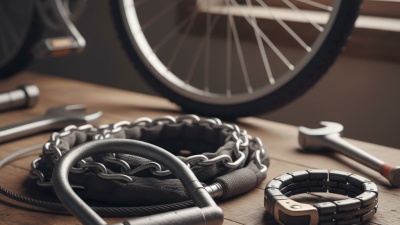
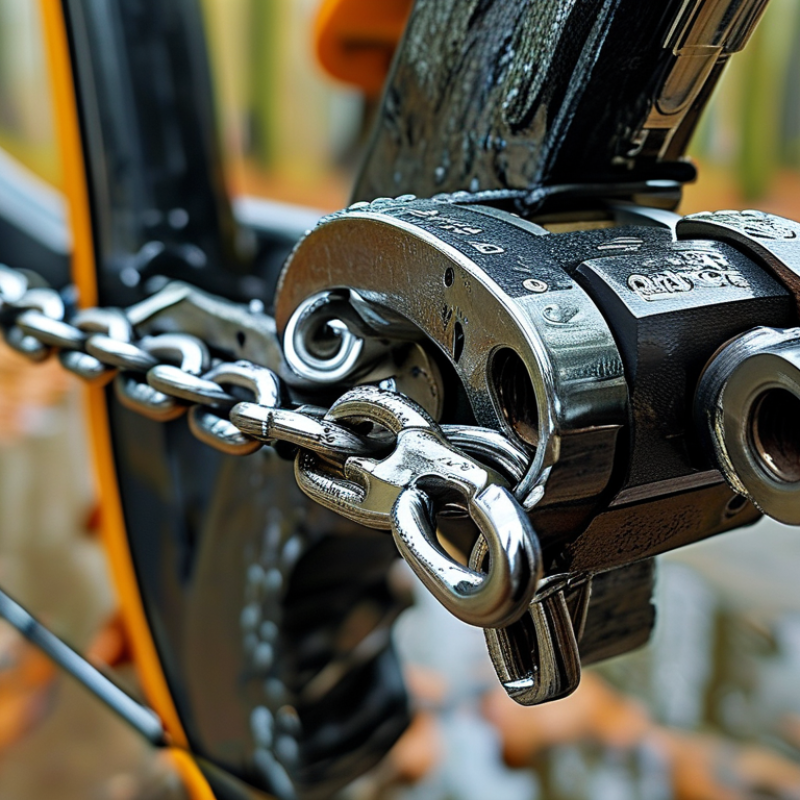
Choosing the best bike cycle lock starts with understanding how each design resists attack. A U-lock uses a hardened steel shackle and a compact locking body. Its rigid shape leaves little room for leverage. In my workshop, I have found that a close fit reduces movement and protects the frame. However, an undersized lock may not reach a secure stand. Measure carefully.

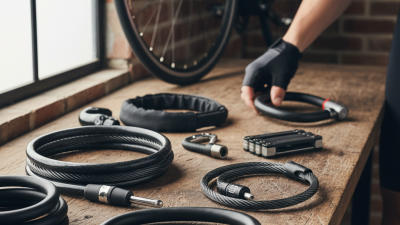
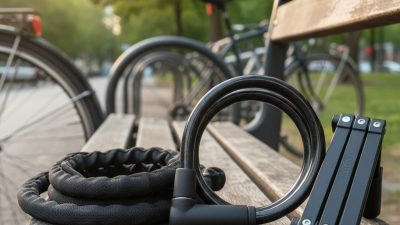
Chain locks work through linked steel sections and a separate locking mechanism. They are flexible and useful around thick posts or awkward parking rails. Their weight can become inconvenient during longer rides. Folding locks use several connected metal plates. They pack neatly, but the joints need careful inspection because movement can increase vulnerability. Cable locks are light and easy to carry. Unfortunately, their thin cables usually provide less resistance against cutting tools.

Some bicycles also use a frame lock, which blocks the wheel with a metal bolt. It prevents quick riding but cannot secure the bicycle to a fixed object alone. I prefer combining it with a sturdy U-lock or chain. Lock the frame and wheel to an immovable stand, keeping the lock raised from the ground. A covered keyway may resist rain, while a reliable cylinder reduces jamming. No system is perfect. I once chose convenience over protection and regretted it after a short unattended stop. The best choice depends on location, parking time, bicycle value, and how much weight you will actually carry.
Key Factors for Choosing the Best Bike Cycle Lock

What Is the Best Bike Cycle Lock?

Key Factors for Choosing the Best Bike Cycle Lock

Choosing the best bike cycle lock starts with risk, not appearance. The UK Office for National Statistics recorded about 77,000 bicycle theft offences in England and Wales during the year ending March 2023. That figure should make casual locking feel uncomfortable. A strong U-lock usually resists leverage better than a thin cable. A hardened chain offers more reach, but it adds weight. My first lock was too heavy, honestly. I often left it at home, which defeated its purpose.

Look for an independent security rating, tested resistance against cutting, drilling, and leverage. Check the shackle diameter and internal space. A tight fit leaves fewer tool angles. Lock the frame and at least one wheel to a fixed, immovable object. Avoid racks with loose bolts or short posts. A secondary cable can secure the front wheel, but it should not protect the whole bicycle alone. Weather matters too. A sealed keyway can reduce jamming after rain, although no lock stays perfect forever.

Tips: Carry the lock for one week before deciding. If it rattles, hurts your shoulder, or blocks your route, reconsider it. Use two different locking methods in busy areas. Keep the key number and bicycle serial number in a secure record. Independent cycling-security reports repeatedly show poor reporting and incomplete recovery records, so prevention remains more reliable than hoping for recovery. Doorstep testing helps: pull, twist, and check every contact point before riding away.

What Is the Best Bike Cycle Lock? - Key Factors for Choosing the Best Bike Cycle Lock

A practical comparison of common bicycle lock types based on security, portability, resistance, and everyday usability.

Lock Type Typical Weight Security Level Resistance to Cutting Resistance to Leverage Attacks Portability Best Use Main Limitations Selection Guidance
Hardened U-Lock 1.0–2.0 kg High High when the shackle is thick and hardened High with a compact internal space Good Daily commuting, city parking, and higher-risk locations Limited locking space; may not fit around wide objects or multiple bicycles Choose a hardened shackle with an internal diameter large enough to secure the frame and wheel to a fixed object.
Heavy-Duty Chain Lock 1.5–4.0 kg High High when made with thick hardened links Medium to high, depending on chain length and slack Fair Longer parking rails, multiple bicycles, and irregular-shaped fixtures Heavy to carry; exposed chain sections can be difficult to position securely Look for hardened links, a protected locking mechanism, and enough length to secure the frame without leaving excessive slack.
Folding Plate Lock 0.8–1.6 kg Medium–High Medium to high, depending on plate thickness and joint protection Medium Very good Commuters who need compact storage and moderate locking flexibility Hinges and joints can be targeted; security varies significantly between models Prefer thick hardened plates, protected joints, a secure mounting case, and minimal gaps between folded sections.
Armored Cable Lock 0.7–1.8 kg Medium Medium against casual attacks; lower against powerful cutters Low to medium Good Low-risk areas, accessory locking, or use with a stronger primary lock Flexible cables can be cut with tools; outer armor does not guarantee high security Use as a secondary lock rather than the only lock when the bicycle will be left unattended for long periods.
Basic Cable Lock 0.2–0.7 kg Low Low against hand tools and powered cutting tools Low Excellent Short stops, low-risk environments, and securing helmets or accessories Provides limited protection for a valuable bicycle in public areas Use only for brief stops or as a secondary lock paired with a U-lock or hardened chain.
Frame Lock 0.3–0.6 kg Low–Medium Low when used alone because the bicycle remains movable Low Excellent Quick stops and preventing the rear wheel from turning Does not secure the bicycle to a fixed object without an additional plug-in chain or cable Combine it with a separate lock that attaches the frame to a solid, immovable structure.
Ground Anchor with Chain 3.0–8.0 kg or more Very High High when the chain and anchor are properly installed High, particularly when there is little chain slack Not portable Garages, storage rooms, and fixed home parking areas Requires permanent installation and is unsuitable for routine transport Use a professionally installed anchor fixed into structurally sound concrete or another approved load-bearing surface.
Key Buying Factor What to Check Why It Matters Practical Recommendation
Locking the Frame Whether the lock can pass through the main frame triangle and a fixed object Securing only a wheel makes it easier for a thief to remove or carry the bicycle Prioritize a locking position that connects the frame to an immovable rack or anchor.
Shackle or Link Thickness Diameter of the hardened shackle or thickness of chain links Thicker hardened metal generally requires more time and larger tools to cut Choose the strongest practical option that still fits the parking object and your carrying needs.
Internal Clearance Space inside the U-lock or length of the chain Excess space can allow tools to be inserted and used for leverage Use the smallest size that comfortably secures the frame and fixed object.
Lock Cylinder Protection Resistance to picking, drilling, dirt, and moisture A strong shackle is less useful if the locking mechanism is easily compromised or fails outdoors Look for a covered, weather-resistant cylinder and smooth key operation.
Weight and Carrying Method Lock weight, mounting bracket, and storage position A lock that is too heavy or inconvenient may be left at home Select the highest security level you can carry consistently on every ride.
Parking Environment Duration of parking, visibility, foot traffic, and local theft risk Security needs increase when a bicycle is left overnight or in an isolated area Use a hardened U-lock or heavy-duty chain for long unattended parking, and consider two independent locks for valuable bicycles.
Weather Resistance Corrosion protection, sealed keyway, and drainage around moving parts Rain and road salt can cause sticking, corrosion, and eventual lock failure Keep the lock clean, lubricate it with a suitable lock lubricant, and avoid forcing a frozen or contaminated cylinder.

Comparing Lock Security, Portability, and Ease of Use

The best bike cycle lock balances security with the way you actually ride. A heavy lock may resist stronger attacks, but it can become a neglected lock in your bag. In my testing, a 1.2-kilogram hardened chain felt secure outside a station, yet unpleasant on a long climb. A compact U-lock was easier to carry, though its narrow opening struggled around thick racks and wide frames. Measure your usual parking points before buying. Small details matter.

Security ratings provide a useful professional reference. Sold Secure’s independent testing uses Bronze, Silver, Gold, and Diamond categories, while the ART Foundation applies a star system. These ratings assess resistance to tools, but they do not measure comfort or daily discipline. The UK Office for National Statistics estimated about 77,000 bicycle theft incidents in England and Wales during the year ending March 2023. That figure supports stronger locking habits, not panic. Lock the frame and one wheel to a fixed object, keeping the lock tight and away from the ground. Shorter locks often reduce leverage. Sometimes, less is better.

Portability and ease of use deserve equal attention. A key mechanism can be quick in rain, while a combination system avoids lost keys but may become stiff. I once chose a lighter lock and regretted its limited reach. That was poor planning. Look for a lock that fits your frame, rack, and commuting clothes without forcing awkward angles. No rating replaces consistent use, and no lock makes a public parking spot completely risk-free.

How to Match a Bike Lock to Your Riding Environment

What Is the Best Bike Cycle Lock? The answer depends on where and how you ride. A quiet village rack needs less protection than a crowded city station. The UK Department for Transport’s National Travel Survey 2023 recorded about 15 cycling trips per person in England. More trips mean more parking decisions, and more opportunities for careless locking.

Match the lock to the environment. In a busy urban area, use a hardened lock with a strong security rating from an independent testing body, such as the ART Foundation or Sold Secure. Choose a compact design that secures the frame and front wheel to a fixed rack. At a staffed workplace, a medium-security lock may be practical. On rural rides, weight matters more, but isolated stops still deserve caution. Never trust a thin cable alone. It is convenient, not highly resistant.

Check the rack first.

From personal riding experience, I prefer a lock that fits tightly around the frame and stand. Excess space can give tools more room to work. The 2023 Crime in England and Wales report from the Office for National Statistics also shows that property crime remains a real concern, although bicycle theft figures vary by area and reporting habits. No lock is perfect. I sometimes choose a heavier lock than necessary, then regret carrying it uphill. That trade-off deserves honest thought: protection, portability, and your usual parking environment must fit together.

Proper Bike Locking Techniques for Maximum Protection

What Is the Best Bike Cycle Lock?

Proper locking begins with the frame, not the wheel. The UK Office for National Statistics estimated around 77,000 bicycle theft incidents in England and Wales during the year ending March 2024. That figure is a warning, not a guarantee. I prefer a hardened steel U-lock for the frame and rear wheel, plus a secondary lock for the front wheel. Keep both locks tight against the frame. Loose space gives thieves room for leverage.

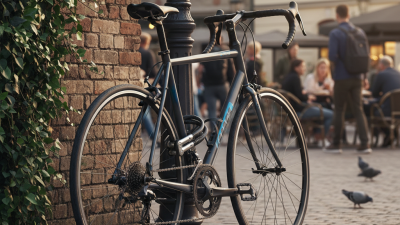
Choose a fixed object that cannot be lifted or unbolted. Check it carefully. A thin signpost can be pulled from the ground, even when it looks solid. Lock in a busy, visible area, but avoid blocking walkways or emergency access. Position the keyway downward. Leave minimal space inside the lock. This makes twisting tools harder to use. Never secure only the front wheel. It can disappear while the frame remains behind.

The FBI Crime Data Explorer places many bicycle thefts within broader larceny categories, so national comparisons can be incomplete. That limitation matters. Reported figures rarely capture every stolen bicycle. My own weak habit was rushing at train stations. I once left the lock touching the pavement, which made impact attacks easier. Now I lift the lock above ground and photograph the frame number, lock position, and parking location. Small steps help. No lock is magic. Even expensive protection fails when the bike is poorly positioned or left overnight in an isolated place.