Choosing a Bike Cycle Lock is not simply a matter of buying the thickest chain. Commuters, delivery riders, and touring cyclists face different risks. A lightweight folding lock may suit a quick café stop, while a hardened U-lock can be more practical beside a busy station. The right choice depends on where the bike is parked, how long it stays there, and what it is worth.
PeopleForBikes’ 2024 U.S. Bicycling Participation Report says 112 million Americans rode a bicycle in 2023. That figure describes one country, not the global market, but it shows how many riders may need dependable everyday security. Buyers can compare independent testing systems, including Sold Secure’s bicycle ratings and ART certification. These offer useful reference points, though a rating cannot predict every real-world theft attempt. No rating removes every risk.
This guide compares common lock types, including U-locks, chain locks, folding locks, and cable locks. It considers weight, portability, locking flexibility, and resistance to cutting or leverage. Picture a wet commute: a heavy chain may secure a frame and wheel, but carrying it upstairs gets old. A compact lock feels easier, yet may leave fewer objects to secure the bike to. That trade-off deserves attention. Product claims also vary, and published ratings do not replace checking the lock’s construction, warranty, and fit. Global buyers should weigh local parking conditions and service support, not just price. No single lock suits everyone; even careful choices involve compromise.
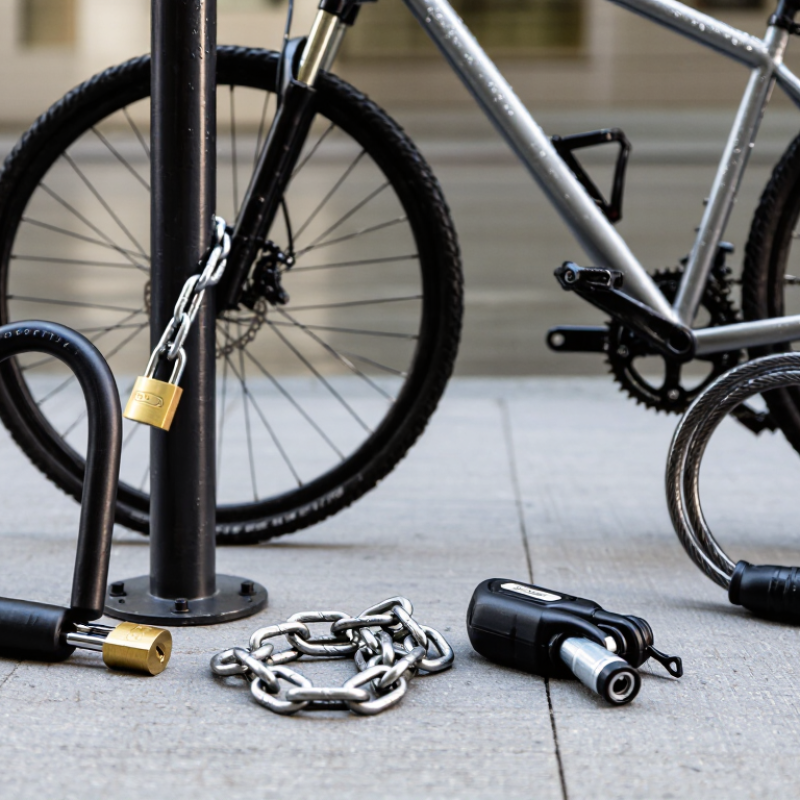
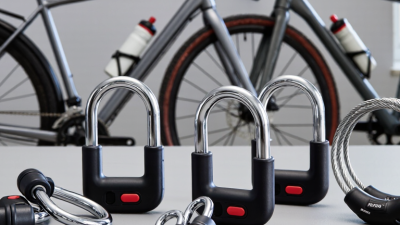
Choosing a bicycle lock starts with the parking spot, not the price tag. A rigid U-lock resists leverage well and fits neatly around a frame and rack, but may not reach a wide post. A chain wraps around awkward fixtures; thicker links add weight, which matters on a daily commute. Folding locks offer a compact middle ground, though their joints need careful inspection. Cable locks are light and flexible, but work better as a secondary layer than as the only barrier. Small details count. Can the key turn with gloves on?
The UK Office for National Statistics’ Crime Survey for England and Wales estimated about 79,000 bicycle theft incidents in the year ending March 2023. That figure does not compare lock types, but it shows why securing both frame and wheel matters.
Sold Secure’s published ratings are based on graded attack-resistance testing; a higher grade signals tougher testing, not a guarantee against theft. A frame lock can immobilize a wheel during a short stop, yet it does not secure the bicycle to a fixed object.
Pair it with a U-lock or chain when leaving the bike unattended. Even good advice has limits: the best setup is the one you can carry and use consistently.
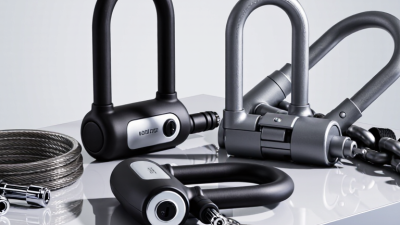
U-locks and chains are judged by resistance, not appearance. The four common levels are Bronze, Silver, Gold, and Diamond. Higher ratings indicate stronger resistance under the test scheme, but they do not make theft impossible. A compact U-lock can secure a frame and wheel to a fixed rack, though its shape may not fit every post. A chain reaches awkward anchor points, but thick links add weight. That trade-off matters on a daily commute.
The UK Office for National Statistics’ Crime Survey for England and Wales tracks bicycle theft in its annual crime data. These estimates offer useful context, but they cannot predict risk at one particular rack or street. Match the rating to your parking habits: a bike left outside overnight needs a different level of protection from one stored indoors. A rating alone leaves a blind spot.
Tips: Check the exact rating on the lock, not just the packaging claim. Secure the frame to a fixed object, keep the lock off the ground, and test the fit before buying. Heavy chains can be a chore to carry; if one stays at home, its rating is no help.
ART’s one-to-five-star scale helps buyers compare tested locks, but it is not a promise against theft. A higher rating generally indicates more demanding resistance testing. Check the certificate and exact model, not just a product-page claim. Small differences in design can matter.
Folding locks use linked steel bars and can wrap around posts, racks, or awkward frames. Their joints and rivets are important points to inspect. A five-star model may offer stronger tested resistance, but it can also be heavier and less convenient to carry. Feel the hinge movement. Is it smooth, or loose?
Cable locks are flexible and light, making them handy for quick stops or securing wheels alongside a stronger lock. Their rating can help show how much tested resistance they provide, yet a high number does not make every cable equally practical. Check its diameter, construction, and locking mechanism. A thin cable may be easy to route, but it can leave a costly bike vulnerable. Ratings are useful guidance, not the whole decision. Match the lock to your bike’s value, parking time, and available fixed anchor. Even then, no choice feels perfect.
A frame lock secures the rear wheel to the frame, making quick roll-away theft harder. But it does not secure the front wheel, and a bicycle can still be lifted. A cable through both wheels may deter casual tampering, though it offers limited resistance to cutting. For longer stops, add a second, independently secured lock through the frame and front wheel to a fixed rack.
The UK Office for National Statistics estimated around 77,000 bicycle thefts in England and Wales in the year ending March 2023. That figure is a reminder: protecting the frame alone leaves valuable components exposed.
Tips: Position the frame lock close to the rear wheel. Thread a secondary lock through the front wheel and frame, then around the rack. Keep locks clear of the ground, where leverage can be easier. Remove lights and other detachable accessories before walking away. Check that the rack is firmly anchored and leaves little room for a bicycle to be lifted over it.
Fit matters. A bulky lock may be awkward on a small frame, while a tight fit can make correct locking difficult. Test the setup at home, with both wheels secured and the keyhole accessible. Still, no setup is perfect. Think about the stop, the rack, and the components you can afford to lose.
A lock choice should match the theft risk around your usual stops, not just the bike’s price. A quick stop outside a busy shop differs from leaving a bicycle overnight near an empty station. In higher-risk places, a substantial hardened-steel chain or U-lock may offer more resistance than a light cable. Cables still help secure wheels or accessories. They are rarely a strong primary lock. That distinction is easy to miss.
Portability matters because a lock left at home provides no protection. Carry one on a frame mount or in a bag, and check that it does not rattle or interfere with riding. A heavy lock can be reassuring, but daily weight adds up. I would not treat the heaviest option as automatically best. A lock that fits the frame and a fixed rack is often more useful than one that is awkward to position.
Look for independent test reports that explain the method, tools, and sample tested. A simple pass label tells you less than clear results. Check whether testing covers cutting, leverage, and weather exposure, where relevant. No test perfectly predicts a real theft attempt. Use the findings as evidence, not a guarantee. Lock the frame and, when possible, a wheel to an immovable rack. Small positioning details matter.
| Lock Type | Typical Theft Resistance | Portability | Best Suited To | Independent Testing Guidance | Practical Buying Check |
|---|---|---|---|---|---|
| U-lock (D-lock) | Generally high when made with substantial hardened components and used correctly. Security varies by model, dimensions, and construction. | Moderate; compact models can be convenient, though a heavy lock may be less comfortable to carry. | Higher-theft areas and routine stops where the frame can be secured to a fixed object. | Check for an independent security rating for the exact model. A lock’s category alone does not establish its tested resistance. | Choose a size that fits the frame and a suitable fixed anchor without leaving excessive space inside the lock. |
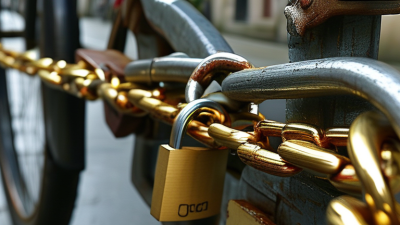
| Hardened chain lock | Ranges from moderate to high, depending on chain material, link thickness, construction, and the locking mechanism. | Usually low to moderate; heavier chains can be cumbersome but may offer flexible reach. | Locations where a longer reach is useful or where several parts of a bicycle need to be secured. | Look for independent testing of the complete lock, including its links and locking mechanism—not just a description of the chain. | Check the chain’s weight, usable length, and protective covering, which can help reduce paint damage. |
| Folding lock | Varies considerably by model and construction; do not assume folding designs match the resistance of every U-lock or chain. | Often good; folding segments can pack neatly on a bicycle. | Buyers who value compact carrying and need a flexible shape for different parking points. | Compare independent ratings for the exact model and check that the rating covers the complete lock assembly. | Inspect the hinge design, mounting method, folded size, and reach before purchase. |
| Armoured cable lock | Variable and generally dependent on the cable core and construction; appearance alone is not a reliable measure of resistance. | Usually good; many versions are flexible and relatively easy to carry. | Lower-risk stops, short unattended periods, or as a secondary lock for an accessory. | Use an independent rating for the specific model where available. Do not treat a thick-looking exterior as proof of high security. | Check the cable’s actual construction and length, and avoid relying on it as the only lock in a higher-risk location. |
| Lightweight cable lock | Low against determined theft; its flexible cable is generally better suited to opportunistic deterrence than primary security. | High; commonly light and easy to pack. | Brief, low-risk stops or securing a helmet or accessory alongside a stronger primary lock. | Check any independent test information, but select a stronger primary lock when the bicycle will be left unattended in a higher-risk area. | Use it as a supplementary measure rather than assuming portability provides strong protection. |
| Frame-mounted wheel lock | Restricts wheel movement but does not, by itself, secure the bicycle to a fixed object. Its protection is limited when used alone. | Very high; typically remains attached to the bicycle. | Quick stops and as a secondary measure, particularly when combined with a lock securing the frame to a fixed anchor. | Confirm whether independent testing applies to the specific model. A rating does not change the limitation that this lock alone does not anchor the bicycle. | Check frame compatibility and consider a compatible plug-in chain or a separate primary lock for anchoring. |
Note: Theft resistance depends on the specific lock, how it is used, the quality of the fixed anchor, and local conditions. Independent ratings apply to tested models, not automatically to every lock of the same type. Where available, check the current rating details and secure the frame to a fixed object.