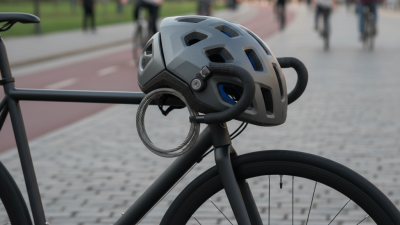
For global bicycle buyers, choosing a lock is not a minor accessory decision. A Good Bike U Lock protects the daily ride, delivery bicycle, electric bike, or family commuter from common theft risks. Its hardened steel shackle should resist cutting, while the locking cylinder should operate smoothly after rain, dust, and temperature changes. A compact design also matters. If the lock is too heavy, many riders will leave it at home.
Sheldon Brown, a respected bicycle mechanic and technical writer, offered a practical principle: “The best lock is the one you carry.” That advice still fits international purchasing decisions. A strong lock has limited value if it does not fit the bicycle frame, rack, or available storage space. Buyers should check shackle dimensions, mounting options, corrosion resistance, key security, and warranty support before ordering. Packaging quality and clear instructions also deserve attention, especially when products cross borders.
No lock is perfect. That is worth admitting. Even a reliable Good Bike U Lock cannot replace careful parking habits. A rider should secure the frame and wheel to a fixed, approved object, avoid isolated locations, and keep the lock away from direct ground contact. Product claims can sound impressive, but independent testing and real user experience often reveal practical weaknesses. This guide examines the features that separate a dependable U lock from a merely attractive one, helping global buyers make a safer, more realistic choice.
Police reports and insurance claims reveal different parts of global bicycle theft risk. Police data records reported incidents, locations, time patterns, and recovery rates. However, many victims never file a report. The bicycle may be uninsured, or the process may feel inconvenient. Insurance data shows financial losses and claim frequency, but it excludes riders without coverage. It can also reflect policy limits rather than every theft. The numbers are useful, but not clean.
For global buyers, this distinction matters when comparing security needs across cities. A location with fewer reports may simply have weaker reporting habits. Buyers should review local police dashboards, transport surveys, and insurer guidance before choosing a lock. A good U lock should resist cutting, protect its locking cylinder, and fit around the frame and a fixed parking object. The shackle should leave limited space for tools.
Small detail. It matters.
Real-world security also depends on daily behavior. Lock the frame, not only the front wheel. Avoid isolated racks, even during daylight. Insurance policies may require an approved lock, a specific locking method, or proof of forced entry. Requirements vary by country and policy. I would not treat one crime map as a complete answer. Police data can be delayed, while insurance records can hide uninsured losses. A careful buyer compares both sources, then chooses a lock that remains practical enough to use every day.
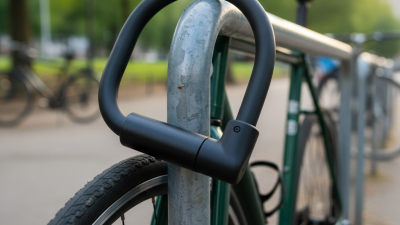
A good U lock is essential for global buyers because theft risks and testing expectations vary between markets. Lock ratings offer a clearer comparison than appearance, weight, or marketing claims. EN 15496 evaluates bicycle locks through structured tests, including resistance to force, corrosion, and operational reliability. It helps buyers check whether a lock meets a recognized technical benchmark.
Sold Secure ratings commonly use Bronze, Silver, Gold, and Diamond levels. Higher levels generally indicate resistance to stronger tools and longer attack testing. ART Ratings use star levels, often from one to five stars, based on security performance. These systems are useful, but they are not identical. A five-star result should not be treated as a direct equivalent to every top-level Sold Secure result.
Details matter. Check the tested lock model, shackle size, cylinder design, and rating date. A certified lock may still fail if its shackle leaves a wide gap around a rack. Poor placement creates leverage. So does a loose mounting point. In product reviews, I would examine test documentation rather than trust a bold security label. No rating predicts every street situation. That limitation deserves attention. Buyers sometimes choose the heaviest lock, yet excessive weight can discourage daily use. A slightly lighter, properly rated U lock may be carried and secured more consistently. The comparison is imperfect, but it is practical.
For global buyers, a good bike U lock is more than a metal accessory. It is a daily security decision. In product inspections, I examine the shackle before judging the lock body. A thicker shackle usually gives cutting tools less room to work. It also resists bending and twisting more effectively. However, thickness adds weight and may not fit every frame or rack.
Thicker is not always better. Steel hardness matters too. Hardened steel can resist surface damage and slow cutting attempts. Yet excessive hardness may reduce toughness if the heat treatment is poorly controlled. A brittle shackle can crack under severe impact. The best designs balance hardness, toughness, and consistent manufacturing. Small defects matter. Smooth welds, accurate alignment, and a tight locking mechanism support dependable everyday use.
I once assumed that the largest shackle offered the strongest protection. That assumption was incomplete. A compact, well-hardened shackle can perform better than a thicker but poorly treated one. Buyers should request material details, independent test evidence, and corrosion information. Check the internal clearance against the bicycle frame and fixed parking point. In wet coastal regions, protective coatings and drainage openings deserve attention. A heavy lock may discourage daily use, which weakens security in practice. Evaluate resistance, portability, climate, and fitting together.
A bicycle’s price should guide the lock’s security level, not its color or weight alone. A basic commuter bike may need a compact, hardened-steel U lock for short urban stops. An expensive electric bicycle deserves a larger, stronger model, plus a second lock when risk justifies the extra weight. Security should match replacement cost. It is not always comfortable.
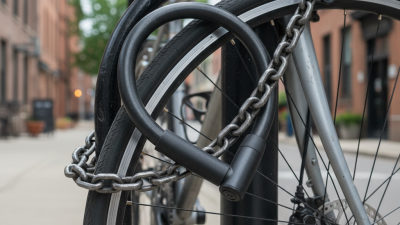
Theft patterns differ sharply by region, city, and even transit station. Buyers should review recent police reports, insurer guidance, and local cycling groups before choosing. In dense cities, thieves may target wheels or accessories after the frame is secured. In quieter areas, poorly anchored racks can create the bigger weakness. Check the rack first. A U lock should pass through the frame and, when possible, the front wheel. It should enclose a fixed object with little spare space. Tiny gaps matter.
For wet coastal climates, corrosion-resistant finishes and a covered keyway can improve daily reliability. In freezing regions, test the key mechanism with gloves before buying. Measure the frame and rack together. A lock that is too small may not reach, while one that is too large offers leverage space. That mistake is common. I would also question travel assumptions: a lock suitable for a guarded office may be inadequate beside an unattended night bus stop. Keep it off the ground, and inspect the shackle after falls. No lock guarantees safety. A stronger lock left at home protects nothing.
| Bicycle Value Tier | Typical Theft Exposure | Recommended U-Lock Construction | Suggested Shackle Size | Regional Theft Pattern to Consider | Recommended Locking Method | Buyer Rationale |
|---|---|---|---|---|---|---|
| Up to USD 500 Basic city or utility bicycle |
Low to medium. Risk rises when the bicycle is left outdoors for long periods or secured with a cable only. | Hardened-steel U-lock with a protected locking mechanism and a tested security rating recognized in the destination market. | Approximately 12–14 mm hardened steel. | Lower-density areas may still experience opportunistic theft, especially near transport stops, schools, and public parking. | Secure the frame and at least one wheel to an immovable rack. Avoid locking the front wheel alone. | Provides a practical balance between price, portability, and resistance to common opportunistic attacks. |
| USD 501–1,500 Regular commuter or hybrid bicycle |
Medium. Daily commuting increases the number of times and locations where the bicycle is exposed. | Hardened-steel shackle, double-locking crossbar, drill-resistant cylinder, and a security rating suitable for urban use. | Approximately 14–16 mm hardened steel. | Dense urban centers, railway stations, university areas, and nightlife districts generally require stronger protection and shorter unattended periods. | Use the U-lock around the frame and rear wheel; add a secondary cable or compact secondary lock for the front wheel. | A stronger U-lock reduces the chance of a quick theft while remaining suitable for everyday carrying. |
| USD 1,501–4,000 Performance, touring, or premium commuter bicycle |
High. The bicycle has greater resale value and may attract more deliberate theft attempts. | Thick hardened-steel shackle, secure double-bolt mechanism, protected keyway or high-security cylinder, and independently tested security performance. | Approximately 16–18 mm hardened steel. | High-demand city markets and areas with frequent bicycle commuting can present elevated resale-driven theft risk, particularly at major transit hubs. | Use two independent locks where practical: a primary U-lock through the frame and rear wheel, plus a second lock for the front wheel or frame. | The replacement cost justifies stronger physical security and layered protection rather than relying on a single lightweight lock. |
| Above USD 4,000 High-end road, cargo, or electric bicycle |
Very high. Expensive components, batteries, and recognizable frames can increase both theft appeal and resale value. | Heavy-duty hardened-steel U-lock with a robust double-locking system, tamper-resistant cylinder, anti-drill protection, and a relevant independent security certification. | Approximately 18–20 mm hardened steel, subject to portability and rack compatibility. | Large metropolitan areas, transport interchanges, tourist districts, and locations with limited overnight storage require the highest level of layered security. | Use two high-security locks on the frame and both wheels. Remove the battery, display, or other detachable high-value components when possible. | A single lock may not provide adequate protection for a high-value bicycle; layered security helps address different attack methods. |
| Any value tier Long-term or overnight parking |
Higher than short stops because attackers have more time and concealment opportunities. | Select the security level according to bicycle value, while prioritizing a compact fit, hardened materials, and independent testing. | Use the largest practical security level that still fits tightly around the frame, wheel, and fixed object. | Risk is influenced by lighting, natural surveillance, local bicycle demand, parking design, and the length of time unattended—not by geography alone. | Choose a well-lit, fixed bicycle rack; keep the lock off the ground and minimize empty space inside the U. | Correct installation is essential because even a strong lock can be compromised when attached to a weak object or used with excessive clearance. |
Global Buyer Checklist: Keyways, Weather Resistance, Warranty, and Standards
A good bike U lock is more than a thick piece of metal. For global buyers, small specification differences can decide whether daily security feels dependable. Your checklist should begin with the keyway. Choose a design with protected entry and smooth operation, even when dust enters the cylinder. However, unusual key profiles may complicate replacement in another country. Ask for duplicate keys and a clear key-control process.
Weather resistance deserves practical attention. Look for corrosion-resistant coatings, sealed components, and test information for rain, salt, dust, and freezing temperatures. An IP rating can describe water and dust protection, but it does not replace metal corrosion testing. Check the lock body, shackle, and cylinder separately. On a coastal commute, hidden rust inside the cylinder can matter before surface scratches appear.
Standards can help. Verify which security or material standard was used, who tested it, and whether the report is current. Terms such as “tested” are weaker without evidence.
A useful warranty states its duration, coverage, claim method, and exclusions in plain language. Ask whether corrosion, lost keys, scratched finishes, and normal wear are included. Small details matter. Keep the invoice and product details.
In my purchasing reviews, I have learned that a long warranty can hide narrow conditions. That is an uncomfortable detail, but it deserves attention. Compare independent test documents, user instructions, and local service support before ordering. Do not assume one security grade means the same protection everywhere. Bike parking habits, weather, and replacement access still shape the real result.