Leave Your Message

How to Choose the Best Bicycle Locks and Chains for Your Bike?

Choosing the right bicycle locks and chains can feel overwhelming. With so many options, it is crucial to prioritize security. Renowned cycling expert James Wilkins once stated, "Investing in quality bicycle locks and chains is essential for every cyclist." This emphasizes the importance of selecting the proper gear to protect your bike.

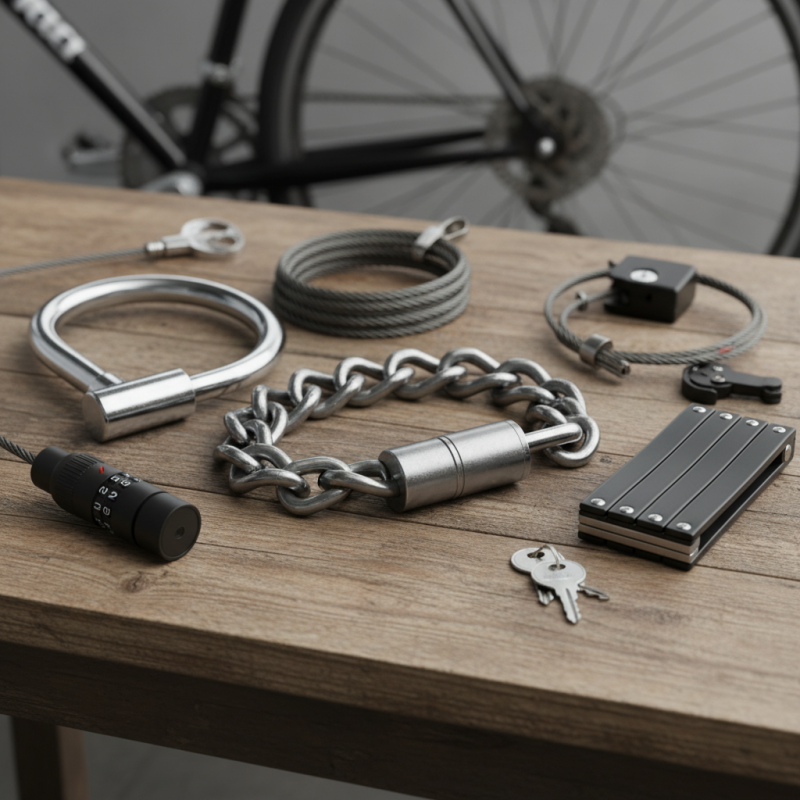
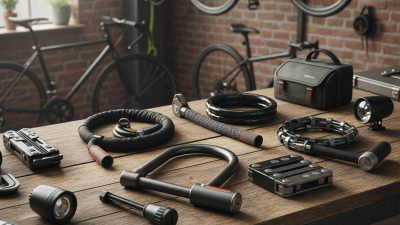
Understanding different types of locks and chains can make a significant difference. Some offer convenience, while others focus on strength. U-locks, chain locks, and folding locks each have their pros and cons. A heavy-duty chain may provide robust security but can be cumbersome to carry.

When selecting bicycle locks and chains, consider your specific needs. Evaluate where you usually park your bike and the risks associated with that area. A lock that works well in one environment might not be suitable in another. Remember, a good lock should never be considered a guarantee but rather a deterrent.
How to Choose the Best Bicycle Locks and Chains for Your Bike?

Understanding Different Types of Bicycle Locks and Chains

How to Choose the Best Bicycle Locks and Chains for Your Bike?

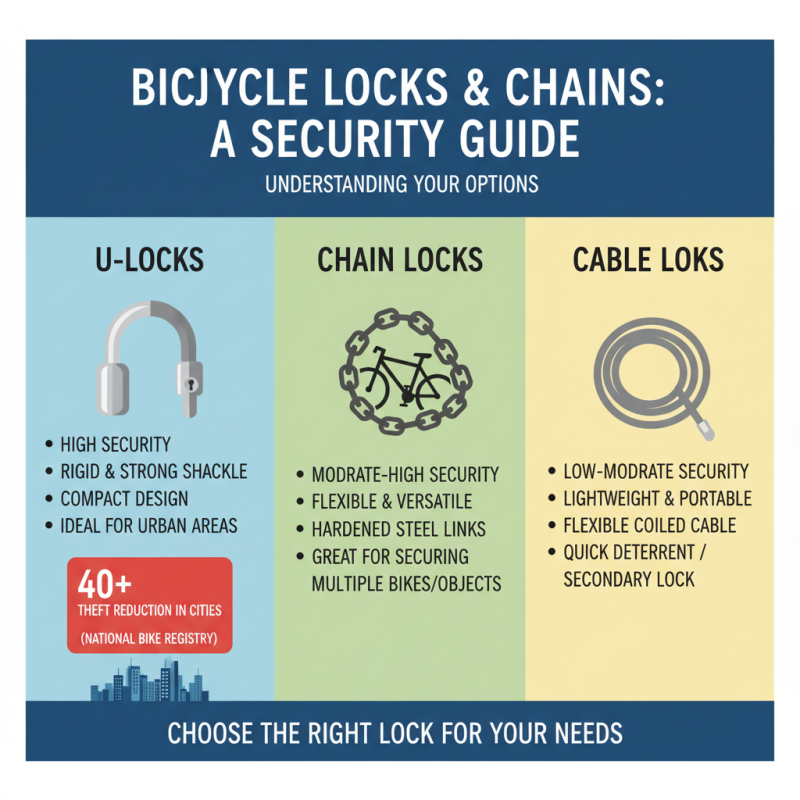
When selecting bicycle locks, understanding the types available is crucial. U-locks, chain locks, and cable locks are popular choices, each offering different security levels. U-locks provide high security with sturdy materials and a compact design. A study by the National Bike Registry reported that over 40% of bike thefts occur in urban areas. Choosing U-locks can significantly decrease the risk of theft.

Chain locks offer flexibility. They can secure multiple bikes or be used around permanent objects. Their thickness and materials affect their security ratings. While some chain locks are heavy, they usually provide a higher level of security than cable locks. Research shows that thick chains deter thieves more effectively than thinner ones. However, the weight might lead cyclists to leave their locks behind.

Cable locks, often lighter and more portable, are less secure. They are suitable for quick stops but not for extended periods. Reports indicate that they are the most commonly broken locks. Many cyclists overlook this when choosing locks. It’s essential to balance convenience and security. Ultimately, understanding lock types can lead to better decisions in protecting your bike.
Evaluating Security Levels: What Makes a Lock Safer?

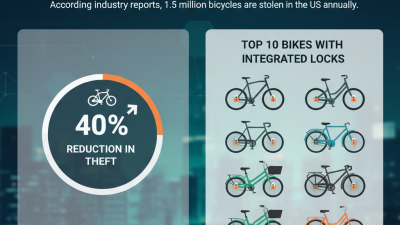
When evaluating bicycle locks, security levels are crucial. Not all locks provide the same protection. According to the 2022 Bicycle Theft Report, around 1.5 million bicycles are stolen in the U.S. each year. This staggering figure highlights the importance of choosing the right lock.

A lock’s security is determined by its materials, mechanisms, and design. U-locks made from hardened steel typically offer better protection than chain locks due to their resistance to cutting. Research shows that U-locks can deter theft, with 85% of thieves abandoning their efforts when faced with a high-quality lock. Meanwhile, chain locks offer flexibility in securing various parts of a bike but may be more vulnerable if made from weaker materials.

Consider the level of security needed for your bike. A study found that areas with high crime rates require locks with higher security ratings. This means opting for locks with the Sold Secure gold standard or those adhering to a similar independent testing standard. Not every lock is made equal, and even the highest-rated locks can have weaknesses. Regular inspections and maintenance are essential to ensure long-term effectiveness. What works in one city may fail in another, so always reassess your security needs.

Security Levels of Bicycle Locks

This chart illustrates the security levels of various types of bicycle locks on a scale from 1 to 10. U-locks are generally the most secure, while cable locks tend to provide the lowest level of protection.

Choosing the Right Size and Weight for Easy Transport

When selecting a bicycle lock, size and weight significantly influence your choice. Compact locks often weigh less and are easier to carry. Many cyclists prefer lightweight options for daily commutes. A report by the National Bicycle Dealers Association (NBDA) indicates that 70% of cyclists favor locks under 3 pounds for portability. This means you should consider a lock that fits your needs without adding excessive weight to your ride.

However, lighter locks may compromise security. The general rule is that heavier locks tend to offer higher protection. A study from the Bicycle Security Council found that the most secure locks weigh an average of 6 pounds or more. This suggests a balance must be struck. If you opt for a lightweight model, ensure it meets quality standards for security. Think about how you’ll carry it. Some locks come with mounting brackets, while others fit easily into a backpack. Whatever your choice, evaluating these factors will enhance your biking experience.

How to Choose the Best Bicycle Locks and Chains for Your Bike? - Choosing the Right Size and Weight for Easy Transport

Type of Lock/Chain Weight (lbs) Length (inches) Security Rating (1-10) Price ($)
U-Lock 3.5 12 9 45
Chain Lock 4.0 30 8 50
Folding Lock 3.0 24 7 60
Cable Lock 2.0 60 4 20
Lock with Alarm 3.5 10 9 70

Assessing Material Durability and Resistance to Weather Conditions

How to Choose the Best Bicycle Locks and Chains for Your Bike?

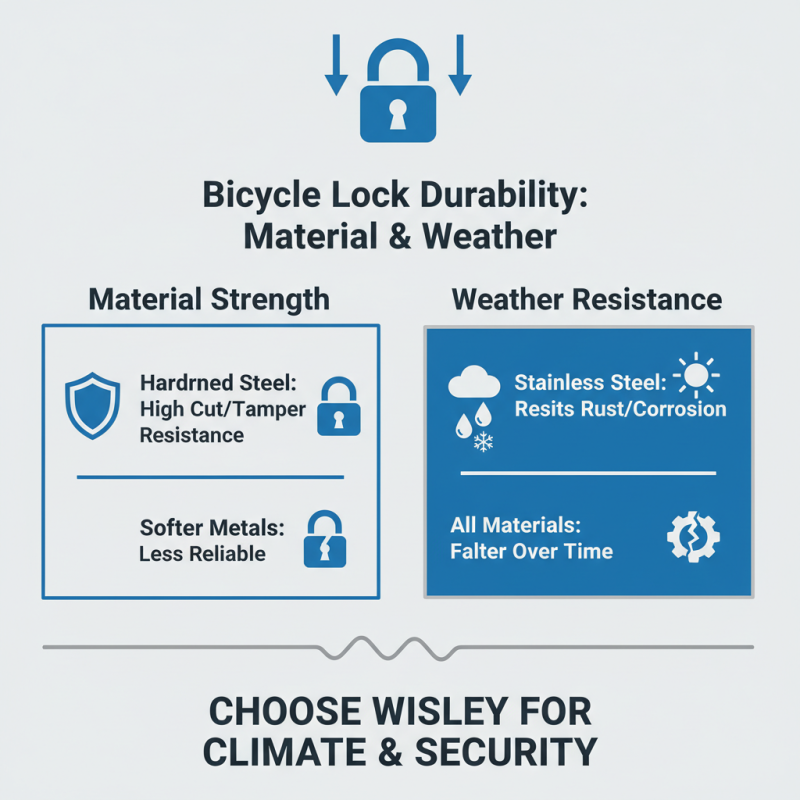
When choosing a bicycle lock, one key factor is the material. Locks made from hardened steel offer higher resistance to cutting and tampering. In contrast, softer metals can be less reliable. Weather conditions also play a role in material choice. Stainless steel, for instance, resists rust and corrosion. This makes it more durable in varying climates. However, even the most resistant materials can falter over time.

Consider locks with protective coatings. These can enhance weatherproofing and prevent wear. However, coatings may wear off, exposing the metal beneath. It's crucial to regularly check your lock for signs of damage. A lock that appears fine might not function properly. Also, think about storage. Leaving locks outside can damage them through exposure to moisture.

Reflect on your locking habits. Are you often in heavy rain? If so, a lock with better weather resistance is essential. For those in sunny climates, fading might be a concern. Regular maintenance can help, but ultimately, some locks might fail under extreme conditions. Assessing material durability isn’t just about resistance; it also involves awareness of your environment and how it affects your equipment.

Budgeting for a Quality Lock: What to Expect in Each Price Range

When selecting a bicycle lock, budgeting is crucial. Locks range widely in price, from $10 to $200. Typically, higher-priced locks offer better materials and advanced security features. According to a 2020 report from the National Bicycle Crime Prevention Institute, 60% of stolen bicycles were taken when locked with a low-cost lock.

In the $10 to $30 range, you'll find basic cable locks. These may deter casual thieves but lack the strength against determined ones. For instance, a robust U-lock could cost between $50 and $100, providing a significant upgrade in security. This range often features hardened steel and resilient locking mechanisms.

Investing more will boost overall safety. Locks in the $100 to $200 range usually come with added features, such as alarms or smart technology. However, it's worth noting that even expensive locks can be vulnerable in certain situations. Practicing good parking habits is essential.

Tips: Always lock your bike in well-lit, high-traffic areas. Double-locking with different types of locks can deter thieves. Check online reviews and ratings to gauge real-world effectiveness before your purchase.