How to Choose the Best Bike Chain and Lock for Security?
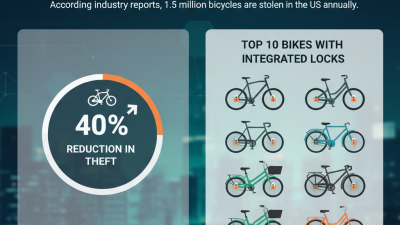
When it comes to bike security, choosing the right bike chain and lock is crucial. Data from the National Bike Registry reveals that 1.5 million bikes are stolen each year in the United States. With such a high theft rate, selecting an effective lock can significantly reduce the chances of losing your bike. The bike chain and lock market is flooded with options, making it overwhelming for consumers.
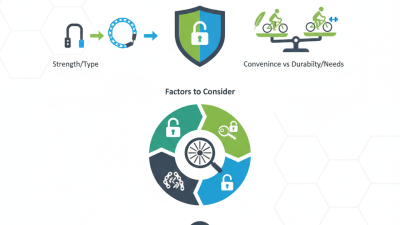
Experts recommend looking for locks with high security ratings. A good lock should withstand various tampering methods. A report from Sold Secure highlights that tougher locks deter thieves. Additionally, investing in a reliable bike chain can enhance security. Some chains are made of hardened steel, which offers superior resistance against cutting tools. It's essential to balance weight and durability, as heavier chains often provide better protection.
However, many cyclists overlook the importance of securing both the frame and wheels. Improving your bike's security means more than just choosing a tough lock. It's essential to understand that no lock is infallible. Regularly reviewing and upgrading your security measures is vital. This approach not only protects your investment but also promotes a culture of bike safety.
How to Evaluate the Strength and Durability of Bike Chains
Choosing the right bike chain is crucial for securing your bike. Strength and durability are key factors to consider. A high-quality bike chain should withstand daily wear and tear, especially if you use your bike frequently. Chains made from hardened steel offer better resistance to cutting. The thickness of the links matters, too. Thicker chains tend to be more secure, but they can be heavier.
When evaluating a chain's strength, look for those tested to withstand high levels of force. Some chains come with anti-pick mechanisms. This feature can help prevent tampering. It is essential to consider the type of lock you will use with your chain. Always consider the entire locking system. A weak lock can undermine a strong chain.
**Tips:** Always check for reviews on the durability of a chain before buying. Consult a local bike shop for advice tailored to your needs. Look at the warranty offered by manufacturers; this can indicate the product's reliability. Consider how often you will use your bike and where you will park it. This can influence your choice between a lightweight or heavy-duty chain.
Understanding Different Types of Bike Locks and Their Security Levels
When it comes to securing your bike, understanding the different types of bike locks is crucial.
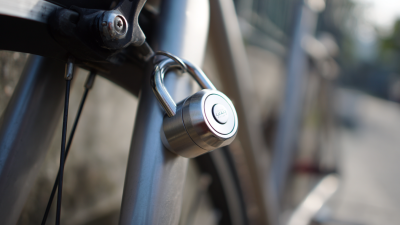
U-locks are known for their strength. They are often made from hardened steel, making them resistant to cutting.
However, their size can be limited, sometimes making it tricky to secure both your bike and a fixed object.
Chain locks offer flexibility. They come in various lengths, allowing you to lock your bike to various structures.
However, they tend to be heavier and can be cumbersome to carry.
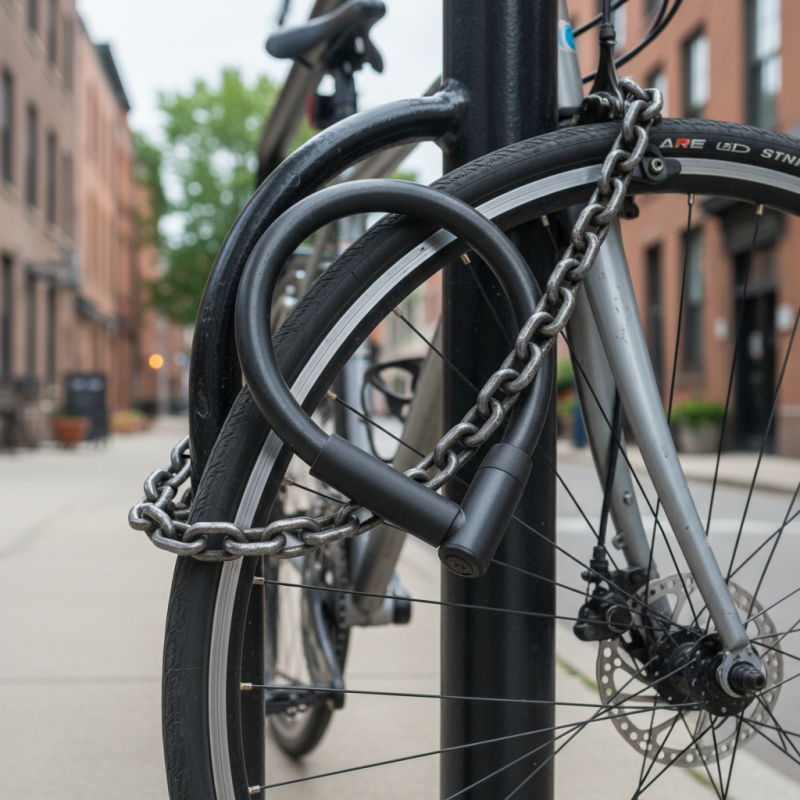
Consider using a combination of both types. A U-lock can secure the frame, while a chain lock secures the wheels or accessories.
In addition, cable locks are lightweight and easy to carry.
However, they provide the least protection. Thieves can cut through them relatively easily.
For maximum security, it might seem wise to invest in high-quality locks.
Prices can vary. Sometimes, people overlook cheaper options that still offer solid protection.
Evaluating the security level is key. Look for locks rated by independent security testers.
This can guide you in making informed decisions.
Remember, no lock is invincible. It’s about making your bike a less appealing target.
Key Features to Look for in Bike Locks: Materials and Design Considerations
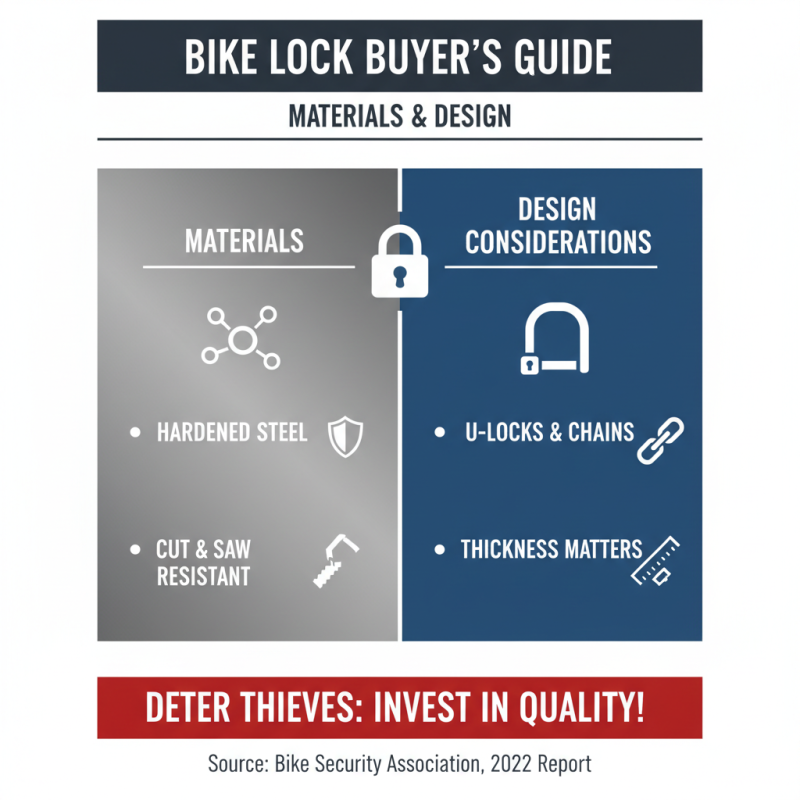
When choosing a bike lock, understanding materials is crucial. High-quality steel is often recommended for its strength. Locks made from hardened steel resist cutting and sawing much better. According to a 2022 report from the Bike Security Association, over 40% of stolen bikes were secured with low-quality locks. The implication is clear: invest in a durable lock to deter thieves.
Design is equally important. Look for locks that utilize advanced mechanisms, such as disc detainers or anti-pick cylinders. These designs can significantly reduce the risk of unauthorized access. Additionally, consider the lock's size and weight. A lock that's easy to carry can make a difference in daily use. However, lighter options may compromise security. A balance is needed.
Tips: Always store your bike in well-lit areas. Thieves prefer darkness. Regularly check your lock for wear. If it shows signs of damage, it might be time for a replacement. Be reflective; even the best lock isn't foolproof, so combine it with proper locking techniques. Use two different types of locks to add extra security layers.
Analyzing Theft Statistics to Determine Your Locking Strategy
Analyzing theft statistics is crucial when choosing a bike lock. In 2022, the National Bike Registry reported that around 1.5 million bicycles were stolen in the United States alone. This alarming number highlights the need for effective locking strategies. Thieves often target bikes that look vulnerable. Simple locks are insufficient. Most stolen bikes are locked with basic cable locks. These locks can be cut in seconds with the right tools.
To enhance security, invest in a high-quality U-lock. A study by the Bicycle Safety Institute found that U-locks deter about 90% of opportunistic thieves. However, awareness of your surroundings matters. Avoid locking your bike in isolated areas, as thieves prefer low-risk environments. Always secure your bike to solid structures. Remember that the lock itself should cost at least 10% of your bike’s value.
Consider using dual locking methods. Combining a U-lock and a chain lock can create a more imposing barrier. The security of your bike also depends on its specific location. Urban areas see higher theft rates than rural regions. Data shows that bikes parked in busy areas get stolen less often than those left in secluded spots. Reflect on your routine. Where do you park? Does your chosen area feel safe? Every detail counts in preventing theft.
How to Choose the Best Bike Chain and Lock for Security?
| Lock Type |
Material |
Weight (lbs) |
Price Range ($) |
Theft Resistance Rating |
| U-Lock |
Steel |
3.5 |
40 - 100 |
High |
| Chain Lock |
Hardened Steel |
4.5 |
50 - 120 |
Medium |
| Folding Lock |
Steel Alloy |
3.0 |
60 - 150 |
Medium to High |
| Cable Lock |
Coated Steel |
2.0 |
15 - 50 |
Low |
Best Practices for Locking Your Bike Securely in Various Environments
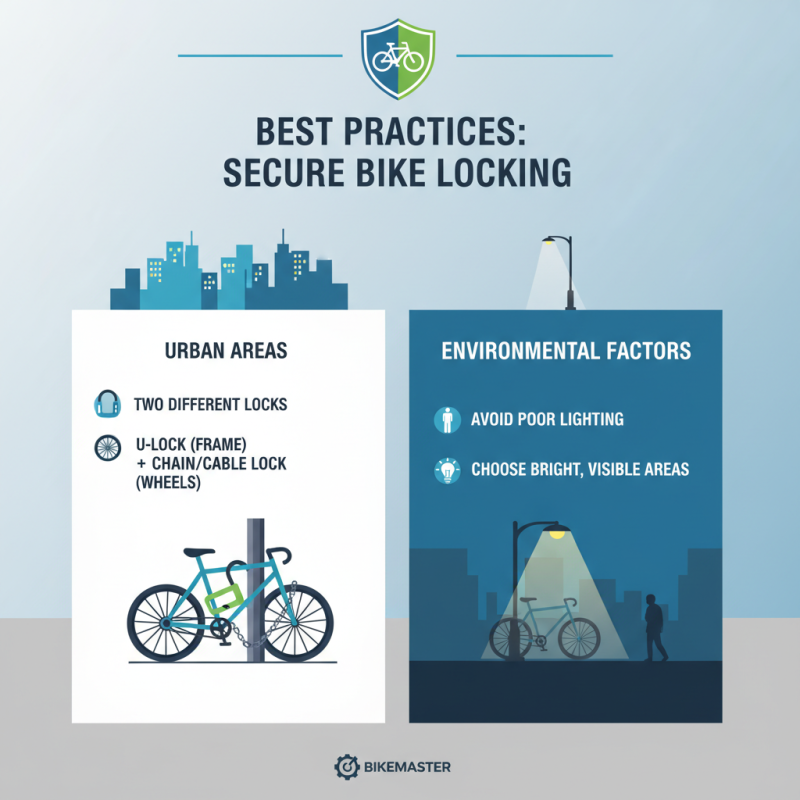
Locking your bike securely requires careful attention to your environment. In busy urban areas, use two locks of different styles. A U-lock provides high security for the frame, while a chain lock can secure the bike’s wheels. Be mindful of parking areas with poor lighting; criminals often operate in the shadows. A bright area can deter potential thieves.
In quieter suburban settings, a single sturdy lock might suffice. However, always attach your bike to a fixed object. Avoid locking your bike to fragile materials that can be easily broken or cut. Also, remember to lock your bike for every short stop. Many thefts happen during quick errands when the owner thinks “it will only be a minute.”
Reflect on your locking habits. Have you ever left your bike unlocked even in familiar places? This can lead to regret. Assess your routine and improve your lock strategy. Awareness of your surroundings is crucial. Regularly check the security of your lock system and consider upgrading if needed. Being proactive can greatly reduce your bike’s risk of theft.