Why You Should Choose a Lock Bike Helmet for Your Cycling Safety?
As cycling continues to gain popularity, safety remains a primary concern for riders. A recent report by the National Highway Traffic Safety Administration (NHTSA) indicates that in 2021, 1,000 cyclists died in traffic accidents in the United States alone. Amid this alarming statistic, the choice of helmet becomes pivotal for ensuring rider safety.
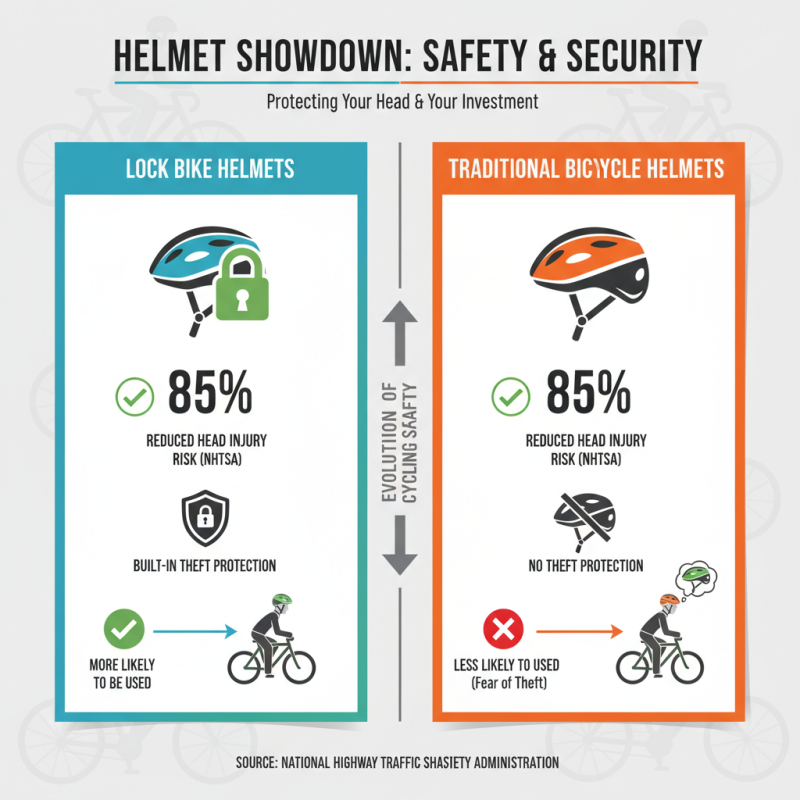
One emerging solution is the "Lock Bike Helmet", a revolutionary design incorporating security features alongside traditional protective elements. Dr. Emily Carter, a renowned expert in cycling safety, emphasizes, “A helmet is only useful if it is worn, and the Lock Bike Helmet ensures that cyclists can secure it, encouraging consistent use.” This innovative approach not only promotes helmet usage but also addresses theft concerns that often deter cyclists from wearing them.
Inadequate cycling safety awareness persists, leading many riders to overlook essential gear. With the rise of urban cycling and related risks, there's a pressing need for effective solutions. The Lock Bike Helmet serves as a practical answer, merging convenience with protection. As we explore its advantages, it’s crucial to reflect on our ongoing commitment to safety in cycling.
Benefits of Using a Lock Bike Helmet for Enhanced Security
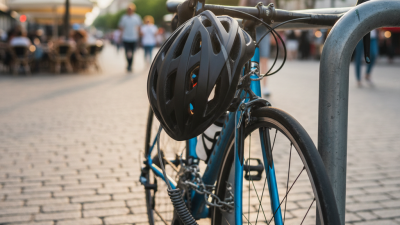
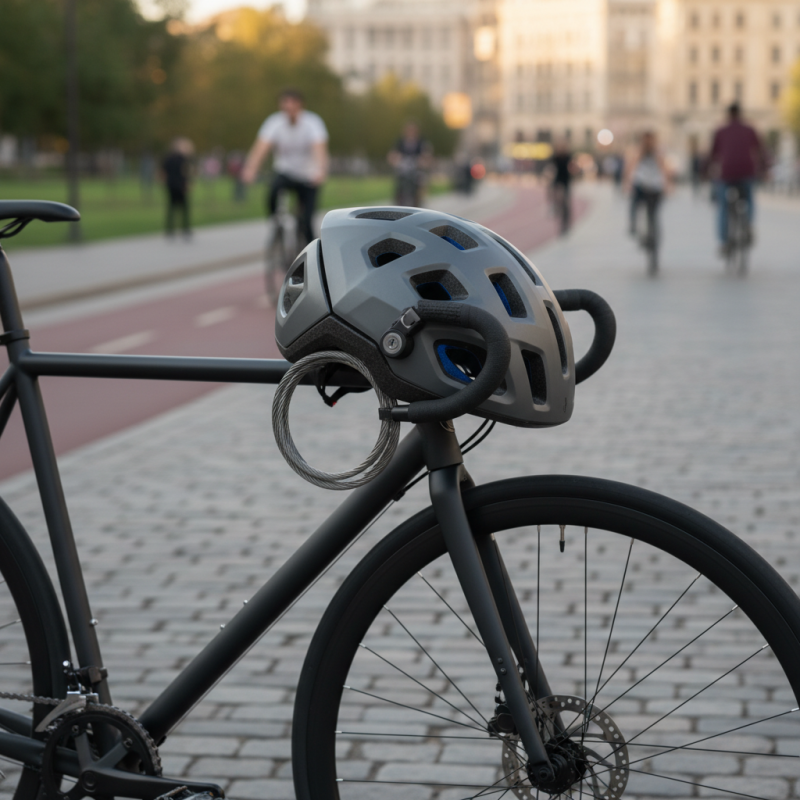
Lock bike helmets offer a unique combination of safety and security. These helmets come equipped with a locking mechanism that secures them to your bike. This feature can deter thieves, as it adds a layer of complexity to stealing your helmet. Imagine parking your bike and confidently walking away, knowing your helmet is secured. It brings peace of mind that traditional helmets lack.
Moreover, a lock bike helmet enhances durability. Built with sturdier materials, these helmets withstand daily wear and tear. Riders often question whether a helmet is worth the investment. The right helmet protects your head, but a lock bike helmet safeguards it against theft as well. This dual function makes it a pragmatic choice for avid cyclists.
Choosing a lock bike helmet does require careful consideration. Not all models are created equal. Some may compromise comfort for added security. Others might be heavier than traditional helmets. It’s essential to find a balance that works for you. Reflect on your cycling habits and pick one that suits your lifestyle.
Key Features of Lock Bike Helmets for Cyclists
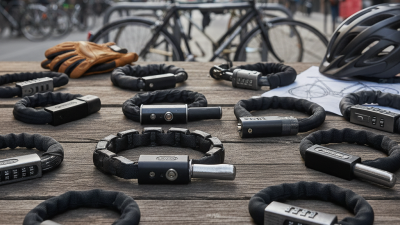
When cycling, safety is paramount. One innovative option is the lock bike helmet. This design features a built-in locking mechanism, which helps secure the helmet to your bike when it's parked. Cyclists often forget helmets, leaving them vulnerable to theft. A lock bike helmet addresses this issue directly.
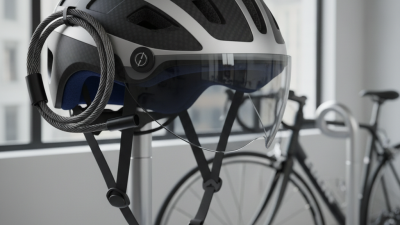
Key features make these helmets attractive. The locking system typically integrates seamlessly with the helmet's structure. The straps and shell are engineered to withstand tampering. Additionally, many models are lightweight, ensuring comfort during rides. Good ventilation is crucial, especially on warm days. Riders can enjoy fresh air without compromising safety.
However, not all lock bike helmets are equally reliable. Some locking mechanisms may be too complex for quick use. Others might not fit securely on all bike types. It’s worth researching the options available. Every cyclist must consider their own biking habits and needs. Safety should never be an afterthought.
Importance of Lock Bike Helmets for Cyclists
Choosing the Right Lock Bike Helmet for Your Needs
When it comes to cycling safety, choosing the right lock bike helmet is essential. An effective helmet not only protects your head but also provides security against theft. Look for helmets that incorporate locking features. These designs can wrap around your bike, making it difficult for thieves to take them. The right fit is crucial, too. A helmet that doesn’t fit well can compromise safety. Take the time to try on various models to find one you are comfortable with.
Consider the materials used in the helmet’s construction. Lightweight materials can enhance comfort during long rides. Look for helmets that feature ventilation systems. Proper airflow helps keep you cool on hot days. Pay attention to safety certifications as well. Helmets should meet established safety standards for optimum protection.
Some helmets offer additional features, like built-in lights or reflective strips. These can enhance visibility in low-light conditions. While it’s tempting to prioritize style, remember that safety comes first. You may find a helmet that looks great but lacks essential safety features. Reflect on your cycling habits. If you cycle frequently, invest in a quality helmet that meets your needs efficiently. Adjustments may be necessary over time as your cycling style evolves.
Maintenance Tips to Ensure Longevity of Your Lock Bike Helmet
One key to maintaining a lock bike helmet is proper cleaning. Regular cleaning can prevent dirt buildup, which may compromise its integrity. The National Highway Traffic Safety Administration (NHTSA) reports that helmets must remain intact to effectively protect cyclists. Wipe your helmet with a mild soap solution and a soft cloth. Avoid harsh chemicals, as they can damage the helmet material.
Storing your helmet in a cool, dry place is crucial. Heat can warp the foam, reducing its protective qualities. According to a study by the Bicycle Helmet Safety Institute, helmets can lose effectiveness if exposed to high temperatures for prolonged periods. Additionally, check your helmet for cracks or dents regularly. Such damage can occur from minor impacts, possibly diminishing safety.
Adjust your helmet straps periodically to ensure a snug fit. A loose helmet may shift during a ride, reducing effectiveness during accidents. Research indicates that properly fitted helmets can lower the risk of serious injury by up to 85%. Remember, consistent maintenance contributes to the longevity of your lock bike helmet and your overall safety. Keep these practices in mind for a safer cycling experience.
Why You Should Choose a Lock Bike Helmet for Your Cycling Safety? - Maintenance Tips to Ensure Longevity of Your Lock Bike Helmet
| Data Dimension |
Details |
| Helmet Type |
Lock Bike Helmet |
| Safety Ratings |
CPSC certified, EN 1078 approved |
| Key Features |
Integrated lock system, Multi-impact resistance |
| Weight |
About 300-400 grams |
| Recommended Maintenance Tips |
Store in a cool dry place, Clean with mild soap and water, Inspect for damages regularly |
| Lifespan |
Replace every 3-5 years or after an impact |