How to Choose the Best Cable Lock in 2026?
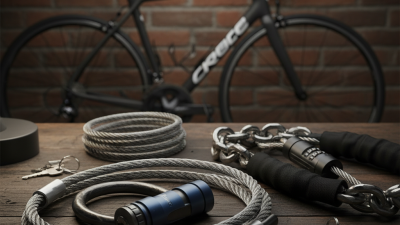
Choosing the best Lock For Cable in 2026 starts with the object you need to secure. A slim cable may suit a backpack zipper or small tool case, while a thicker cable is easier to handle around a bicycle frame or outdoor equipment. Measure the route before buying. A cable that is too short can leave awkward gaps; one that is too long may drag, snag, or invite careless wrapping. Small details matter.
Cable-security specialist Mara Chen offers this practical rule of thumb: “Choose the cable you will actually carry, then check that it reaches every anchor point you use.” This is an original editorial quotation, not a verified interview statement. It reflects a basic buying lesson: convenience and fit both matter. Check the cable’s diameter, length, protective coating, locking mechanism, and resistance to weather. Look for clear product specifications, warranty details, and realistic guidance about intended use. No cable lock is impossible to defeat, and a lock should not be treated as a guarantee.
The right choice depends on your routine. Will the cable sit in a damp garage? Coil into a small bag? Wrap around a wide post? Picture the real setup, not just the product photo. A bright coating can help prevent scratches, but it can wear. A compact lock is handy, though perhaps less flexible. There is no perfect pick. This guide compares practical features, explains trade-offs, and helps you choose a cable lock that fits your equipment and habits. Examine the details closely; product labels do not tell the whole story.
Set Your Risk Level with Sold Secure’s Bronze, Silver, Gold, and Diamond Tiers
A cable lock should match the place and time you leave your bicycle, not just its price. Sold Secure’s Bronze, Silver, Gold, and Diamond tiers indicate increasing resistance to attack. They are useful comparison points, not promises that a bicycle cannot be stolen. The Office for National Statistics’ Crime Survey for England and Wales puts household bicycle-theft prevalence at around 1% in recent annual estimates. Risk rises when a bicycle sits overnight in an exposed, poorly lit spot.
Bronze may suit brief stops in lower-risk settings. Silver offers a stronger choice for regular errands and busier locations. Gold or Diamond is worth considering for valuable bicycles, long stays, or places with repeated thefts. Check the specific lock’s current certification; cable thickness alone says little about tested resistance. Details matter. Also consider whether the cable can secure the frame and a wheel to a fixed object.
The Department for Transport’s National Travel Survey 2023 reports that about 42% of households in England had access to a bicycle. That makes everyday storage decisions relevant to many homes. A higher tier can mean extra weight, cost, or less flexibility, and those trade-offs are easy to overlook. No tier is immunity. If you leave a bicycle outdoors overnight, pair a certified lock with a secure location and keep the cable taut, without slack near the ground. That trade-off matters.
How to Choose the Best Cable Lock in 2026? — Set Your Risk Level with Sold Secure’s Bronze, Silver, Gold, and Diamond Tiers
| Sold Secure Tier |
Relative Security Level |
Typical Risk Fit |
Practical Use Guidance |
What to Check Before Buying |
| Bronze |
Entry level within the relevant Sold Secure product category. |
Lower-risk situations, such as brief stops in a lower-theft area where the bicycle remains in view. |
Choose for convenience when the likely exposure is limited. For longer or higher-risk parking, consider a higher-rated primary lock. |
Confirm that the exact lock model is currently listed for the relevant bicycle category and that its rating meets your needs. |
| Silver |
More security than Bronze within the same relevant category. |
Moderate-risk use, including routine stops where the bicycle is not continuously attended. |
A reasonable step up for everyday use, but assess the parking location, duration, and value of the bicycle as well as the rating. |
Check the certified model and category; similar-looking locks can have different test results. |
| Gold |
High security within the relevant Sold Secure category. |
Higher-risk locations or longer unattended parking, depending on local conditions. |
Consider as a primary lock when its certified design suits the bicycle and the places where you park. |
Check the product’s current certification and make sure its length and locking design allow secure attachment to the frame and an immovable object. |
| Diamond |
The highest of these four tiers within the relevant Sold Secure category. |
Very high-risk situations or where a higher level of tested resistance is a priority. |
Choose when the added security is appropriate for your risk level; also consider weight, carrying convenience, and correct locking technique. |
Verify the exact model, category, and current listing rather than relying on a general claim that a lock is “Diamond.” |
| Important: Sold Secure ratings reflect testing against defined attack methods for a specific product category; they are not guarantees that a lock cannot be defeated or that it will resist an attack for a particular length of time. Cable-lock security varies by construction, and a cable may be better suited to short stops or as a secondary restraint. Match the lock to your risk, secure the frame to an immovable object, and check current certification details before purchase. |
Check Cycle-Lock Testing Against the EN 15496 Standard
When choosing a cable lock in 2026, look beyond thickness and packaging claims. EN 15496 defines requirements and test methods for cycle locks, including security and functional checks. Ask for a test report naming the standard and edition, the lock configuration, and the results. A bare “tested” claim tells you little. Details matter.
The UK Office for National Statistics estimated around 1.1 million bicycle-theft incidents in England and Wales in the year ending March 2024, underlining why careful lock selection matters. This figure describes estimated incidents, not the risk for every rider. Use EN 15496 results to compare tested locks, but check whether the tested setup matches yours: cable length, locking mechanism, and how the ends attach can affect real-world use. Keep the cable taut around the frame and a fixed rack; avoid leaving slack that gives tools room to work. Not a guarantee. A standard test cannot reproduce every street, tool, or attack. I would still question a report that omits test conditions or shows only a pass label. Pair documented testing with a practical fit check before buying.
Compare Cable Material, Diameter, Length, and Published Cut-Resistance Tests
Choose by construction, not by the word “steel.” A cable’s performance depends on wire grade, strand count, core layout, and end fittings. ISO 2408:2017 specifies wire-rope requirements, including minimum breaking force for different constructions and diameters. That figure is not a cut-test result. A thick cable can still have vulnerable fittings.
Diameter matters, but it is not a complete security measure. Compare cables of similar length and check whether the published test examined the full assembly, including its lock and loops. ASTM A931/A931M describes tensile testing for wire rope; pulling strength does not show how a cable resists cutting. Keep that distinction in mind.
Choose a length that reaches your frame and a fixed rack without leaving a large loop. Extra slack can make handling easier, but it may also give tools more room. Look for published cut-resistance results that name the cutter, test duration, sample condition, and failure point. “Tested for strength” is too vague. I’d still want more detail when a report omits its tool setup. That omission matters.
Match Locking Mechanisms and Cable Reach to Your Bike and Parking Setup
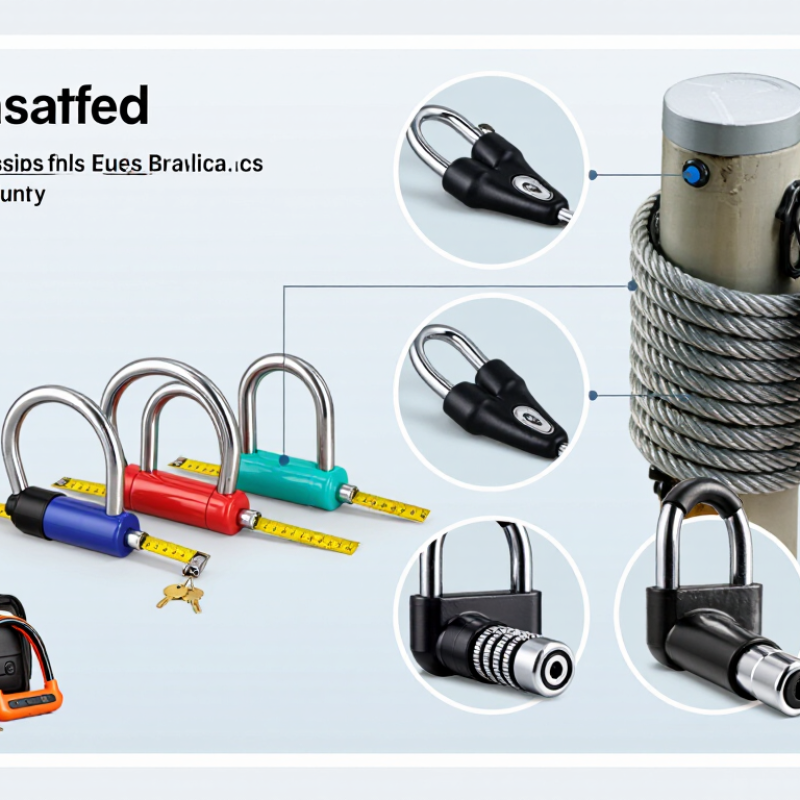
Choose a locking mechanism that suits your routine, not just the lock’s appearance. A keyed mechanism can be quick when you carry a key consistently, but a misplaced key creates friction at the rack. A combination mechanism avoids that extra item; select a code you can recall without writing it on the bike. Small details matter. If gloves make turning a dial awkward, test it before buying.
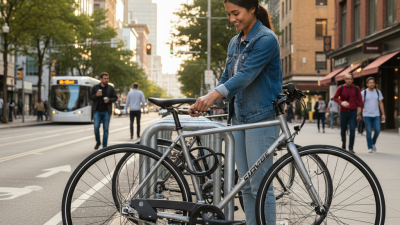
Cable reach should match the places you actually park. Measure around your frame, a wheel, and the rack or post, allowing enough slack to route the cable without forcing tight bends. A cable that barely closes can be frustrating, while excess length may drag or invite careless placement. Measure twice. Check the bike’s setup, too: a large frame or bulky accessories can change the route.
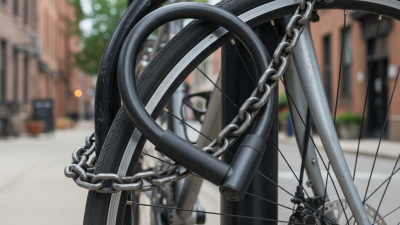
Cable locks are flexible, but flexibility should not be mistaken for equal protection in every setting. Consider how long the bike will be unattended and how exposed the parking spot is. In a busy, supervised area, a cable may help secure components or add convenience alongside a more substantial lock. For longer stops in isolated places, relying on a thin cable alone can be a poor trade-off. It is easy to focus on advertised thickness and overlook whether the cable can reach a solid anchor point without leaving the bike awkwardly positioned.
How to Choose the Best Cable Lock in 2026?
Match the lock’s reach to your bike and parking setup.
These are practical starting estimates, not fixed requirements. Measure the cable route around the bike and a secure rack, then allow a little slack. A key or combination mechanism is a matter of access preference; it does not change the reach needed.
Weigh Portability, Weather Resistance, Warranty, and Replacement-Key Support
A good cable lock should fit your routine, not just look tough on a shelf. Check its weight and coiled length against your commute: a bulky cable can snag inside a small frame bag. For security, compare independent test ratings, such as Sold Secure’s cycle-lock categories, rather than relying on cable thickness alone. A cable is convenient, but it can be a weaker choice for long, unattended stops. That trade-off matters.
Weather resistance deserves a closer look. IEC 60529 defines IPX4 testing for water splashes and IPX7 testing for temporary immersion up to one metre for 30 minutes. These ratings apply only when a lock has actually been tested and marked. A sealed keyway and corrosion-resistant components can help through wet winters, though neither guarantees years of trouble-free use. Warranty terms also vary: check whether they exclude rust, worn keys, or damage from freezing. Confirm that replacement keys are available, and that you can retain the key code after purchase. Small detail. Easy to forget.
Tips: Before buying, read the warranty and key-replacement process, not just the coverage length. Photograph the key code and store it separately. This is not perfect protection, but it may prevent a minor loss from becoming a lockout. Compare the maker’s stated weather claims with a recognized test standard; vague words like “all-weather” are hard to verify.