How to Choose the Best Bike Lock for Your Needs?
Choosing the best bike lock is crucial for every cyclist. According to a 2021 survey by the National Bicycle Dealers Association, 1.5 million bicycles are reported stolen each year in the U.S. This alarming statistic underscores the necessity of investing in a reliable bike lock. A quality bike lock can be a cyclist's best defense against theft.
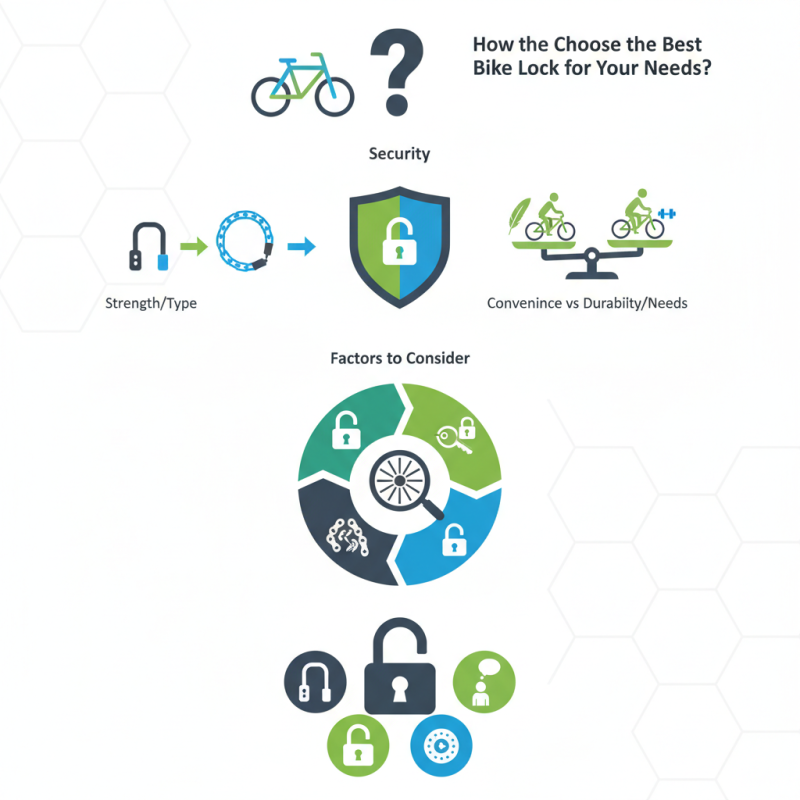
When selecting a bike lock, several key factors come into play. The type of lock, material strength, and locking mechanism are crucial. U-locks, for instance, are often more secure than chain locks. A study by the Cycling Security Association indicates that U-locks deter theft 65% more effectively than other types. However, it's important to recognize that no lock is completely foolproof.
Moreover, personal needs influence the decision. Commuters may prefer lightweight locks for easy transport, while mountain bikers might need heavier-duty options. Balancing convenience with security remains a challenge. Potential users should consider their specific situations and weigh the pros and cons of different models. Ultimately, selecting the right bike lock involves a thoughtful analysis of individual circumstances and security needs.
Understanding the Different Types of Bike Locks Available
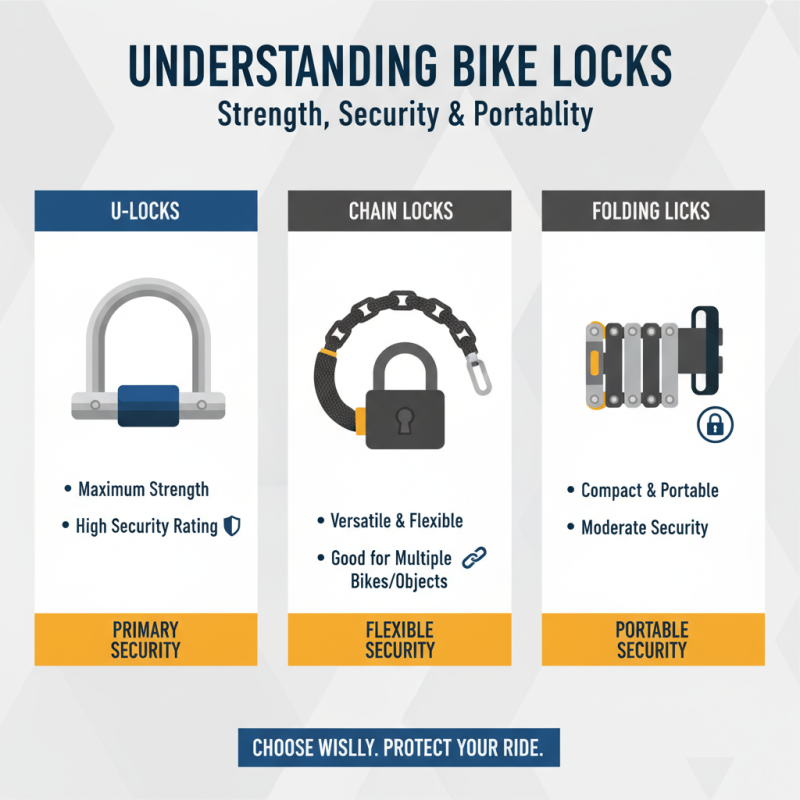
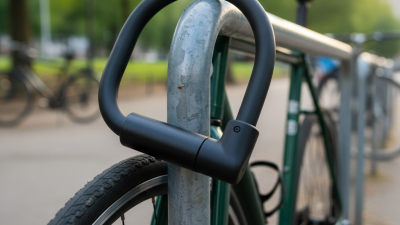
When selecting a bike lock, it’s critical to understand the options available. There are three main types: U-locks, chain locks, and folding locks. U-locks are known for their strength and durability. They often have a high-security rating, making them a popular choice among cyclists.
Chain locks offer flexibility in securing your bike. They can wrap around multiple objects. However, not all chain locks provide the same level of security. According to a report by the Cycling Security Association, around 73% of stolen bikes were secured with inadequate locks. This statistic highlights the importance of choosing a robust option.
Folding locks are compact and convenient, balancing portability with security. They are less bulky than chain locks and often provide decent protection. But, they tend to be more vulnerable than U-locks, posing a risk in high-crime areas. An ideal lock should fit your specific needs and environment. Assess your location’s crime rate and choose wisely; the right lock can make a significant difference.
Evaluating Security Levels: What Makes a Lock Secure?
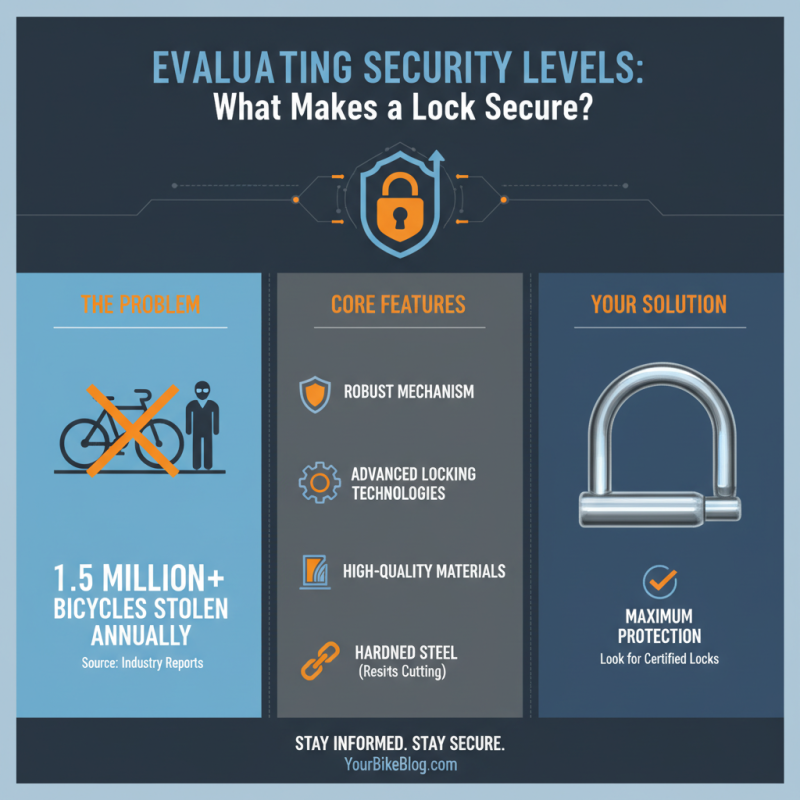
When evaluating bike locks, security levels are crucial. Not all locks provide the same protection. According to industry reports, around 1.5 million bicycles are stolen each year. This statistic highlights the need for a robust locking mechanism. A secure lock often features high-quality materials and advanced locking technologies. Look for locks made from hardened steel, as they resist cutting and tampering.
Consider the different types of locks available. U-locks are among the most secure options. They offer excellent resistance against break-in tools. Chain locks, when made from thick links, can also provide solid protection. However, lighter locks often compromise security for convenience. The cyclist's environment plays a key role in selecting the right lock.
Tips: Always check the security rating of a lock. Look for locks with an insurance coverage option. Additionally, think about your locking technique. A lock is only as secure as its user. Avoid locking your bike in isolated spots. Instead, choose well-lit areas with high foot traffic.
Factors to Consider Based on Your Riding Environment
When selecting a bike lock, consider factors like your riding environment. Urban areas often see higher theft rates. According to a 2022 report by the National Bike Registry, 40% of bike thefts occur in city settings. A sturdy lock is essential for urban cyclists. In contrast, rural areas may require less robust security, but it’s wise to remain cautious.
Tip: Always choose a lock made from hardened steel. This material can withstand cutting tools better than others. If you ride in a heavily populated area, using two different types of locks can deter thieves. A U-lock combined with a chain lock increases the effort required for theft.
The weather also plays a role. Locks exposed to rain can rust over time. Choose locks with a protective coating for added durability. For coastal areas, look for rust-resistant materials. These details make bike locks more reliable in harsh conditions.
Tip: Regular maintenance on your lock can prevent common problems. Clean and lubricate the keyhole to keep it functioning smoothly. Always check for signs of wear. A keen eye can prevent unexpected lock failures when you need them most.
Assessing Lock Portability and Ease of Use
When choosing a bike lock, portability is key. A lock that is easy to carry allows you to ride freely. According to a report by the National Bicycle Safety Board, 90% of cyclists prefer lightweight options. Heavier locks may provide more security. However, if they are cumbersome, many cyclists will avoid using them altogether. A D-lock might offer high security but can be a hassle to carry on rides.
Ease of use is equally important. A study by the Cycling Security Association found that 68% of bike thefts occur in areas where locks are not user-friendly. Locks that require multiple steps to secure may lead to mistakes. Look for locks with simple mechanisms that you can operate quickly. The right bike lock should allow you to spend more time riding and less time worrying about security.
Additionally, consider the locking mechanism. Some locks come with key systems, while others use combination codes. A key system might offer reliability but can be limiting if you misplace your keys. Meanwhile, combination locks may lead to frustration if you forget the code. Finding a balance between security, portability, and ease of use can be challenging, yet it's essential for everyday cyclists.
How to Choose the Best Bike Lock for Your Needs? - Assessing Lock Portability and Ease of Use
| Lock Type |
Weight (lbs) |
Portability (1-5) |
Ease of Use (1-5) |
Security Rating (1-10) |
| U-Lock |
3.5 |
4 |
3 |
9 |
| Chain Lock |
5.0 |
3 |
4 |
8 |
| Folding Lock |
2.8 |
5 |
4 |
7 |
| Cable Lock |
1.5 |
5 |
5 |
4 |
| D-Lock |
3.0 |
4 |
3 |
9 |
Tips for Properly Maintaining Your Bike Lock for Longevity
A good bike lock can be your best defense against theft. However, maintaining it is just as crucial. Research shows that nearly 50% of bike thefts occur due to inadequate security measures. Proper care can extend the lifespan of your bike lock significantly.
Regular cleaning is essential. Dirt and grime can interfere with the locking mechanism. Use a soft cloth and a mild cleaner to wipe the lock. Lubrication is equally important. Apply a silicone-based lubricant every few months. This prevents rust and ensures smooth operation. According to a study by the National Bike Registry, well-maintained locks deter theft.
Even the best locks can fail if not cared for. Inspect your lock regularly for signs of wear. Look for scratches, rust, or a malfunctioning keyhole. If noticed, take action immediately. A simple maintenance routine can enhance security and reduce replacement costs. Remember, neglect can lead to vulnerability. Secure your investment by giving your bike lock the attention it deserves.