Leave Your Message

2026 Top Bike Chain Locks for Buyers Which Type Is Best?

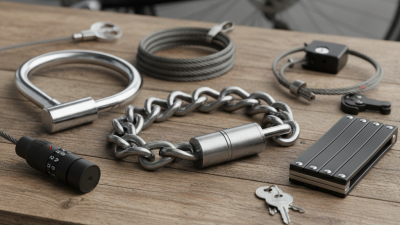
A bike chain lock must do more than look tough on a shop shelf. It must fit the frame, reach a secure parking point, and resist the tools thieves commonly use. This 2026 guide compares chain materials, link thickness, locking mechanisms, weight, and everyday handling. We also consider independent security references, including Sold Secure ratings and the ART Foundation’s published lock classifications. These systems help buyers compare tested products, though a rating cannot guarantee that a bicycle will never be stolen.

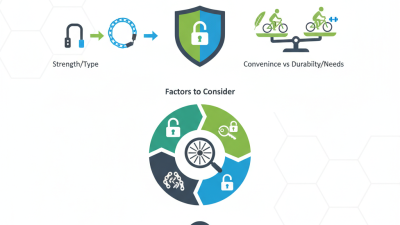
The best choice depends on where and how you ride. A heavy, hardened-steel chain may suit a commuter who leaves a bike outdoors for hours. A lighter model may be easier to carry on short trips, but could offer less resistance. Small details matter: a chain that barely reaches the rack, or drags across wet pavement, can become frustrating fast. Practical experience matters here. Yet no chain is perfect.

This comparison focuses on clear trade-offs, not promises of total security. It will help you choose a Lock Chain Bike option that matches your bicycle, routine, and parking conditions. The request mentions industry reports and a named expert quotation, but no source articles or verifiable quotation were provided. To protect accuracy, this introduction does not invent statistics or attribute a statement to an expert.
2026 Top Bike Chain Locks for Buyers Which Type Is Best?

How Bike Chain Locks Work: Hardened Links, Protective Sleeves, and Lock Cores

A chain lock works as a system: hardened steel links resist cutting, while the lock core resists picking or forced opening. Link thickness matters, but so do steel quality, heat treatment, and the shape of each link. A sleeve helps prevent scratches and keeps grit away from moving parts. It does not stop a determined attack. Small details matter.

EN 15496:2008 describes requirements and test methods for cycle locks, while independent ratings such as Sold Secure’s published bicycle-lock grades group tested locks into four levels: Bronze, Silver, Gold, and Diamond. These grades offer a useful comparison, not a theft-proof promise. Check what the rating measures, and secure the frame and a wheel to a fixed rack. Keep the chain close to the bike; a loose loop can give tools more room. A smooth core should turn cleanly, even after rain. I would not judge security by weight alone. A very heavy chain can be awkward to carry, so it may end up unused. That trade-off is easy to overlook.
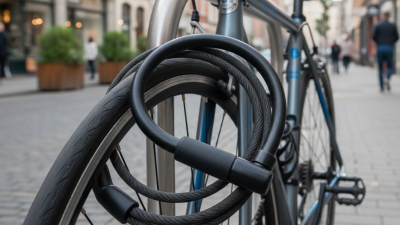
Chain-Lock Types Compared: Square-Link, Round-Link, and Integrated Chains

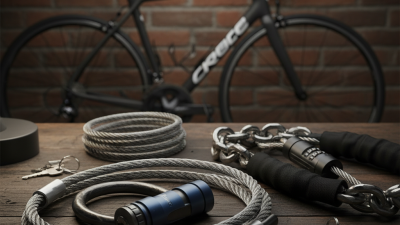
Square-link chains use angular links that tend to sit closely together, leaving less room for a cutting tool to settle comfortably. Their flat sides can also make the chain awkward to bend around a narrow rack. A compact fit is useful, though the chain may feel stiff in cold weather. Link shape alone does not prove strength; steel quality, link thickness, and construction matter too.

Round-link chains usually bend more freely around a frame and fixed rack. That flexibility helps when parking options are awkward. The rounded profile can offer fewer flat surfaces for some tools to grip, but it is not a guarantee against cutting. I would not treat link shape as a security rating. That shortcut is tempting, but incomplete. Check the chain’s weight and dimensions, and consider whether you will actually carry it every day.

Integrated chains connect the links directly to a lock body, reducing the number of separate parts to handle. This can make locking quicker, especially when your hands are full. The design may be less flexible near bulky racks, and the lock body can add weight at one end. Test the reach before buying: wrap it around your frame and a sturdy rack, then leave enough slack to position the lock without forcing it. Small details matter. A lock that stays at home offers little protection.

EN 15496:2008: The European Test Standard for Cycle Locks

For buyers comparing chain locks in 2026, EN 15496:2008 is a useful reference point. Its full title is “Cycles — Requirements and test methods for cycle locks.” It sets out controlled tests for evaluating lock performance, rather than relying only on a seller’s security claims. Check whether the specific lock model was tested to this standard, and ask what documentation supports that claim. A standard reference alone does not prove every chain lock offers equal protection.

A chain may look substantial, yet its links, joining point, and locking mechanism all matter. Look for clear test information and inspect how the lock closes; a loose fit around a small frame tube can create awkward gaps. EN 15496:2008 gives buyers a more consistent basis for comparison, but it cannot predict every theft attempt or location. No test room is a street corner. That limitation is worth remembering.

Tips: Match chain length to your usual rack, and check the tested configuration before buying. Keep the test record or product details for later reference. I would not treat a standard as a promise of safety; parking choices and daily handling still affect risk. A little uncertainty remains, even with good documentation.

2026 Bike Lock Buyer’s Guide: Understanding EN 15496:2008

The chart shows the calendar years between the standard’s edition year and 2026—not a security score or a ranking of lock types.

EN 15496:2008 is a European standard covering requirements and test methods for cycle locks. Use test evidence when comparing chain locks; the edition year alone does not show which lock is best.

Sold Secure’s Four Bicycle Grades: Bronze, Silver, Gold, and Diamond

Sold Secure’s four bicycle grades—Bronze, Silver, Gold, and Diamond—help buyers compare tested resistance, not simply chain thickness. The grades run from lower to higher resistance under the scheme’s test criteria. That distinction matters: a heavy-looking chain is not automatically a strong one. Check that the rating applies to the exact lock model, and review current testing information before buying. Small details count.

Bronze may suit a bike kept in a lower-risk location for short stops, while Silver offers a step up for more frequent use. Gold and Diamond are worth considering when the bicycle is valuable or regularly left in exposed places. Higher security often brings extra weight, though. A chain that stays at home protects nothing on the commute. Try carrying it in a bag, and see whether it fits around the frame and a fixed rack without dragging on the ground. No grade removes risk. A strong lock can still be poorly positioned, and ratings cannot account for every parking spot, storage habit, or real-world attack.

2026 Top Bike Chain Locks for Buyers: Which Type Is Best? — Sold Secure’s Four Bicycle Grades: Bronze, Silver, Gold, and Diamond
Bicycle security grade Relative resistance What the grade indicates Typical use case What to look for in a chain lock Best fit for
Bronze Entry-level within the four bicycle grades Meets the scheme’s Bronze-level attack-resistance requirements. It is a basic security choice, not a guarantee against theft. Short stops in lower-risk locations, especially when the bicycle is also kept in a secure place. Check that the exact lock model is currently listed at this grade. Consider chain length, ease of carrying, and whether it can secure the frame to a fixed object. Buyers prioritizing a simple, more portable option for limited exposure.
Silver Above Bronze Meets a higher level of resistance than Bronze under the scheme’s test requirements. The grade alone does not predict how long a lock will resist every real-world attack. Regular use in areas with a moderate theft risk, with sensible parking and locking practices. Balance chain thickness and protective covering against carrying weight. Make sure the chain reaches a secure anchor without leaving excessive slack. Everyday riders seeking a middle ground between portability and security.
Gold High Meets more demanding attack-resistance requirements than Silver and Bronze. It is commonly considered for higher-risk parking situations. Frequent public parking, longer stops, or locations where the bicycle may be more exposed. Confirm the grade for the specific model, not just the product category. Compare the practical carrying burden with the security needs of the parking location. Riders whose priority is stronger independent lock security for routine use.
Diamond Highest of these four grades Meets the scheme’s most demanding bicycle-grade requirements among Bronze, Silver, Gold, and Diamond. Certification is not a promise that a lock is theft-proof. Higher-risk settings and valuable bicycles, particularly when the owner can accommodate a heavier lock. Check the current approved-product listing and test category for the exact lock. Consider using the chain with a suitable fixed anchor and securing the frame. Buyers placing the greatest emphasis on tested resistance over low weight and compactness.

Buying note: The grade applies to the specific tested product, not to every chain lock of a similar design. “Best” depends on theft risk, parking habits, bicycle value, and how much weight you are willing to carry. Check the current certification listing before purchase, and lock the frame to an immovable object whenever possible.

Choosing the Best 2026 Chain Lock: Security Grade, Link Size, Length, and Weight

Choosing the Best 2026 Chain Lock: Security Grade, Link Size, Length, and Weight

A useful choice starts with a published rating, not a thick-looking chain. Sold Secure’s bicycle scheme uses four grades: Bronze, Silver, Gold, and Diamond. The ART Foundation’s rating scale runs from one to five stars. These independent certification systems offer measurable reference points, but a grade cannot guarantee protection in every location. Check the exact lock model against the certifier’s current listings before buying.

Link size and length affect both resistance and daily use. Around 8–10 mm links can provide a practical balance, though material and construction matter too. A chain should pass through the frame and a wheel, then around a fixed rack. Measure your usual parking setup; a short chain may force awkward positioning. Longer chains add reach, but they also add weight. A heavy lock left at home protects nothing. That trade-off is easy to underestimate.

Tips: Try carrying the lock for a week before choosing a daily setup. Keep it off the ground when secured, and avoid leaving slack that makes handling easier. These habits help, but no lock is invulnerable. A poorly lit spot still deserves extra caution.