2026 How to Choose the Best Cycle Lock for Your Bike?
Choosing the right cycle lock is crucial for every cyclist. As Dr. Alex Tanner, a well-known expert in cycling safety, once stated, "A robust cycle lock is an investment in peace of mind." With the increasing number of bike thefts, selecting a reliable cycle lock can be daunting.
Many cyclists focus solely on price, but this can lead to costly mistakes. Opting for a cheap lock might save money initially, but it often offers minimal security. Instead, consider the lock’s design and certification. Look for brands with a solid reputation in the bicycle community.
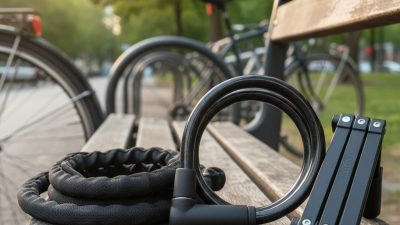
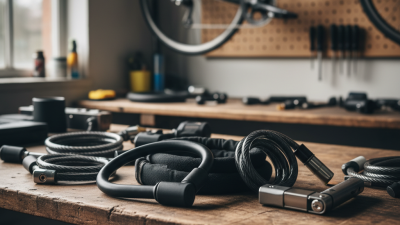
Additionally, the variety of cycle locks can confuse even seasoned riders. U-locks, chain locks, and folding locks all serve different purposes and levels of security. It’s wise to reflect on your unique needs and riding environment. A well-chosen cycle lock can protect your bike and enhance your cycling experience. The right choice does not just prevent theft; it fosters confidence in your rides.
Understanding the Different Types of Cycle Locks Available
When it comes to cycle locks, understanding the different types is crucial for protecting your bike.
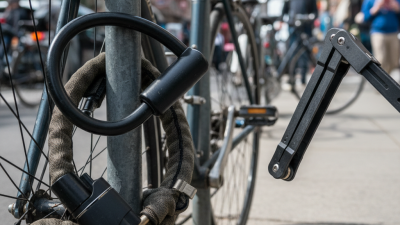
U-locks are popular choices, known for their sturdy design. They resist cutting tools and are often
compact. A high-quality U-lock can secure your bike to fixed objects effectively. However, the size of
the U-lock matters. If it's too small, it may not fit around all bike frames or the objects you choose
to lock it to.
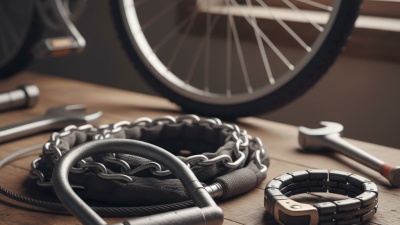
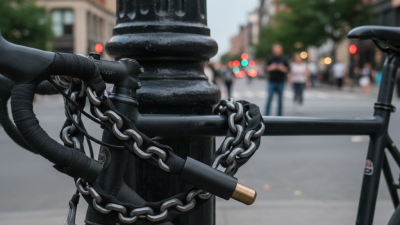
Chain locks offer a different approach.
They are flexible and can wrap around various objects. This flexibility can be beneficial, but it
comes with a trade-off. Many chain locks are heavier than U-locks, which can be a hassle during
transport. Additionally, some chain locks are vulnerable to bolt cutters, especially if they are
not thick enough. Consider the weight and thickness when choosing a chain lock.
Cable locks provide lightweight options. They can easily secure wheels or accessories. While they
are convenient, they often lack the security needed for long-term bike storage. Thinner cables
can be cut quickly, leaving your bike vulnerable. If you frequently park your bike in high-risk areas,
relying solely on a cable lock might not be wise. Each type of lock has its drawbacks, so weigh your
options carefully based on where and how often you ride.
Evaluating Security Levels: What Makes a Lock Effective?
When choosing a cycle lock, security levels are paramount. An effective lock combines material strength, locking mechanism, and design. According to a 2021 report by the Bicycle Theft Prevention Society, over 1.5 million bicycles are stolen annually in the U.S. alone. This statistic emphasizes the need for robust protection against theft.
Material choice influences a lock's resistance to tampering. High-strength steel locks are typically more secure than lighter metals. Moreover, U-locks and chain locks tend to offer better protection compared to cable locks. A study from the Journal of Transport and Security found that U-locks deter thieves effectively due to their sturdy design.
While many cyclists rely on their locks, awareness is crucial. Some assume their lock is theft-proof, leading to complacency. However, reports show that nearly 70% of bike thefts occur with a simple cut or combination bypass. It’s clear that no lock is invulnerable, but an informed choice based on security levels can significantly reduce the risk.
Assessing Lock Materials and Durability for Longevity
When selecting a cycle lock, material choice significantly affects its durability. High-quality locks often use hardened steel or composite materials. These materials resist cutting and drilling better than traditional iron. A 2021 study by the Bicycle Security Institute noted that locks using boron steel have increased resistance to tampering. Properly assessing these materials is crucial for ensuring your bike’s safety.
Durability goes beyond just material strength. Environmental factors also play a role. Locks exposed to moisture can rust, weakening their structure over time. Choose locks with corrosion-resistant coatings. Research from the Cycling Safety Coalition found that 30% of stolen bikes were inadequately secured due to poor lock materials. This statistics drive home the necessity of selecting a durable option.
Consider ease of use alongside durability. A lock that’s too heavy may discourage regular use. Conversely, lighter locks may not offer the same strength. Achieving the right balance is essential. Many cyclists underestimate the importance of durability. Remember, a cheap lock often costs more in the long run. It’s a compromise worth reflecting upon.
Considering Portability and Ease of Use for Everyday Biking
Choosing a cycle lock for daily biking requires attention to portability and ease of use. Riders often seek lightweight options that can easily fit into a backpack or mount securely on the bike. According to a survey by the National Bicycle Dealers Association, 45% of cyclists prioritize weight and size when selecting a lock. This reflects a clear need for convenience in everyday riding.
When selecting a lock, consider a compact folding design. These locks often weigh less than a pound and can fold into small, manageable sizes. It’s worth noting that while they may seem less secure, many folding locks are rated highly for durability and resistance to cutting techniques. However, bear in mind that highly portable locks may sacrifice some security features. Always check for security ratings on individual models.
Tips: Look for locks with unique key designs. These are harder for thieves to replicate. A combination lock can be convenient, but remember that forgetting the code can lead to frustration. Assess your route and parking conditions to choose the right level of security without compromising on ease of transport.
Budgeting: How Much to Spend on a Quality Cycle Lock
When considering the purchase of a cycle lock, budgeting is crucial. Quality locks come at various price points. You might find basic locks for under $20, while high-security options can exceed $100. This broad range reflects differences in materials and security features.
Spending a bit more can significantly enhance your bike's safety. A good lock often includes hardened steel and anti-pick mechanisms. In contrast, cheaper options may be easy to cut or break. Think about your bike's value. If it’s a premium model, investing in a reliable lock is wise. You may feel tempted to save money but reflect on the potential loss.
Remember, a lock is only as good as its usage. Even the best locks won’t protect your bike if not used correctly. Ensure you secure both the frame and wheels. Consider how often you leave your bike unattended. In busier areas, a heavy-duty lock is a better choice. Evaluate your riding habits wisely and invest accordingly.