Leave Your Message

10 Best Disk Locks for Global Buyers?

Choosing the right Disk Lock is not simply a matter of comparing prices. Global buyers face different weather, transport conditions, security expectations, and maintenance habits. A lock used beside a humid coastline needs stronger corrosion resistance than one stored indoors. A motorcycle parked on a crowded city street needs a visible deterrent and dependable locking action.

Security author and physical-security consultant Marc Weber Tobias has often stated, “There is no such thing as a pick-proof lock.” That warning deserves attention. A quality Disk Lock should delay tampering, resist common attacks, and remain practical for daily use. This guide examines shackle hardness, disc thickness, locking mechanisms, key control, alarm options, weather sealing, and portability. Small details matter.

The ten products selected for global buyers are not ranked by appearance alone. We consider independent testing, manufacturer transparency, warranty support, replacement-key availability, and real-world handling. A heavy lock may look impressive, yet become inconvenient after a week of use. A compact model may travel easily, but offer less resistance against force. That trade-off is easy to overlook. No ranking is perfect, because local security needs vary and product batches can change. Still, careful comparison can reduce expensive mistakes. The goal is not to promise absolute protection. It is to identify dependable Disk Lock choices that balance security, durability, usability, and long-term value across different buying environments.
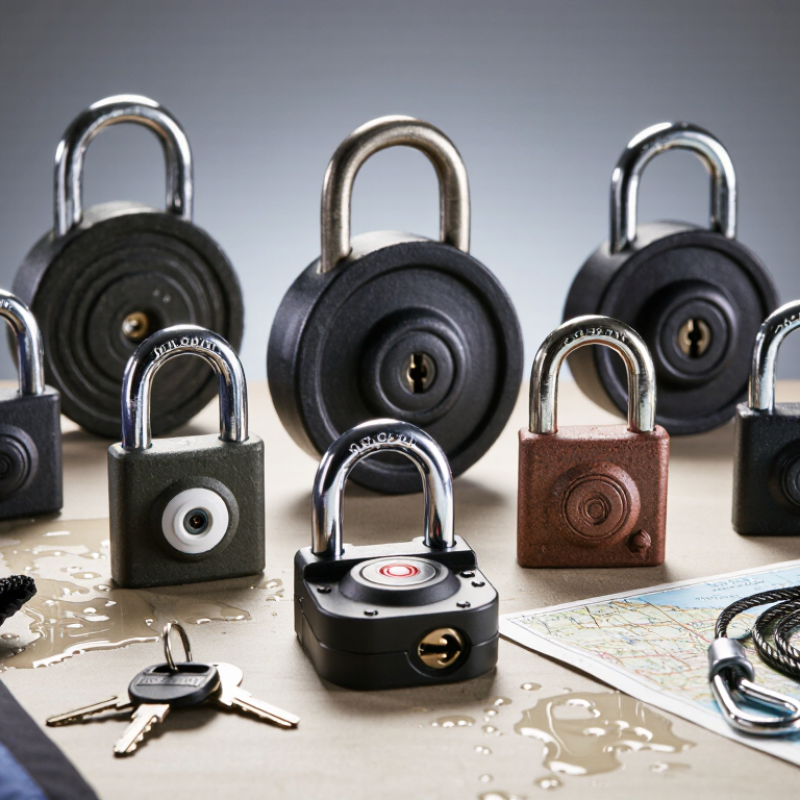
10 Best Disk Locks for Global Buyers?

What Makes a Disk Lock Suitable for Global Buyers

What Makes a Disk Lock Suitable for Global Buyers

A suitable disk lock should perform reliably across different climates, transport conditions, and daily routines. Look for hardened steel, protected internal parts, and a corrosion-resistant finish. These details matter in coastal cities, where salt air can attack exposed metal. A covered keyway also helps reduce dust and rain entering the cylinder. Small design choices matter.

Global buyers should check the lock’s dimensions before ordering. The shackle must fit the vehicle’s brake disc opening without excessive movement. Weight matters too, especially when the lock is carried in a compact tool bag. Clear instructions, duplicate keys, and consistent quality checks improve the ownership experience. Security ratings can be useful, but rating systems vary by market, so buyers should read the testing method rather than trust a number alone. Availability of replacement keys and a practical warranty can prevent costly delays.

Tips: Confirm measurements with a product drawing. Ask about salt-spray testing and operating temperatures. Check whether the packaging protects the lock during long-distance shipping. A simple reminder tag or bright color can reduce the chance of leaving the lock installed. Do not rely on appearance alone. A heavy lock may feel reassuring, yet poor cylinder protection can weaken its real value. No product is perfect, and buyers should review maintenance needs, key control, and local service access before choosing.
Key Features to Compare in Disk Lock Design and Security

Choosing a disk lock for international use requires more than a thick body. The locking mechanism, shackle coverage, and weather resistance shape daily security. A hardened steel body can resist cutting better, but material claims need independent testing. Look for a protected shackle opening. It leaves less metal exposed to tools. Key control also matters. A smooth keyway may collect dust near loading areas or coastal roads. I have found that small drainage paths help after rain, although poor finishing can weaken the housing. Details matter.

Compare security features by asking how they work together. A closed shackle design limits access, while anti-drill plates can protect the cylinder. A sealed cover reduces grit. It is not magic. Check tolerances, corrosion testing, and resistance to repeated impacts. Weight can suggest robust construction, but it does not prove quality. The lock should fit the hasp or wheel opening without forcing it. A tight fit reduces movement. An awkward fit encourages users to leave it unsecured. That practical failure is easy to overlook.

Tips: Request material specifications, test reports, and clear maintenance instructions from the supplier. Confirm dimensions with a real photograph or measurement, not a catalog sketch. Ask whether keys can be managed across multiple units. Keep spare keys controlled. Inspect the lock after several weeks outdoors. Look for rust, sticking, or unusual play. I would not trust a security rating without knowing the test method. Ratings can sound impressive yet remain difficult to compare across markets. That deserves a second look.

Top Disk Lock Types for Motorcycles, Scooters, and Bicycles

For motorcycles and scooters, disc locks usually fall into three useful types: compact pin locks, alarmed locks, and chain-compatible models. Pin locks fit through a brake rotor hole, making them light and easy to carry under a seat. Alarmed versions add a sharp warning sound when movement is detected. A chain-compatible lock works better overnight, especially when securing the frame to a fixed object. Check rotor-hole diameter carefully. Small errors matter.

For bicycles, a disc lock is often unsuitable because many bicycles lack brake rotors. A hardened U-lock or compact folding lock usually protects the frame more effectively. The 2024 UK Office for National Statistics estimated about 77,000 bicycle theft incidents in England and Wales. That figure supports using a lock that secures the frame, not only the wheel. For scooters with narrow rotors, measure clearance before buying. A thick locking pin may not fit.

Weather resistance deserves equal attention. Look for sealed keyways, corrosion-resistant steel, and tested cutting resistance. Independent schemes such as Sold Secure and ART publish security ratings that help buyers compare products across markets. These ratings are useful, but they do not replace careful installation. A lock touching the ground gives thieves leverage. Keep it suspended if possible. No lock is magic. I find alarm ratings difficult to compare because testing conditions vary between sellers. Buyers should check the test method, warranty terms, spare-key process, and regional certification before ordering.

10 Best Disk Locks for Global Buyers: Top Lock Types for Motorcycles, Scooters, and Bicycles

This comparison shows the typical availability of practical features across common disk-lock categories. A value of 1 means the feature is commonly available in that lock type, while 0 means it is generally uncommon. Actual specifications vary by model, so buyers should verify pin diameter, disc-hole compatibility, alarm certification, and weather resistance before purchase.

How to Evaluate Materials, Alarms, Weather Resistance, and Portability

For global buyers, a disk lock should be judged by its construction, not its packaging. Hardened steel usually resists cutting better than soft alloys. Stainless steel can offer useful corrosion resistance, but it is not automatically stronger. Check the lock body, shackle, keyway cover, and internal fasteners. A compact body with a protected shackle leaves fewer exposed surfaces. That matters in crowded storage areas and outdoor parking spaces.

Alarm features need careful testing. A loud siren may attract attention, but sensitivity can become a weakness. Excessive sensitivity may trigger false alarms from wind, vibration, or accidental contact. Look for adjustable motion detection, clear battery warnings, and a manual override that does not compromise security. Test the alarm before regular use. Annoying alarms are often ignored.

Weather resistance is more than a water-resistant label. Look for sealed joints, covered keyways, drainage paths, and corrosion-resistant springs. In humid coastal regions, salt can damage exposed metal quickly. In cold climates, moisture may freeze inside the mechanism. Portability also deserves practical attention. A lock should fit inside a small bag without adding unreasonable weight. However, ultra-light designs may sacrifice body thickness or battery life. That trade-off is easy to overlook. Compare dimensions, weight, operating temperature, and replacement battery access. No lock is perfect. The best choice matches the buyer’s storage conditions, travel habits, and tolerance for maintenance.

10 Best Disk Locks for Global Buyers? — How to Evaluate Materials, Alarms, Weather Resistance, and Portability
Rank Disk-Lock Configuration Best Use Core Material Locking Pin / Shackle Alarm Function Weather Resistance Approx. Weight Portability Key Evaluation
1 Compact hardened-steel alarm disk lock Motorcycles and scooters used in cities Hardened alloy-steel body with stainless-steel components 10 mm hardened locking pin; pin diameter should match the brake-disc hole Built-in motion and shock alarm, typically 100–120 dB; silent mode may be available Look for a sealed alarm compartment and corrosion-resistant keyway; suitable for normal outdoor use About 0.8–1.2 kg High; usually includes a small carrying pouch Best balance of security, alarm visibility, and everyday carry. Confirm that the pin fits the disc before purchase.
2 Heavy-duty stainless-finish disk lock Long-term outdoor parking and coastal climates Hardened steel core with stainless or anti-corrosion outer treatment 12–14 mm hardened locking pin Usually no alarm; some versions use a replaceable electronic module Strong corrosion resistance when the lock has a covered keyway and drainage openings About 1.3–2.0 kg Medium; robust but noticeably heavier Prioritize coating quality, internal corrosion protection, and drainage over appearance alone.
3 Weather-sealed smart disk lock Users who prefer phone-based access Hardened steel locking body with reinforced polymer electronics housing 8–10 mm hardened pin; electronically released App alerts, movement notifications, and optional local siren depending on configuration Choose an enclosure rated at least IP54; IP65 is more suitable for frequent rain exposure About 0.7–1.1 kg High, but depends on battery and phone availability Check regional app support, Bluetooth range, battery replacement, offline unlocking, and emergency override options.
4 High-visibility disc brake lock with reminder cable Daily riders who want to prevent accidental riding while locked Hardened steel body with bright protective coating 5–10 mm locking pin, depending on disc-hole clearance Optional vibration alarm; reminder cable is normally non-security equipment Moderate to good resistance when the keyway has a dust cover About 0.5–0.9 kg Very high; compact and easy to store under a seat The bright color improves visibility, while the reminder cable reduces the risk of wheel or caliper damage.
5 Extra-large motorcycle disk lock Large motorcycles with thick brake discs Hardened alloy steel with a reinforced outer housing 14–16 mm locking pin; verify clearance around the caliper and rotor Usually mechanical only; alarm versions are heavier Good outdoor durability if protected against water ingress and treated for rust resistance About 1.5–2.4 kg Medium to low; best carried in a dedicated storage compartment Offers greater resistance to cutting, but size and weight can make it unsuitable for smaller scooters.
6 Compact puck-style disk lock Scooters, bicycles with compatible disc brakes, and short stops Hardened steel puck body with a protected internal mechanism 5–8 mm locking pin Generally no alarm; some compact models use a simple vibration sensor Good splash resistance when fitted with a rubber keyway cover About 0.4–0.8 kg Excellent; fits easily into a jacket pocket or small bag Convenient and light, but the smaller pin and body may provide less cutting resistance than heavy-duty designs.
7 Dual-sensor alarm disk lock Parking in busy public areas where tampering alerts are useful Hardened steel body with sealed electronics and replaceable batteries 10–12 mm hardened pin Two-stage warning and alarm system, commonly around 100–120 dB; sensitivity should be adjustable Look for a sealed battery compartment, protected speaker opening, and corrosion-resistant fasteners About 0.9–1.4 kg High to medium; alarm hardware adds bulk A useful alarm should resist false triggers while still detecting repeated impacts and movement.
8 Key-rekeyable professional disk lock Fleets, rental operations, and buyers managing multiple locks Hardened steel body with a serviceable cylinder and protective cover 10–14 mm hardened pin No alarm; focuses on mechanical key control Good resistance when the cylinder is sealed and the body has anti-corrosion treatment About 0.9–1.8 kg Medium; may be supplied with a compact key-management system Evaluate duplicate-key availability, master-key options, cylinder serviceability, and long-term parts support.
9 Extreme-weather covered disk lock Rainy, dusty, cold, or high-humidity environments Hardened steel core, weatherproof polymer cover, and corrosion-resistant internal parts 8–12 mm hardened pin Usually no alarm; some versions include a sealed vibration alarm Prefer IP65-rated electronic housing where applicable, sealed keyway, low-temperature lubricant compatibility, and drainage About 0.8–1.5 kg Medium to high Weather protection should cover the cylinder, battery compartment, seams, and speaker—not only the external shell.
10 Value-oriented universal disk lock Budget-conscious buyers with basic security needs Hardened steel body with a standard protective coating 6–10 mm locking pin May include a basic motion alarm; alarm quality varies considerably Suitable for occasional outdoor use; regular cleaning and light lubrication are recommended About 0.5–1.0 kg High Compare actual steel thickness, pin diameter, keyway protection, battery access, and warranty terms rather than price alone.

International Buying Factors: Standards, Compatibility, Price, and Support

Choosing among the 10 best disk locks for global buyers requires more than comparing metal thickness. Standards, compatibility, price, and support can change the real value of a lock.

Check which testing standard applies to the product and market. A certificate should show the issuing body, test scope, and valid product model. Marketing phrases alone prove little. Requirements may differ between regions, so confirm details with the seller or an independent testing source.

Compatibility is equally practical. Measure the brake disc hole, thickness, available clearance, and lock-pin diameter. A strong lock is useless if the pin cannot enter the disc. Measure twice.

Small differences matter.

Price should include shipping, taxes, import fees, spare keys, and possible replacement parts. A low listing price may become expensive after delivery. Currency changes can also affect purchasing budgets.

Support deserves careful attention. Look for clear manuals, warranty conditions, key replacement procedures, and a reachable service channel in your language or time zone. Response promises should be specific, not vague.

Some buyers focus too heavily on security ratings and overlook daily handling. A lock that is difficult to carry may stay at home. That is a design failure, not only a user failure. Reviewers should also admit uncertainty: online specifications can contain errors, and independent measurements are not always available. Comparing verified documents with real dimensions creates a more reliable international buying decision.