Top 10 Bike Helmet Locks Buyer Guide for Global Traders?
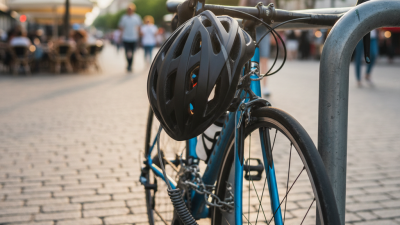
In the world of cycling, safety and convenience are paramount. A reliable lock for bike helmet is an essential accessory for cyclists. It allows riders to secure their helmets when they step away from their bikes, providing peace of mind. The increasing popularity of cycling brings new challenges for cyclists, especially in urban settings. Theft is a genuine concern, and a quality helmet lock can protect your investment.
Choosing the right lock for bike helmet involves understanding various options. Some locks are lightweight and portable, while others are more robust and secure. The right choice depends on individual needs and circumstances. It is crucial to weigh factors such as durability, ease of use, and security features.
However, not all locks are created equal. Some may not withstand tampering, leading to regrets later. Investing time to research products is vital. Exploring user reviews and expert opinions will guide you to make an informed decision. With numerous options available, finding the best lock for your bike helmet can seem daunting. But with careful consideration, you can select a solution that meets your needs and enhances your cycling experience.
Understanding the Importance of Bike Helmet Locks for Security
When it comes to bike security, helmet locks are often overlooked. A sturdy helmet lock offers peace of mind. It can prevent theft of your helmet while you step away from your bike. This is especially essential in urban areas. Many bike thieves target accessories like helmets. Choosing the right helmet lock can make a significant difference.
Tips for selecting the right helmet lock include checking the material. Opt for locks made of hardened steel. This enhances durability and resistance against cutting tools. Also, consider the size and weight. A compact lock is easier to carry and store. Ensure it integrates well with your existing bike security system. A lock without a proper integration might not provide adequate protection.
It's crucial to reflect on your needs. A more expensive lock doesn’t always equal better security. Evaluate how much you are willing to invest. Sometimes, a simpler and reliable lock can suffice. The key is to maintain awareness and stay vigilant. Your bike accessories, including the helmet, deserve the same level of protection as your bike.
Key Features to Consider When Selecting a Bike Helmet Lock
When selecting a bike helmet lock, several key features deserve your attention. Security level is paramount. Look for locks made from hardened steel. A lock with multiple locking mechanisms adds an extra layer of protection. Weight matters too; lighter locks are easy to carry yet may compromise security. Heavier options might deter thieves more effectively.
The design is another important factor. Consider a lock that fits your helmet comfortably. A good lock should be easy to attach and detach quickly. Waterproof materials can protect against weather damage. Durability and weather resistance are vital for long-term use. Also, think about the ease of use. A complex lock might frustrate you when you're in a rush, leading to potential safety risks.
Reflect on your biking habits. If you often leave your helmet unattended, investing in a high-security lock is wise. Regularly inspect your lock for wear and tear. Many overlook this step, thinking their lock is as good as new. Remember, a safe helmet lock is an investment in your peace of mind.
Comparative Analysis of Different Types of Bike Helmet Locks
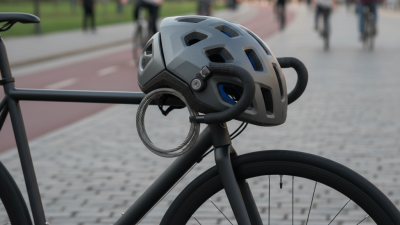
When choosing a bike helmet lock, understanding the various types is essential. Different designs offer unique advantages. For example, U-locks provide strong, sturdy protection. They resist cutting and prying, making them popular among cyclists. However, they can be bulky and may not fit all helmets easily.
Cable locks are lightweight and flexible. They allow for easy storage in your bag or bike frame. Yet, they offer less security than U-locks. Thieves can cut through cables with relative ease. Some users may find themselves regretting the decision to prioritize convenience over safety.
Combination locks offer a mix of features. They eliminate the need for keys but can be challenging to set. If the mechanism jams, users may end up locked out. That frustration can lead to delayed rides. On the other hand, disc locks act as a deterrent. They attach to the brake rotor, preventing the bike from moving. However, they require constant checking to ensure they are in place. Each type has its pros and cons. Finding the right lock is about balancing security and usability.
Top 10 Bike Helmet Locks Comparative Analysis
Top Brands and Models Recommended for Global Traders
When choosing bike helmet locks, global traders should focus on trusted brands. A recent market report shows that 40% of cyclists use locks as a primary safety tool. It's crucial to ensure these locks are durable and reliable, as a weak lock can lead to theft.
Some models are equipped with advanced security features. For instance, locks with a dual-locking mechanism can deter thieves effectively. Statistics indicate that bicycles are stolen every 30 seconds globally. Therefore, selecting high-quality locks can make a significant difference. The ease of use also plays a vital role in decision-making. Users often prefer lightweight locks that can be easily attached to helmets.
Another factor worth considering is portability. Traders should look for designs that can fit in a backpack or easily clip onto bike frames. Studies show that user satisfaction significantly increases with lightweight and compact designs. This can help in maintaining proper security without burdening the rider. However, many users overlook the importance of checking security ratings, which may affect overall lock effectiveness.
Maintenance Tips for Prolonging the Life of Bike Helmet Locks
Maintaining bike helmet locks is crucial for their longevity and performance. A well-maintained lock can last up to 10 years, as per industry studies. However, neglecting simple maintenance can reduce this lifespan significantly. Regular cleaning is essential. Dirt and grime can cause rust and affect locking mechanisms.
Using a dry cloth to wipe down the lock after each ride can prevent buildup. Ensure the locking mechanism is lubricated periodically. A light lubricant helps maintain smooth operation and prevents sticking. Many riders underestimate the impact of weather. Extreme conditions can shorten your lock’s life. Storing your helmet and lock in a dry place protects against rust.
Moreover, inspecting your lock regularly is a step often overlooked. Look for signs of wear or damage. Minor issues can escalate into serious problems. An overlooked crack could lead to lock failure. Industry reports indicate that nearly 30% of lock failures are linked to lack of maintenance. Prioritizing these small tasks ensures your bike helmet lock performs efficiently for years.