What is the Best Bike Lock for Security and Durability?
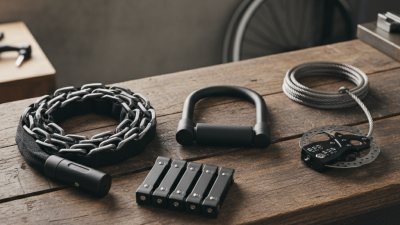
When it comes to protecting your bike, choosing the right bike lock is crucial. A high-quality bike lock not only secures your investment but also promotes peace of mind. Various types exist, from U-locks to chain locks, each offering unique benefits. Finding a balance between security and durability can be challenging.
Consider the materials used in bike locks. Advanced materials like hardened steel enhance strength, resisting cutting tools. However, not all locks are created equal, and many fall short of their claims. It’s essential to evaluate the features each bike lock offers. Look for factors such as weight, portability, and locking mechanism intricacies.
Security standards can vary widely. Some locks receive higher ratings from organizations, indicating their reliability. Yet, some low-rated locks might still be popular due to affordability. This raises a question: Is it worth compromising on quality? Your bike deserves better than that. Prioritize security and durability when choosing a bike lock. After all, the right choice protects not just your bicycle, but also your freedom to ride without worry.
Understanding Bike Lock Security: Key Factors to Consider
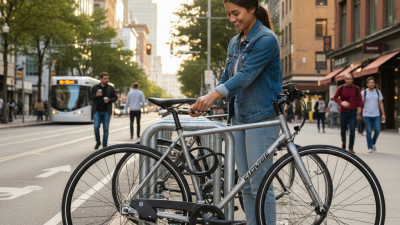
When choosing a bike lock, security is paramount. A recent study by the
National Bicycle Dealers Association revealed that bike theft is most
common in urban areas. Over 70% of stolen bikes are taken in public spaces. Selecting a sturdy lock is
essential for protecting your investment.
Several key factors influence a lock's security level. The material used is critical. High-quality steel is recommended for durability.
U-locks are generally considered more secure than cable locks. They resist cutting and leverage attacks more
effectively. A study by the Bureau of Justice Statistics found that the type of lock used directly
correlates with theft rates.
Another important aspect is the lock's rating. Look for locks that meet grade standards set by security organizations.
These ratings provide valuable insights into a lock's resistance against various theft methods. Security experts suggest
combining two different types of locks for enhanced safety. However, while many locks claim high security, no lock is
completely theft-proof. Reflection on your locking habits and environments is crucial for long-term security.
Types of Bike Locks: A Comprehensive Overview
When considering bike locks, it's crucial to understand the different types available.
U-locks are known for their strength and resistance to cutting tools. A study by the
National Bicycle Dealers Association shows that nearly 80%
of stolen bikes were taken with inferior locks. U-locks often deter thieves due to their robust design and heavy materials.
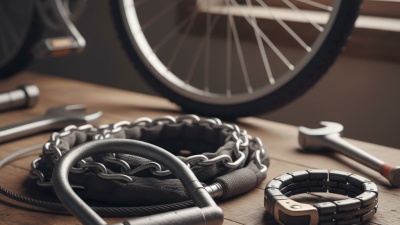
Chain locks provide flexibility, allowing you to secure your bike to various objects. However, their durability heavily
depends on the quality of the chain. A report from the Bicycle Security Society
indicates that cheaper chain locks can be easily compromised, leaving your bike vulnerable. Investing in a higher-quality
chain lock can provide significant security advantages.
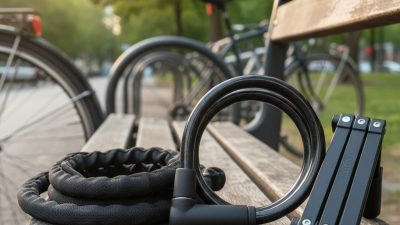
Cable locks are lightweight and easy to carry but offer the least resistance
against theft. According to data from the Bicycle Theft Prevention Coalition,
cable locks are often cut in under 10 seconds. While they’re convenient, they should be used in low-risk areas, as they
do not provide adequate security against determined thieves.
Evaluating Durability: Materials and Construction in Bike Locks
When evaluating bike locks, durability is key. A lock must withstand various weather conditions and resist tampering. Look for locks made from hardened steel or reinforced materials. These materials tend to offer better protection against cutting and prying attacks. The construction quality also plays a vital role. Well-designed locks have fewer weak points.
Tips: Always check if the lock has a protective coating. It helps resist corrosion and wear. A cover can enhance durability, especially against rain or snow. Examine joints and locking mechanisms for sturdiness. Poorly constructed areas often become the weakest link.
Visualize scenarios; think about what a thief might do. Locks that are thicker or incorporate multiple locking points often deter casual thefts. Choose a lock with a high-security rating, as it indicates reliable construction. Additionally, consider locks with mechanisms that are less familiar to potential thieves. Security is not just about the material; it's also about how the lock functions in real-life situations.
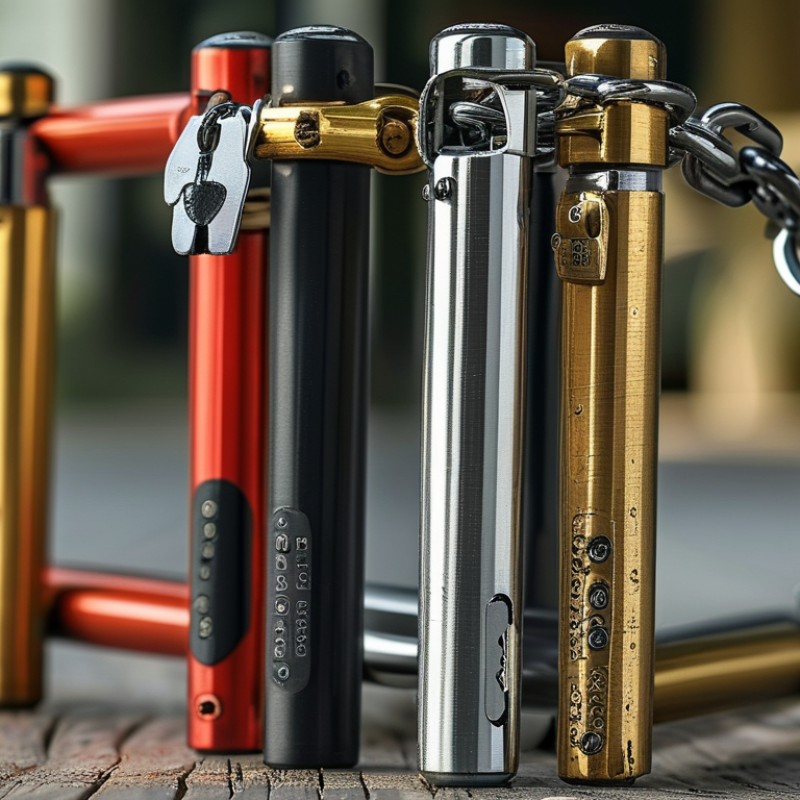
Bike Lock Security and Durability Comparison
Top Features of High-Security Bike Locks: What to Look For
When choosing a high-security bike lock, several key features should be considered to ensure durability and protection. Material is paramount; look for locks made from hardened steel or reinforced chains. These materials resist cutting and can withstand significant force. According to a recent report by the Bicycle Security Institute, over 70% of stolen bikes were secured with subpar locks. This illustrates the crucial impact of investing in robust options.
Another important factor is the locking mechanism. U-locks and heavy-duty chain locks typically offer superior security due to their design. Choose locks with additional features like anti-pick technology and dials instead of keys for enhanced safety. The same study highlighted that locks with complex mechanisms deter theft attempts by 50% more than standard locks. An often-overlooked aspect is weight; while heavier locks offer more security, they can be cumbersome. Balance your needs.
Regular maintenance is essential. Inspect your lock for wear regularly. Rust or damage can weaken its effectiveness. A good lock can still fail due to lack of care. Finding the right balance between security features, usability, and maintainability is key. This way, cyclists can feel confident that their investment is safe.
Comparative Analysis: Best Bike Locks for Security and Durability
When evaluating bike locks, security and durability remain top priorities for cyclists. A recent study by the National Bicycle Dealers Association highlights that nearly 1.5 million bikes are stolen each year in the U.S. alone. This alarming statistic underscores the importance of investing in a robust locking mechanism.
Different types of locks offer varying levels of protection. U-locks typically provide greater resistance against cutting and leverage attacks. In contrast, chain locks may be more versatile but often compromise on security due to their design and materials. Research indicates that around 90% of bike thefts occur within urban environments. Thus, choosing the right lock involves considering factors like location, lock type, and the materials used.
Durability is another critical factor in lock selection. Locks rated with higher security grades, such as those receiving a Sold Secure Gold rating, tend to resist tampering and corrosion better. However, cyclists sometimes overlook the impact of weather conditions on their locks' lifespan. A lock exposed to moisture can rust and weaken over time. Regular maintenance is often neglected. Many users fail to check for wear and tear, leading to potential vulnerabilities. As bike theft continues to rise, making an informed choice about bike locking mechanisms is essential for every cyclist.