How to Choose the Best Cycle Bike Lock for Your Needs?
Choosing the right Cycle Bike Lock is essential for any cyclist. A reliable lock not only secures your bike but also gives you peace of mind. With various types of locks available, it can be overwhelming to make the best choice.
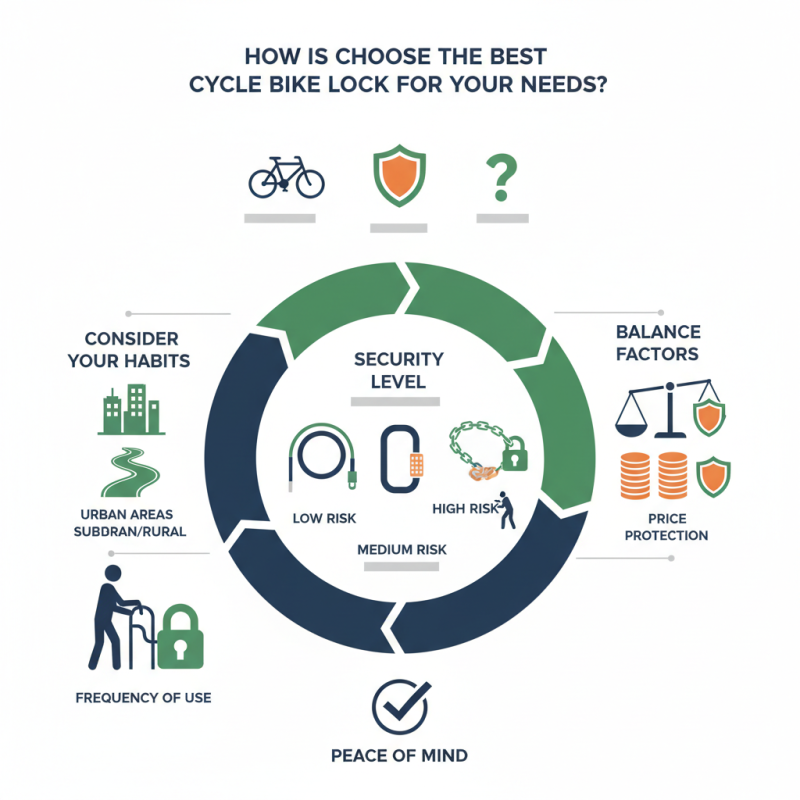
Consider your cycling habits and the locations where you park. Different environments may require different levels of security. For instance, urban areas often have higher theft rates. You might need a more robust locking mechanism in these situations. The right lock can vary based on your bike type and how often you use it.
Reflect on your needs. How often do you leave your bike unattended? Are you riding in high-risk areas? Understanding these factors will help you navigate the options. Remember, a balanced approach between weight, price, and security can enhance your cycling experience. Invest time in researching. Your bike deserves the best protection possible.
Understanding Different Types of Bike Locks Available on the Market
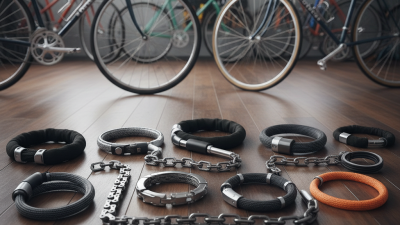
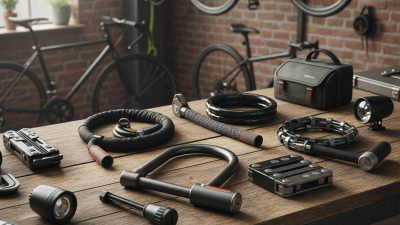
When selecting a bike lock, understanding the various types available is essential. The market features different options, each with its strengths and weaknesses. For instance,
U-locks offer solid security against thieves, as they’re made of hardened steel. According to the Bureau of Justice Statistics,
U-locks reduce the chance of theft by 50% when used properly. However, they can be heavy and cumbersome for daily commuters.
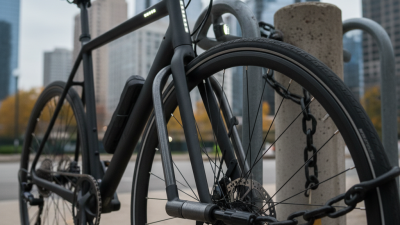
Additionally, chain locks provide flexibility in securing your bike to various objects. They’re typically more portable than U-locks but can be less secure
if made from weaker materials. A 2021 study revealed that around 30% of chain locks could easily be cut with bolt cutters,
underscoring the importance of lock quality. Cable locks are lightweight and inexpensive, making them a popular choice. Yet, they offer the least security,
with 70% easily defeated in less than a minute.
Consumers should weigh their daily needs against security levels. A heavy lock might be cumbersome, while a lighter one may offer inadequate protection. Balancing convenience
and security can be challenging. In the end, understanding these nuances is crucial for making informed choices that safeguard your bike effectively.
Evaluating Security Levels of Bike Locks: What You Need to Know
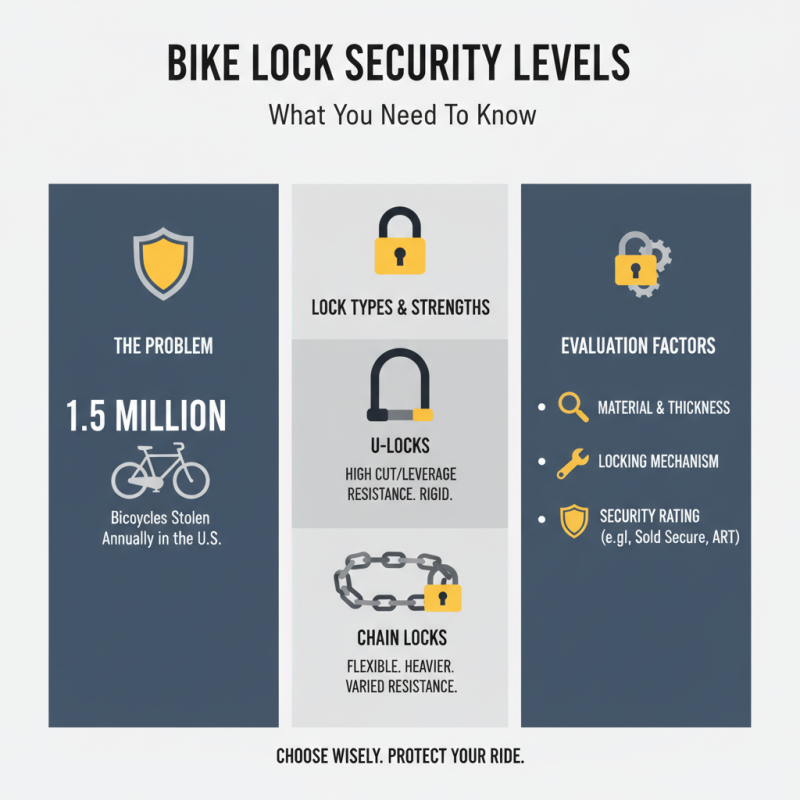
When evaluating the security levels of bike locks, several factors come into play. Studies show that nearly 1.5 million bicycles are stolen each year in the United States alone. Understanding different lock types is crucial. U-locks are popular due to their strong resistance to cutting and leveraging. In contrast, chain locks offer flexibility but can be heavier.
According to a report from the Bike Security Association, over 50% of bike thefts occur in urban areas. The seriousness of choosing the right lock cannot be underestimated. Look for locks that are rated by organizations like Sold Secure or ART. Their ratings help indicate the lock's strength and reliability.
Moreover, even the best locks can be vulnerable. Many locks are cut within seconds by experienced thieves. Therefore, combining different lock types may enhance security. Always consider your bicycle's value and the crime rate in your area. Reflecting on your locking habits and using multiple security measures can significantly reduce the likelihood of theft.
Factors to Consider Based on Your Cycling Habits and Locations
When selecting a cycle bike lock, understanding your cycling habits is crucial. Consider where you typically ride and park your bike. If your daily commute involves high-crime areas, invest in a robust lock. A U-lock can offer superior security against theft. For frequent short stops, cable locks may suffice, but they are less secure. Think about the convenience too. Choose a lock that fits easily in your bag or can be attached to your bike frame.
Tips: Always look for locks that have a high security rating. Insurance companies may offer discounts if you use a certified lock. Evaluate what type of lock works best in your environment.
Your location matters significantly. Urban areas often require different security compared to rural settings. If you park your bike frequently in a busy city, opt for a heavier lock. These locks can deter thieves more effectively. In contrast, rural areas might allow for lighter options without compromising safety. Remember, even in less populated areas, a good lock is still essential.
Tips: Regularly inspect your lock for wear and tear. A weak lock can mislead you into thinking your bike is safe. Consider using multiple locks for additional security in crowded spaces.
Comparing Price vs. Quality in Bike Locks: Finding the Right Balance
When choosing a bike lock, the price versus quality debate often emerges. It's crucial to find a balance between the two. Higher-priced locks typically offer better security features. These can include advanced materials and more complex locking mechanisms. However, that doesn’t mean you should disregard budget options entirely. Some affordable locks can provide adequate protection, especially for short-term use or in low-crime areas.
Consider the intended use of the lock. Are you locking your bike for a few hours in a safe neighborhood or overnight in a busy city? For extended security, investing in a high-quality lock is wise. However, you might not need the most expensive option if your bike is rarely at risk. Reflecting on your specific needs can lead to a sensible choice without overspending.
It's also essential to evaluate the lock's durability. A cheaper lock may wear out quickly under regular use. On the flip side, even high-end products can fail if not maintained properly. Inspect locks regularly for any signs of wear and tear. Understanding these imperfections can guide you toward a more informed decision when securing your bike.
Key Features to Look for in a Bike Lock for Enhanced Security
When selecting a bike lock, security features play a crucial role in protecting your bicycle. Look for locks made from hardened steel. This material makes it more difficult for thieves to cut through. Chains and U-locks often provide the best security due to their robust construction. Consider the length of the lock as well. A longer chain allows for more flexibility in securing your bike.
Another key feature is the locking mechanism itself. Choose a lock with a high-security cylinder. This will resist picking and provide better overall protection. Some locks come with added protection features like anti-drill plates. However, these can add weight and bulkiness. Balancing weight with security is important.
Additionally, think about portability. A lock that is too heavy may deter you from bringing it along. Some people find themselves forgetting their lock altogether. It can be useful to have a lock that can be easily attached to your bike frame. This helps reduce the chances of leaving it behind. Ultimately, find a combination of security features that fits your lifestyle and cycling habits.
How to Choose the Best Cycle Bike Lock for Your Needs? - Key Features to Look for in a Bike Lock for Enhanced Security
| Feature |
Description |
Importance Level |
| Lock Type |
Different types like U-locks, chain locks, and folding locks offer various levels of security. |
High |
| Material Quality |
The strength and durability of the materials used to prevent cutting or breaking. |
High |
| Weight |
Lighter locks are easier to carry, but may offer less security. |
Medium |
| Key/Combination Mechanism |
Different locking mechanisms can provide ease of use and security level. |
Medium |
| Length |
Adequate length to secure both the frame and wheel to an immovable object. |
High |
| Price |
Price varies with security level; consider your budget relative to bike value. |
Medium |
| Brand Reputation |
Brands with good reputations tend to have more reliable locks. |
Medium |