A dependable bike lock should fit your routine, your bicycle, and the places where you leave it. A Cycle Lock Chain can secure a frame and wheel to a fixed rack, while its flexible links make awkward parking spots easier to manage. But no lock is invulnerable. A chain’s protection depends on its material, construction, locking mechanism, and how it is used. Small details matter. So does weight.
This guide to the Top 10 Best Cycle Lock Chains for Bikes compares practical features, including chain thickness, protective sleeve quality, length, carrying options, and ease of locking. A heavier chain may offer more resistance, but it can become a burden on a daily commute. A compact model travels easily, though it may limit where you can secure your bike. There is no perfect choice, and product claims deserve a careful look. Check current specifications and independent testing when available, since designs and ratings can vary by model or change over time. Keep the chain off the ground when possible, and secure the frame to a sturdy fixed object. These simple habits help you judge each option realistically. A lock is only part of the picture. The right choice balances security, convenience, and the places you actually ride and park.
A bicycle chain lock is a series of linked steel sections secured by a keyed or combination mechanism. The chain loops around the bicycle frame and a fixed object, while its links limit movement and make quick cutting harder. In practical use, the details matter: a short chain can be awkward around a thick rack, while a long one may drag on the ground. Keep the lock close to the frame and off the pavement. That helps. The lock body and the chain are only as strong as their weakest point, so check that both are rated for the risks where you park.
The Office for National Statistics’ Crime Survey for England and Wales estimated about 290,000 bicycle-theft incidents in the year ending March 2023. This is a survey estimate, not a prediction for any single rider, but it shows why secure parking deserves attention. A chain lock works best when it captures the frame and, if practical, a wheel, around an immovable stand. Avoid leaving slack that lets the chain rest on the ground; a supported chain is harder to attack with leverage. No chain makes theft impossible. Weight, link thickness, and ease of carrying involve trade-offs, and the most secure option may be the one you will actually use every trip.
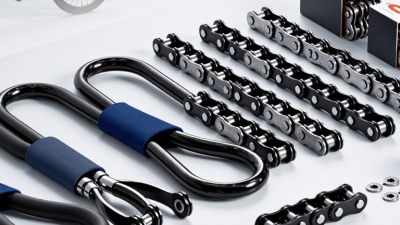
A bike chain’s material sets the starting point for security and everyday handling. Hardened steel resists cutting better than softer metals, while a corrosion-resistant finish helps protect links through wet commutes. Check for bare patches near the joints; coating can wear there first. Weight matters. A thicker chain may deter quick attacks, but it can also be awkward to carry and harder to thread through a frame and wheel.
Link design deserves a close look. Short, closely fitted links leave less room for tool access, while smooth, rounded edges can make gripping more difficult. Examine the welds and the point where the chain meets its locking mechanism. These small details can reveal uneven construction. A fabric sleeve helps prevent scratches, though trapped grit or moisture may hide wear. Look closely.
Security ratings are useful only when their testing method is clear. Compare the exact chain model against an independent rating or test standard, rather than relying on broad words such as “heavy-duty.” Ratings describe resistance under defined conditions; they do not promise that a bike cannot be stolen. Not always. A secure chain still depends on how it is used: pass it through the frame and a wheel, then attach it to a fixed object. I may be tempted to judge a chain by thickness alone, but the lock body, link quality, and fit matter too.
How to read this chart: The bars show the ordinal progression of commonly used bicycle security rating tiers, not measured scores or a ranking of products. Hardened-steel links and robust link construction can help resist attacks, but a chain’s overall security depends on the complete lock and its performance in the relevant independent test. Check the specific product’s current certification before buying.
A useful comparison of the top 10 bike chain locks should start with verified resistance, not appearance. The Office for National Statistics estimated 77,000 bicycle theft incidents in England and Wales in the year ending March 2023. That figure underlines why independent testing matters. Compare each lock’s published security grade, test method, and resistance to cutting and leverage attacks. Grades from independent schemes are helpful, but they are not guarantees. No score tells the whole story.
Weight and usable length matter just as much in daily use. A thick chain may resist tools better, yet feel awkward on a short commute. Check whether it can pass through the frame and a fixed rack, while keeping the lock off the ground. Compare chain links, protective sleeve quality, locking mechanism, and warranty terms. Look closely at corrosion protection, too. A rusty lock can become difficult to operate, even if its security rating looks impressive. Ratings also cannot fully reflect careless parking or poor locking habits.
Tips: Try the chain around your own frame and a typical rack before buying. Secure the frame and a wheel, and keep the chain taut. Small details matter. Be honest about trade-offs: a lighter lock is easier to carry, but may offer less resistance. A heavier one can stay at home. That’s a real flaw in many comparisons.
| # | Comparison Criterion | What to Check | Practical Comparison Guide | Why It Matters |
|---|---|---|---|---|
| 1 | Independent security rating | Check whether the exact lock model has a current rating from an independent testing scheme, such as Sold Secure. | Compare the published rating level and confirm it applies to the specific model, not just a product family. | Independent testing gives a more useful security reference than a general marketing claim. No rating guarantees a lock cannot be defeated. |
| 2 | Chain-link thickness | Compare the stated diameter of the steel links, measured in millimetres. | Bike chains commonly use links in roughly the 6–14 mm range. Thicker links can resist some attacks better, but thickness alone does not establish security. | Link dimensions affect resistance, weight, and how easily the chain fits through a frame and around an anchor point. |
| 3 | Steel and hardening details | Look for clear specifications describing the chain material and any hardening treatment. | Prefer specific construction information over vague descriptions such as “heavy-duty.” Treat material claims as one factor, not a substitute for independent testing. | The link material and construction influence resistance to cutting and other common attacks. |
| 4 | Usable chain length | Check the chain’s usable length in centimetres, excluding any bulky lock body where relevant. | Many bicycle chains are offered at lengths around 85–120 cm, though shorter and longer options exist. Check that the length suits your frame and usual parking point. | A longer chain can make it easier to secure the frame to a fixed object, but it generally adds carrying bulk and weight. |
| 5 | Weight | Compare the listed weight in kilograms or grams for the complete lock, including its locking mechanism. | Use the manufacturer’s measured weight for the exact length and version. A longer or thicker chain will usually weigh more; do not compare unlike sizes. | Weight affects everyday portability and whether a rider is likely to carry the lock consistently. |
| 6 | Locking mechanism | Identify whether the lock uses a key or a combination and review the cylinder or combination mechanism details. | Key locks avoid remembering a code; combination locks avoid carrying a key. Compare the actual security rating and ease of use rather than assuming either type is automatically stronger. | The mechanism affects convenience, replacement options, and the way the chain is secured. |
| 7 | Lock-body and chain connection | Check how the chain closes and whether the locking body or end link is a potential weak point in the design. | Look for construction details and independent test results for the complete lock. A strong-looking chain does not tell you how the lock body performs. | A chain and its locking mechanism work as one system; the weakest component can determine overall performance. |
| 8 | Protective sleeve | Check whether the chain has a fabric or polymer sleeve covering the links. | Confirm that the sleeve covers the chain where it contacts the bicycle and that it can be cleaned or dried if it becomes wet. | A sleeve helps reduce scratches to the frame and can help limit direct contact between the metal chain and the bicycle. |
| 9 | Weather and maintenance | Review any stated corrosion protection, drainage, and maintenance instructions for the chain and lock body. | No outdoor lock should be assumed maintenance-free. Follow the maker’s care instructions, especially after frequent exposure to rain, grit, or road salt. | Weather exposure can affect the condition and operation of metal parts and the locking mechanism over time. |
| 10 | Everyday portability and fit | Assess how the chain is carried, whether it fits around the intended anchor, and whether it can be positioned without resting on the ground. | Test the length and carrying method with your bicycle and usual parking setup before choosing a size. | A suitable fit makes correct locking more practical. When locking, secure the frame and, where possible, a wheel to a fixed object. |
Note: The size ranges above are general market guidance, not specifications for a particular lock. Compare exact model, length, weight, and independent test information before purchase.
The best bicycle chain locks balance resistance, handling, and everyday weight. Look for hardened steel links, a close-fitting protective sleeve, and a locking head that resists twisting. A thick chain can discourage cutting, but it may be awkward to carry and still leave the frame exposed if used carelessly. Check the lock’s usable length against your regular parking spots; a chain that barely reaches the rack often encourages insecure shortcuts.
Independent ratings help compare claims. Sold Secure’s published bicycle-lock scheme has four levels: Bronze, Silver, Gold, and Diamond. The ART Foundation uses a five-star scale for approved locks. These are useful screening tools, not promises that a lock cannot be defeated. Compare the specific rating and test scope, rather than relying on a large link diameter alone. Lock design matters. So does how it is secured.
For a practical shortlist, weigh chain flexibility, link thickness, shackle design, keyway protection, and carrying weight together. A textile cover helps prevent scratches on a painted frame, while a dust cover can keep grit away from the cylinder. Check whether the key turns smoothly and whether the chain can secure both frame and wheel to a fixed object. That detail is easy to miss. I would not treat any single rating as a complete answer; parking location, exposure time, and daily convenience change the real risk.
A chain lock is only useful when its length, links, and locking routine fit your daily ride. The UK Office for National Statistics’ Crime Survey for England and Wales estimated around 80,000 bicycle theft incidents in the year ending March 2023. That figure is a reminder to secure the frame, not just a removable wheel. Choose a hardened chain with links thick enough to resist cutting, but test its weight against the distance you actually carry it. A lock that stays at home offers no protection. Short sentence. Check that the chain reaches a fixed rack without dragging on the ground.
When locking up, pass the chain through the frame and a wheel, then around a firmly anchored stand. Keep the lock body raised and facing inward; this limits leverage and helps prevent scraping. European standard EN 15496 sets testing requirements for cycle locks, so look for clear, independently verified test information rather than relying on a “heavy-duty” label. At home, wipe grit and moisture from the chain, inspect the links and casing, and use lubricant only as the manufacturer recommends. A stiff keyway is easy to ignore. I have done that, and regretted it on a rainy morning. Replace a chain if links are cracked, badly corroded, or no longer close securely.