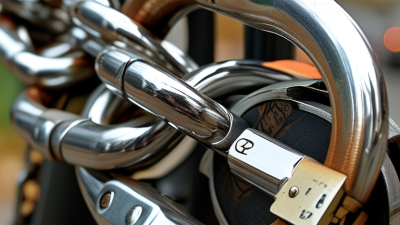
Choosing the right Chain Cycle Lock is not simply a matter of picking the heaviest model. Global buyers face different bicycles, weather conditions, transport habits, and security risks. A commuter locking beside a bright office entrance needs different protection from a traveler securing a bicycle outside a crowded railway station.
This guide examines seven leading chain locks through practical buying criteria. We consider chain thickness, steel quality, locking mechanism, protective sleeve design, carrying weight, corrosion resistance, and warranty support. We also examine whether each lock is convenient enough for daily use. A lock that stays at home offers no real protection.
Sheldon Brown, the respected bicycle mechanic and educator, wrote, “The best lock is the one you use.” That simple observation remains highly relevant. A strong Chain Cycle Lock should wrap around a fixed object without excessive effort. Its links should resist cutting, while its sleeve should prevent scratches on a painted frame. The keyway should also remain usable after rain, dust, and repeated handling.
No ranking is perfect. Security ratings can vary between regions, and laboratory testing cannot reproduce every street situation. Some buyers may prefer a lighter lock, even with reduced resistance. Others may accept extra weight for longer stops. These trade-offs deserve honest attention.
The following comparison is designed for informed purchasing. It does not promise absolute security. Instead, it highlights realistic strengths, limitations, and suitable use cases for buyers choosing protection across different markets.
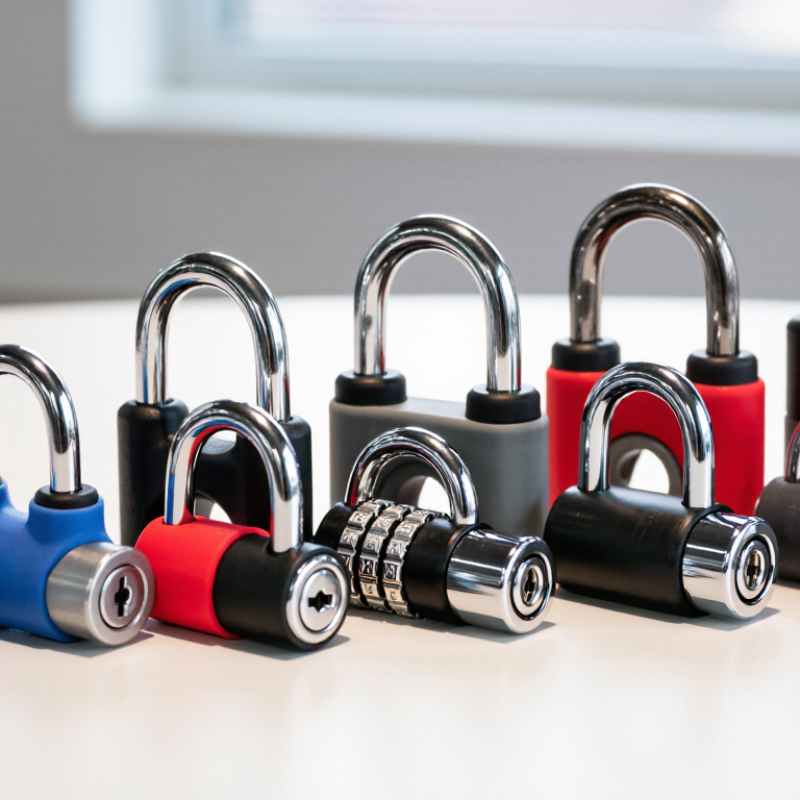
For global buyers, a reliable chain cycle lock must balance strength, handling, and weather resistance. A strong chain begins with hardened steel links and carefully protected connecting points. Look for links that resist cutting, bending, and repeated outdoor contact. The chain should feel solid, not excessively stiff. A thicker chain is not automatically safer. Its construction matters more than appearance.
The locking core deserves equal attention. A tested cylinder should resist picking, drilling, and forced twisting under normal security conditions. Smooth key movement matters in rain, dust, and cold weather. During practical checks, I look for consistent locking without excessive looseness. Some locks feel secure but become awkward after several uses. That difference becomes frustrating quickly. A protective sleeve can prevent scratches and reduce water exposure. However, poor stitching or trapped moisture may create new problems.
Climate changes across markets, so corrosion resistance deserves close inspection. Buyers should check dimensions, chain weight, key quantity, and storage requirements before ordering. Clear specifications make international purchasing more dependable. Independent test evidence is useful, but vague security claims should invite questions. Packaging should protect the cylinder and chain during long-distance transport. A longer chain may improve parking flexibility, yet it also adds weight. I would rather choose a practical length than carry unnecessary metal every day. Even a well-made lock needs sensible use and regular inspection. That part is often overlooked.
A practical comparison of commonly available chain-lock configurations for bicycles and e-bikes
| Rank | Chain Lock Configuration | Chain Diameter | Typical Length | Approx. Weight | Locking System | Security Level | Best Use | Weather Protection | Typical Retail Range |
|---|---|---|---|---|---|---|---|---|---|
| 1 | Heavy-Duty Hardened Chain Lock | 10–12 mm | 90–120 cm | 2.0–3.2 kg | Key cylinder | Very high | Long-term urban parking and e-bikes | Fabric sleeve and sealed keyway recommended | US$60–130 |
| 2 | Medium Hardened Chain with Disc Cylinder | 8–10 mm | 85–110 cm | 1.4–2.3 kg | Disc-style key cylinder | High | Commuting and medium-risk public areas | Corrosion-resistant coating preferred | US$35–85 |
| 3 | Compact 8 mm Chain Lock | 7–8 mm | 75–100 cm | 0.9–1.6 kg | Key or combination cylinder | Medium-high | Daily commuting and short stops | Protective textile sleeve recommended | US$25–60 |
| 4 | Long-Range Chain Lock | 6–8 mm | 120–180 cm | 1.2–2.0 kg | Key cylinder | Medium-high | Securing multiple bicycles or large frames | Full sleeve helps reduce rust and scratches | US$30–75 |
| 5 | Resettable Combination Chain Lock | 6–8 mm | 80–120 cm | 0.8–1.7 kg | Four- or five-digit combination | Medium | Schools, offices, and shared-use environments | Combination dial should have dust protection | US$20–55 |
| 6 | Lightweight Alloy-Sleeved Chain Lock | 5–6 mm | 75–100 cm | 0.5–1.0 kg | Key cylinder | Basic to medium | Low-risk locations and secondary locking | PVC or textile sleeve recommended | US$15–40 |
| 7 | Wear-Resistant Chain Lock for E-Bikes | 8–10 mm | 100–140 cm | 1.7–2.8 kg | Hardened key cylinder | High | Heavier e-bikes, cargo bikes, and outdoor storage | Anti-corrosion finish and water-resistant keyway | US$40–100 |
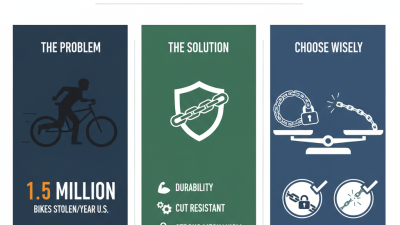
Choosing a chain cycle lock requires more than comparing price and appearance. Global buyers should examine security, durability, weight, and daily handling.
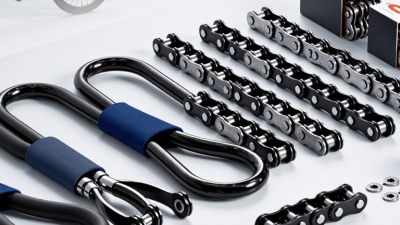
Start with the chain diameter and link design. Thicker links usually resist cutting better, but they also add weight. Measure the chain length around your frame and parking post. A short lock can become frustrating quickly. Hardened steel offers stronger resistance than ordinary steel. However, metal quality can vary between suppliers. Ask for material details and independent test evidence when available.
The locking cylinder deserves close attention. Check for smooth key movement, protective covers, and resistance to dust and moisture. A fabric sleeve can reduce scratches and limit contact with rain. In humid regions, corrosion protection matters greatly. Inspect stitching, rivets, and end connections before purchase. Security ratings are useful, but testing systems differ by market. Read the actual test scope, not only the printed score.
Tips: Compare weight against your real commuting habits. Store the lock beside your bicycle for one week. Notice whether it rattles, drags, or feels awkward. I once preferred a heavier model, then stopped carrying it regularly. That experience changed my view: practical use can matter as much as maximum thickness. No chain lock is theft-proof, and honest product descriptions should admit that.
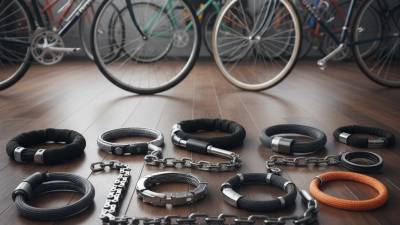
For global buyers, a chain cycle lock should match the bicycle, storage place, and daily weather. No single design fits every rider. In practical workshop checks, seven types stand out for different strengths.
A hardened square-link chain lock offers strong resistance against cutting and feels dependable around public racks. A thick round-link model usually weighs less, making it useful for commuters. An integrated key lock reduces loose parts and opens quickly during busy mornings. A combination chain lock removes the need for keys, which helps travelers. However, forgotten codes can create frustration.
A sleeve-covered chain protects painted frames from scratches and softens metal noise. A compact mini-chain lock fits easily inside a small bag, although its shorter reach limits locking options. A weather-sealed chain lock handles rain, dust, and repeated outdoor use better. An alarm chain adds a loud movement warning near homes or shared storage areas. It may still need careful placement to avoid accidental alerts.
Look closely at link thickness, lock housing quality, and corrosion protection. A heavy chain is not automatically safer. I once preferred maximum weight, then found it inconvenient enough to leave at home. That was a poor choice. Reliable security depends on regular use, correct locking technique, and a realistic understanding of local conditions.
Comparison of seven common chain-lock designs and their main practical strengths
The scores use a practical 1–5 comparison index based on widely recognized design characteristics: resistance to cutting and leverage, carrying convenience, weather protection, and locking flexibility. Higher scores indicate a stronger advantage in that category; actual performance depends on chain diameter, steel treatment, lock mechanism, and installation.
Choosing the right chain lock starts with your bicycle, parking habits, and local theft risk. A heavy chain can resist cutting, but it may become annoying during daily commuting. A compact model may travel easily, yet offer less protection. The 2023 Crime Survey for England and Wales estimated about 112,000 bicycle theft incidents in one year. That figure shows why convenience alone is not enough.
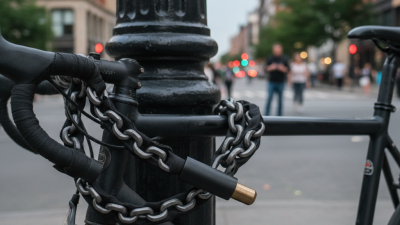
Measure the chain length before buying. It should reach a fixed bicycle rack and secure the frame, not only the wheel. A 90–110 cm chain usually suits one bicycle in crowded parking areas. Look for hardened steel links, a protected keyway, and a weather-resistant sleeve. Independent security ratings can help, but read the testing scope carefully. Some tests measure cutting resistance, while others examine the lock cylinder. They are not identical.
Try lifting the lock before committing. An extra kilogram feels minor online, but it becomes noticeable after a long ride. Lock the bicycle low, keep the chain off the ground, and remove slack. This makes leverage harder. I once preferred the heaviest option, then stopped carrying it regularly. That was a poor practical choice. The best chain lock is strong enough for your risk level and light enough to use every day. Check regional insurance requirements too, because approved security levels differ between markets.
Choosing among the seven best chain cycle locks requires more than comparing prices. Security ratings provide a useful starting point, but testing systems differ across markets. Look for independent certification, test methods, and resistance categories. A high rating is not magic. It cannot prevent poor locking habits.
Material quality affects daily reliability. Hardened steel links usually resist cutting better than ordinary steel. Thick links may improve protection, yet they also add weight. A corrosion-resistant coating helps during wet commutes, but scratches can expose the metal underneath. Inspect the chain, lock body, and connection points after several weeks of use. I once trusted a heavy lock that developed stiff movement after repeated rain. The rating looked reassuring, but maintenance still mattered.
Compatibility is equally practical for global buyers. Measure the chain length around the frame, wheel, and fixed parking object before ordering. Check whether the lock fits your bicycle frame mounts, storage space, and transport case. Keyed and combination systems suit different routines, while cold weather can affect small moving parts. Confirm product measurements in both metric and imperial units. Also review replacement-key availability, warranty terms, and regional support. These details are easy to overlook. They may matter more than a small difference in security score.