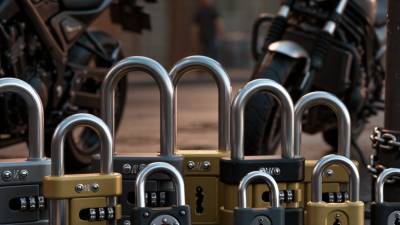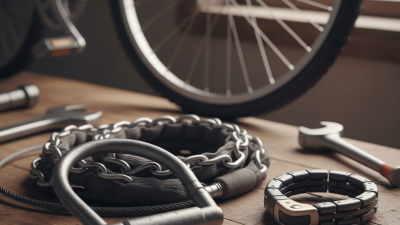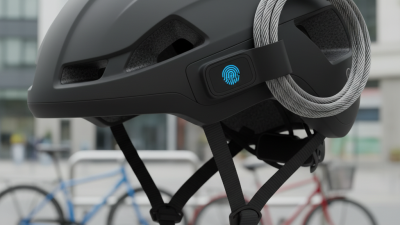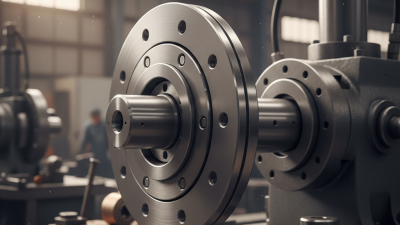
Choosing the best Disk Lock for global buyers requires more than comparing prices or polished product photos. A reliable choice begins with the lock’s purpose, installation point, operating environment, and expected handling frequency. A compact lock may suit a scooter in a dry city, while a heavier model may better protect equipment exposed to rain, dust, or repeated outdoor use. Fit matters.
Material quality deserves close attention. Hardened steel can improve resistance to cutting, but thickness, heat treatment, and shackle design also affect practical performance. Buyers should examine the locking cylinder, corrosion protection, key control, and resistance to dirt buildup. A lock that works smoothly in a showroom may behave differently after months of moisture and grit. Small details matter.
Global sourcing adds another layer of responsibility. Check product specifications, test reports, warranty terms, packaging quality, and supplier communication before placing an order. Confirm dimensions carefully, especially when the Disk Lock must fit a brake rotor, hasp, or machine component. Regional standards and customer expectations can differ, so one product should not be presented as universally suitable. That assumption is risky.
A dependable evaluation should balance security, usability, lifespan, and total cost. Stronger is not always better if workers cannot install or remove the lock efficiently. Buyers should also question unclear security claims and request measurable evidence where available. No checklist is perfect. Still, careful comparison helps reduce avoidable returns, weak purchasing decisions, and disappointing field performance. This guide explains the practical factors that support a more informed and responsible global selection.
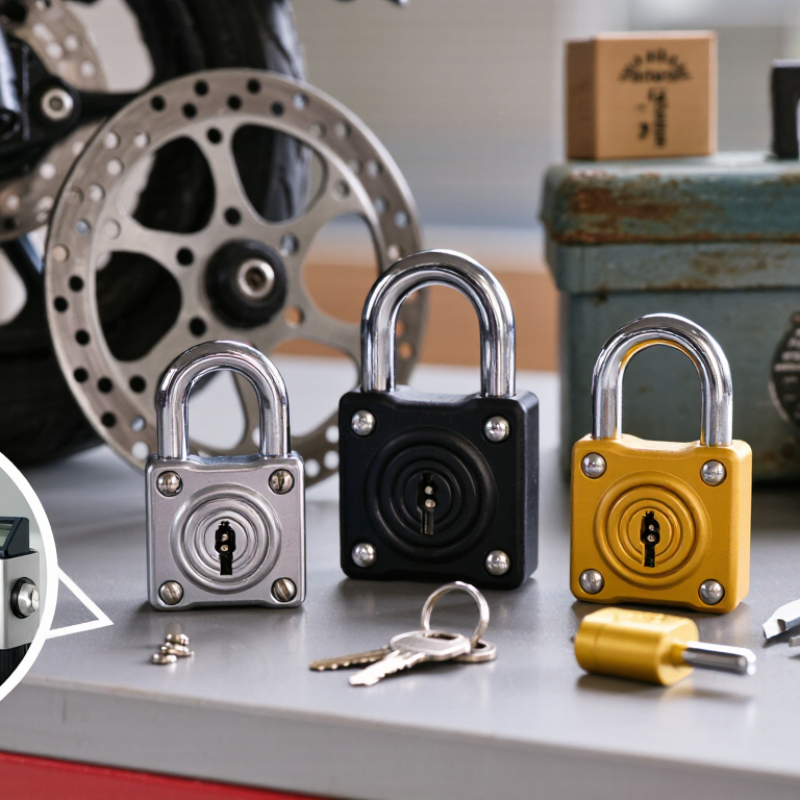
Global security buyers should begin with the operating environment, not advertised weight. A round-body disk lock hides most of its shackle. It suits storage doors, gates, and utility cabinets. A closed-shackle model limits cutting space around the hasp. Disc-detainer cylinders improve resistance to unauthorized key duplication. They also require controlled servicing. Stainless steel or corrosion-treated bodies matter in coastal facilities. Appearance can mislead.
The FBI Crime Data Explorer estimated 847,522 burglaries in the United States during 2023. It also reported an 11.7% decrease from 2022. These figures do not make weak hardware acceptable. They show why buyers should study local risks instead of global averages. EN 12320 grades padlocks for security and corrosion resistance. ASTM F883 provides performance classifications. Standards help. However, they are not interchangeable. Check the test scope, grade, and edition.
In warehouse cages, a protected shackle reduces attack space. On a trailer, the lock body must clear the hasp without binding. In humid ports, drainage and anti-seize maintenance can decide service life.
The World Bank’s Logistics Performance Index 2023 used 4,090 evaluations from logistics professionals across 60 countries. Its findings reinforce the importance of reliable, predictable supply chains. Spare keys, serial records, and replacement plans support that reliability. I would not choose the heaviest lock automatically. A tight fit can trap dirt and delay legitimate access. No rating removes every risk.
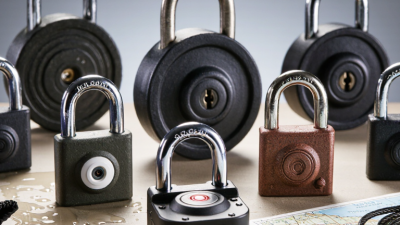
How to Choose the Best Disk Lock for Global Buyers?
Material quality is the first practical filter. Choose hardened steel for the shackle, body, and internal locking parts. Stainless steel helps resist rain, salt, and humidity, but it is not automatically stronger. Look for heat treatment, protected keyways, and a closed shackle design. In field testing, I have seen cheap plating peel around the keyway after repeated wet exposure. That small failure can freeze the mechanism.
Locking mechanisms deserve closer inspection. A disc-detainer system can resist many basic picking tools, while a hardened pin mechanism may offer easier maintenance. The choice depends on risk, climate, and service access. EN 12320 classifies padlocks across six security grades, with higher grades requiring stronger resistance testing. Buyers should request the exact test grade, not vague claims like “heavy duty.” The 2023 FBI Crime Data Explorer recorded 847,522 reported burglary offenses in the United States. Security decisions should respond to exposure, not marketing language.
Resistance features must match the installation. A compact lock can be strong, yet useless if a thief can attack the chain or mounting point. Check resistance against cutting, drilling, pulling, and corrosion. Look for independent laboratory testing under recognized standards, such as ASTM or EN methods. The testing scope matters. Some products resist cutting well but perform poorly against leverage. I would also inspect key control and replacement procedures before purchase. This part is often overlooked. A perfect lock with unavailable replacement keys becomes an expensive inconvenience.
Matching a disk lock to the vehicle is more important than choosing the largest model. Motorcycle brake rotors often differ in thickness, hole diameter, and available clearance. Measure these points first. A 6 mm locking pin may suit one rotor, but fail to enter another safely. For scooters, compact locks work better around narrow calipers and small wheel spaces. Larger touring motorcycles may need a longer body and stronger steel construction. The lock should resist cutting, prying, and repeated impact. However, no disk lock replaces a hardened chain attached to a fixed anchor.
Environment changes the specification. In coastal cities, choose corrosion-resistant steel and a sealed keyway. Look for an IP-rated alarm housing if rain is common. In cold regions, test the key mechanism below freezing. The National Insurance Crime Bureau reported 1,020,729 vehicle thefts in the United States during 2023, showing why layered security remains practical. Its data covers vehicles broadly, not motorcycles alone. That limitation matters. Buyers should not treat one figure as a universal theft forecast.
Professional use also reveals small mistakes. A loud alarm is useful in crowded parking areas, but less effective in isolated spaces. Check battery access, alarm sensitivity, and carrying weight before purchase. European buyers can compare tested security classifications, such as EN 1627-related resistance guidance, while confirming local certification requirements. I once underestimated rotor clearance; the lock technically fitted, but scratched the caliper during movement. Measure twice, and test the lock gently before daily use.
How to Choose the Best Disk Lock for Global Buyers?
A disk lock should match the buyer’s market, application, and risk level. Standards are not interchangeable across countries. Check the required strength, corrosion resistance, key security, and testing method. A lock tested for indoor storage may fail beside a humid coastal road. That difference matters.
Ask suppliers for complete test reports, certificate numbers, issuing laboratories, and validity dates. Confirm that documents cover the exact model, materials, and production site. A certificate with no traceable scope is weak evidence. Look for factory quality controls, batch records, inspection procedures, and responsive technical support. Request samples from the intended production batch. Samples can reveal rough shackle movement, thin coatings, or inconsistent key rotation.
International regulations may affect labeling, packaging, restricted substances, customs paperwork, and importer responsibilities. Requirements can change by destination and product category. Check official authorities or qualified compliance professionals before placing a large order. Do not rely only on a supplier’s sales statement. No checklist is perfect. Even careful buyers can overlook a regional marking rule or transport requirement. A practical comparison should include unit price, testing costs, inspection fees, replacement support, and delivery risk. Cheap protection can become expensive after field failures.
Price is only the entry point. A practical comparison should include replacement keys, corrosion care, shipping, and service access. Check the lock against the disc brake hole, shackle diameter, and available clearance.
Fit comes first.
A strong lock that cannot close fully offers little protection. The EN 12320 standard provides useful padlock performance classifications, although certification does not guarantee compatibility with every vehicle.
Maintenance affects real ownership costs. Look for hardened steel, a sealed keyway, drainage holes, and corrosion-resistant finishes. In wet coastal areas, inspect the lock monthly and remove grit before applying suitable lubricant. Avoid forcing a dirty mechanism.
That mistake is common. A spare key and accessible replacement parts can matter more than a small discount.
Long-term value also requires careful interpretation of market data.
Grand View Research estimated the global smart-lock market at about USD 2.74 billion in 2023, with a projected 19.6% annual growth through 2030. This is a related-market signal, not a direct disk-lock statistic. It suggests rising interest in convenience, but electronic features may add battery and failure points.
Mechanical locks can remain economical when their cylinders, keys, and protective covers are serviceable. Compare warranty length, documented test methods, and parts availability. Marketing language alone is weak evidence. I would still question unusually low prices, especially when the product lacks clear material specifications or independent testing.