Leave Your Message

How to Choose the Best Motorcycle Locks Worldwide?

Choosing the best motorcycle lock worldwide requires more than comparing prices, weight, or bold security claims. Real protection depends on your motorcycle, parking routine, climate, and travel conditions. A compact disc lock may suit a café stop, while a hardened chain works better beside a fixed ground anchor.

Motorcycle security consultant Mark Brown explains, “A lock should match the risk, not simply the motorcycle.” That principle guides this comparison. We examine chain thickness, shackle design, locking cylinders, alarm features, corrosion resistance, and resistance to cutting tools. We also consider practical details, such as whether the lock fits beneath your seat or survives constant rain.

Many riders search for “Motorcycle Locs,” but the strongest option is rarely the largest one. A heavy chain can discourage tampering, yet it may remain at home because it is inconvenient. That weakens its value. Small habits matter. Lock the frame, not only the wheel. Keep the chain away from the ground. Avoid leaving generous slack.

There is no perfect lock. Not even close. Security products can be overstated, and laboratory ratings cannot reproduce every parking situation. This guide therefore balances manufacturer information with real-world use, independent testing, and visible construction quality. It also recognises an uncomfortable truth: a good lock cannot replace sensible parking, layered protection, and regular inspection. Corrosion, damaged keys, or a loose mounting point can quietly reduce security. Choose carefully, then use the lock consistently.
How to Choose the Best Motorcycle Locks Worldwide?

Understanding Motorcycle Lock Types and Their Security Features

How to Choose the Best Motorcycle Locks Worldwide?

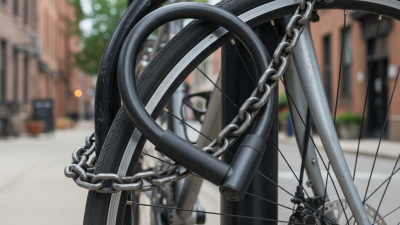
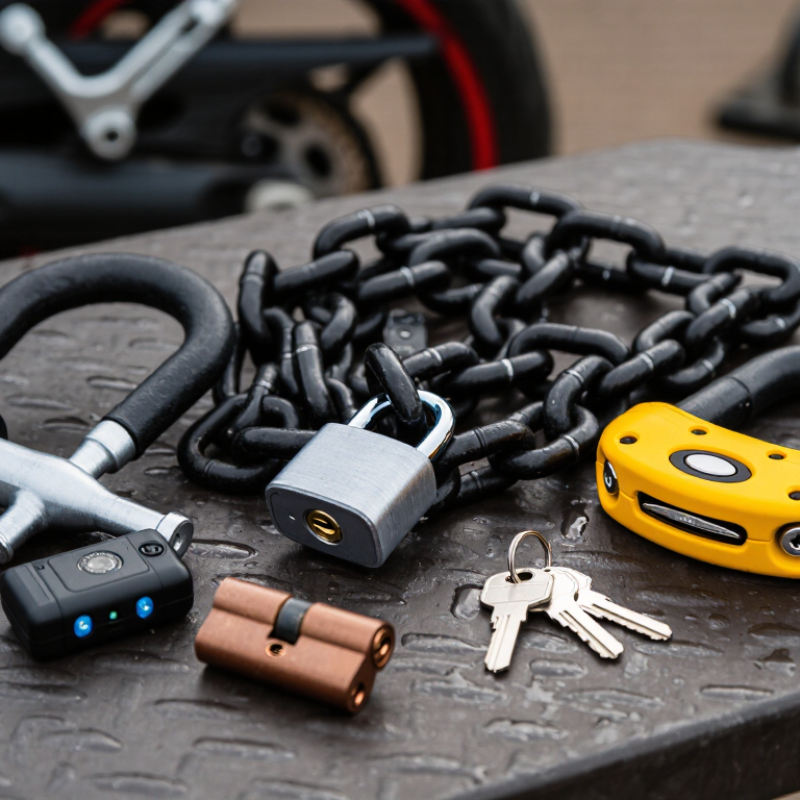
Motorcycle locks differ in design, strength, and resistance to common attacks. A disc brake lock fits through the rotor and prevents wheel movement. It is compact, but it cannot stop a motorcycle from being lifted. A chain lock offers more flexibility. Thick hardened-steel links can secure the frame to a fixed object. However, heavy chains are difficult to carry every day.

A U-lock provides strong resistance against cutting and leverage when its size is correct. It should fit tightly around the frame and a solid anchor. Cable locks are lighter and easier to handle, but their thinner construction usually offers lower security. Some locks include alarms, vibration sensors, or weather-resistant covers. These features improve awareness and durability, though electronic parts can fail in rain or cold.

Tips: Layer two different lock types. Keep chains off the ground, where tools gain better leverage. Check the keyway after dusty rides. Look for independent security testing, corrosion protection, and a clear replacement-key process.

From practical use, convenience matters as much as strength. A lock left at home protects nothing. I once chose a heavy chain that felt excellent in testing, but carrying it became annoying. That experience changed my approach. I now balance weight, locking position, visible deterrence, and storage space. No motorcycle lock is completely theft-proof. That uncomfortable fact deserves attention. Examine the frame, parking location, weather, and daily routine before choosing.
Assessing Your Motorcycle, Parking Location, and Theft Risks

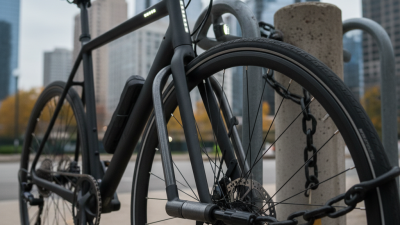
Choosing a motorcycle lock starts with the motorcycle, not the product label. A lightweight scooter needs a different setup from a heavy touring motorcycle. Check the brake disc openings, frame shape, and available anchoring points. A compact disc lock may fit one bike and fail to fit another. Measure before purchasing. That small step prevents expensive guesswork. For larger motorcycles, combine a hardened chain with a lock designed to resist cutting and picking. Keep the chain tight against the frame, not resting on the ground. Loose metal gives thieves better leverage.

Parking location changes the threat. A bright, staffed garage usually needs less protection than an isolated street overnight. Look for cameras, regular foot traffic, and fixed structures that cannot be moved. Avoid leaving the motorcycle beside temporary fencing or thin signposts. They look secure. They may not be. In unfamiliar cities, ask parking staff about repeated thefts, lighting failures, and overnight access. Local experience can reveal risks that online ratings miss.

Assess time, visibility, and routine. Predictable parking makes surveillance easier, especially when a motorcycle stays untouched for hours. When risk is high, use two different security methods. A disc lock and frame-secured chain work well together. Do not rely on a cable alone for long unattended periods. Store the lock away from rain, grit, and extreme heat. Test it regularly. I once trusted a lock that became stiff after months of neglect. It still closed, but not smoothly. That should have warned me. Security choices deserve honest rechecking, because confidence can be the weakest part of the system.

Comparing Lock Materials, Designs, and Resistance Ratings

Choosing a motorcycle lock starts with material, not appearance. Hardened boron-alloy steel resists cutting better than ordinary mild steel. Stainless steel handles rain well, but it may offer weaker cutting resistance in thinner designs. A thick chain absorbs repeated attacks, while a compact U-lock can resist leverage around the wheel and frame.

Design matters as much as metal. Disc locks are portable, yet they usually protect only the brake rotor. A chain combined with a fixed ground anchor creates a harder target. The 2023 NICB Motorcycle Theft Report recorded 55,290 motorcycle thefts in the United States. That figure supports layered protection, although theft data cannot predict every parking risk. Resistance ratings also need careful reading. EN 12320 grades padlocks by tested security and corrosion performance, while independent motorcycle schemes use different attack methods. Ratings are not globally interchangeable. They do not promise a fixed number of minutes against every tool.

Tips: Choose a lock that passes through the frame, not only the wheel. Check shackle thickness, protected keyways, and corrosion testing. Keep the lock tight against the motorcycle; loose chains give attackers room for leverage. A high rating can still fail when poorly positioned. I sometimes prefer a lighter lock for daily use, but that is a compromise, not a perfect solution. Test the fit before purchase, especially around aftermarket frames and brake components.

Checking Portability, Weather Protection, and Everyday Usability

How to Choose the Best Motorcycle Locks Worldwide?

A motorcycle lock must travel well before it protects well. During daily riding, I carry a compact disc lock under the seat and a longer chain when parking outside. Weight matters more than many buyers expect. A lock that adds several kilograms may remain at home. That defeats its purpose. Check its folded size, carrying case, and mounting options before purchase. It should stay secure on the motorcycle without touching hot or moving parts.

Weather protection deserves close attention. Rain can enter a keyway, while road grit can block its mechanism. Look for a covered keyway, corrosion-resistant hardware, and sealed internal parts. However, no lock is completely weatherproof. I still wipe mine after wet rides and apply suitable lubricant occasionally. Small habits help. A bright coating also improves visibility in low light, although it may scratch with regular use.

Everyday usability often decides whether a lock becomes part of your routine. Test it with riding gloves, especially in cold weather. The key or control should work without forcing it. A flexible chain fits around more parking points, but it can be awkward to handle. A rigid lock stores neatly, yet it may not reach a strong anchor. My first choice was too heavy, and I often left it behind. That experience changed my priorities: practical carrying, quick operation, and dependable protection must balance each other.

How to Choose the Best Motorcycle Locks Worldwide? - Checking Portability, Weather Protection, and Everyday Usability

A practical comparison of common motorcycle lock types using typical specifications and everyday riding requirements.

Lock type Typical weight Typical dimensions Portability Weather protection Everyday usability Best practical use Important considerations
Disc brake lock 0.6–1.5 kg Compact body; locking pin commonly 5–14 mm Excellent Good when the keyway has a protective cover; regular lubrication is still needed in wet or salty climates. Very quick to fit, but it is easy to forget after parking. Short stops and adding a visible deterrent to a larger lock. It normally secures only the brake disc and cannot anchor the motorcycle to a fixed object.
U-lock / D-lock 1.2–2.5 kg Shackle diameter commonly 13–18 mm; internal width varies by model Good Usually good with a covered keyway and corrosion-resistant coating; exposed metal should be dried after heavy rain. Fast to use when the shackle fits the wheel, frame, and anchor point. Urban parking and securing the motorcycle to a solid immovable object. The rigid shape limits where it can pass through; measure the required clearance before buying.
Chain lock 2.5–8.0 kg Length commonly 0.9–1.8 m; chain links often 8–16 mm thick Fair to limited A fabric sleeve reduces scratching and helps shield the chain, but trapped moisture can cause corrosion if it is not dried. Flexible and versatile, though heavy to carry and slower to wrap around the motorcycle. Longer parking periods and anchoring through the frame to a fixed structure. Choose a chain that is long enough for the anchor point but not unnecessarily heavy; keep it off the ground where possible.
Folding lock 1.0–2.5 kg Folded length commonly 20–35 cm; individual links often 5–8 mm thick Good Hinges and joints need more care than a solid shackle; a protective case helps keep out grit and rain. Compact storage and flexible positioning make it convenient for regular commuting. Riders who need a compact lock that can reach a nearby anchor point. The hinges add moving parts and should be kept clean; security depends heavily on link and joint construction.
Armored cable lock 0.8–2.5 kg Length commonly 0.8–1.8 m; cable diameter often 10–25 mm including armor Excellent Vinyl or textile covers help protect paint; exposed cable ends and the keyway require periodic inspection. Light, flexible, and easy to route through wheels or accessories. Low-risk areas, accessory security, or use as a secondary lock. Cable-based designs generally provide less resistance to dedicated cutting tools than substantial hardened-chain or U-lock designs.
Brake-disc lock with alarm 0.7–1.6 kg Compact body; locking pin commonly 5–14 mm Excellent Electronics should be protected from direct water jets; check the stated water-resistance instructions and battery compartment seals. Quick to install and provides a sound warning, but vibration sensitivity may require adjustment. Busy locations where an audible warning may attract attention. An alarm is a deterrent, not a substitute for a physical lock attached to a fixed anchor.
Selection note: Security ratings and weather-resistance classifications are not internationally uniform across all motorcycle locks. Compare the actual shackle or chain dimensions, locking mechanism, corrosion protection, mounting method, and the manufacturer’s care instructions. For overnight parking, a substantial lock connected to the motorcycle frame and a fixed anchor is generally more suitable than a compact disc lock used alone.

Choosing a Reliable Motorcycle Lock Within Your Budget

Choosing a reliable motorcycle lock starts with your budget, not the biggest price tag. A useful lock should match your parking routine, motorcycle design, and local weather. For short stops, a compact disc lock may offer practical protection without adding much weight. For overnight parking, a hardened chain with a strong weather-resistant padlock usually provides more flexibility. That extra security costs more, but careless spending can also leave you carrying unnecessary weight.

I once bought a heavy lock that looked impressive but stayed in my garage. It was too awkward for daily use. My mistake. A lock only helps when you actually carry and use it. Check its weight, locking space, key movement, and storage options before paying. Measure it first. The locking point should fit through a sturdy wheel section or frame area without touching brake components. Never force a crowded fit.

Within a limited budget, prioritize hardened materials, protected keyways, and resistance to cutting or tampering. A simple cover can reduce rain exposure and keep grit away from the mechanism. Look for clear security testing information, warranty terms, and realistic user feedback rather than dramatic claims. Very cheap locks may save money today, yet replacement costs and lost riding time can follow. Still, expensive does not automatically mean suitable. Reconsider your choice after testing it beside the motorcycle, wearing gloves, in poor light.

How to Choose the Best Motorcycle Locks Worldwide?

Choosing a reliable motorcycle lock depends on your budget, the level of theft risk, and how much portability you need. The chart shows indicative global retail price ranges in USD for common motorcycle lock types.

Buying guidance: Disc locks are compact and affordable, chain locks provide more flexibility for securing the motorcycle to a fixed object, and U-locks generally offer a strong balance between portability and resistance to cutting. Alarm-equipped disc locks may provide additional deterrence, but their batteries and electronic components require regular maintenance.