How to Choose the Best Cycle Lock for Your Bike Safety?
Securing your bike is essential in today’s world, where theft rates continue to rise. Choosing the right Cycle Lock can make a significant difference. According to John West, a leading expert in bike security, “A solid Cycle Lock is your bike's first line of defense.” His insights highlight the importance of selecting a lock that meets your needs.
Bike locks come in various styles and materials. U-locks, chain locks, and folding locks each have their strengths. Consider durability, weight, and ease of use when choosing one. A well-chosen Cycle Lock enhances security and provides peace of mind. However, many riders select a lock based on price rather than effectiveness, leading to vulnerabilities.
Even the best Cycle Locks have limitations. Understanding their weaknesses can help you make a more informed decision. For instance, some locks can be easily compromised if not used properly. Following expert advice can help you avoid common mistakes. By reflecting on your choices, you can better protect your bike and enjoy your ride.
Understanding the Importance of a Quality Cycle Lock for Bike Safety
A quality cycle lock is essential for bike safety. Without it, your bike is an easy target for thieves. Every year, countless bikes are stolen due to inadequate locking methods. A robust lock can make a significant difference in protecting your investment.
Understanding the different types of locks is crucial. U-locks, chain locks, and folding locks each have their pros and cons. U-locks are often more secure, while chain locks offer flexibility. Some might find folding locks convenient, but they may lack the same level of security. Reflecting on your choice is important. The ideal lock should match your bike type and how often you ride.
However, even the best locks are not foolproof. Improper use can undermine their effectiveness. Always lock your bike in well-lit, busy areas. Avoid locking it in the same spot repeatedly. Regularly inspect your lock for wear and tear. These small details can greatly enhance your bike's safety.
Types of Cycle Locks: Pros and Cons of Each Option
When selecting a cycle lock, understanding the types available is crucial. Each type comes with distinct advantages and downsides. U-locks are popular due to their sturdy design. They can deter thieves effectively. However, some models can be heavy and cumbersome to carry. Industry reports show that U-locks can resist cutting for longer periods compared to cable locks.
Cable locks offer flexibility and lightweight convenience. They are ideal for quick stops and less valuable bikes. However, their weakness lies in their susceptibility to cutting. A study revealed that over 40% of thefts occurred with cable locks. This statistic underscores the importance of investing in a more robust locking mechanism.
Chain locks are another option, combining strength and flexibility. They can be cumbersome but provide enhanced security. The downside is their weight; carrying a heavy chain may not be practical for all riders. Not every type suits every cyclist’s needs, making thoughtful evaluation essential. By weighing these pros and cons, bike owners can make informed choices.
Key Features to Consider When Selecting a Cycle Lock
When selecting a cycle lock for your bike, key features are essential to ensure safety. The lock’s material matters significantly. Look for hardened steel for durability. A weak lock can offer a false sense of security. You want a lock that resists tools like cutters. Many options available may seem sturdy but are surprisingly easy to break.
Lock types vary widely. U-locks are popular for their strength. Chains offer flexibility but can be heavy. Folding locks provide a balance between portability and security. Consider how you’ll use your lock daily. If you commute, a lighter option might be best. Remember, not all locks suit every environment. Urban areas might need stronger options compared to rural settings.
Evaluate the key mechanisms, too. Keyed and combination locks have their pros and cons. A combination lock removes the worry of losing keys, but remember the risk of forgetting codes. User reviews can shed light on reliability. Explore wear over time. A lock that wears out quickly might not be worth the initial investment. Don’t rush your decision; the right lock can save you significant trouble later.
How to Choose the Best Cycle Lock for Your Bike Safety?
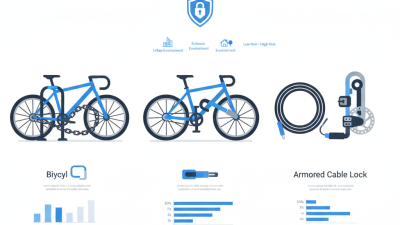
This chart illustrates key features to consider when selecting a cycle lock, showing the importance of each feature based on user preferences.
Tips for Properly Using a Cycle Lock to Enhance Security
When using a cycle lock, proper technique is essential for maximizing security. A significant tip is to lock the frame and at least one wheel to a solid object. Thieves often target just the bike frame. Consider using double locks for added protection. This can deter potential thieves.
Positioning your lock correctly can make a huge difference. Avoid placing it in easily accessible areas. Instead, lock it in a way that makes it difficult to maneuver tools. This simple adjustment can enhance your bike’s safety. Remember, even high-quality locks can be compromised if not used wisely.
Regular checks on your lock’s integrity are often overlooked. Look for signs of wear or damage. If the lock feels loose or difficult to use, it might need replacement. A compromised lock is almost as bad as no lock at all. Stay observant and proactive to ensure your bike's safety!
How to Choose the Best Cycle Lock for Your Bike Safety?
| Lock Type |
Security Rating |
Weight |
Price Range |
Recommended Use |
| U-Lock |
High |
1.5 lbs |
$50 - $150 |
Urban Areas |
| Chain Lock |
Medium |
3 lbs |
$30 - $100 |
Casual Use |
| Folding Lock |
High |
2.5 lbs |
$70 - $200 |
Flexible Locking |
| Cable Lock |
Low |
1 lb |
$10 - $30 |
Short Stops |
Maintaining and Upgrading Your Cycle Lock for Maximum Protection
When it comes to maintaining and upgrading your cycle lock, every detail matters. A reliable lock is essential, but maintenance is key for effective bike safety. Regularly check the lock mechanism for any rust or wear. If the lock feels stiff, use a silicone lubricant. This helps prevent jams and keeps your lock operating smoothly.
Tips: Store your lock in a dry place. Moisture can cause rust and reduce effectiveness. Replace outdated locks. Older models may be less secure. A new, sturdy lock can dramatically improve your bike’s safety.
Consider upgrading to a more advanced lock as needed. Look for locks with higher security ratings or additional features. Remember, a lock is only as strong as its weakest link. Invest in quality. In time, your investments will pay off through peace of mind. Regularly reassess your lock’s performance and condition. Don’t wait until it’s too late to act.