Best Bike Lock Options for Ultimate Security and Protection?
When it comes to securing your bicycle, choosing the right bike lock is crucial. A good bike lock can deter theft and provide peace of mind. However, with numerous options available, selecting the best can feel overwhelming. High-quality bike locks vary in style, strength, and price. Understanding these differences can help you make an informed choice.
Many bike owners underestimate the importance of a solid bike lock. A cheap lock may seem practical, but it often lacks the durability needed for serious protection. Investing in a reliable bike lock is essential for anyone who relies on their bike for transportation. Think about your environment and the level of risk involved. Urban areas might require stronger locks compared to quieter neighborhoods.
Ultimately, your bike lock choice reflects your bike’s safety. Prioritize security features and pick a lock that suits your lifestyle. Assess reviews and seek expert recommendations when possible. Remember, a bike lock is not just a tool; it’s an important part of your biking experience. Take your time to evaluate different bikes lock options for ultimate security and protection.
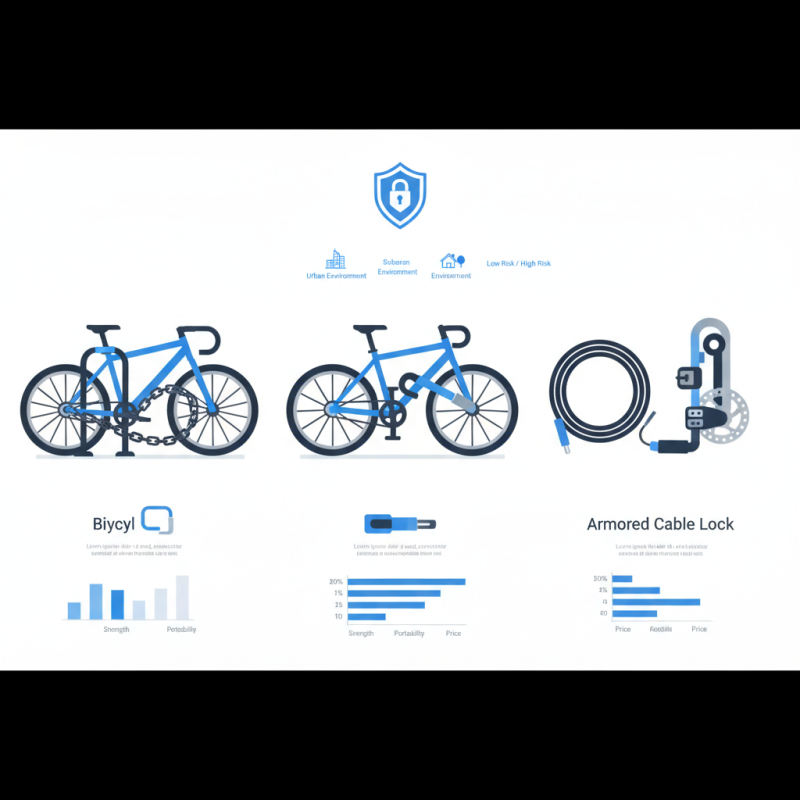
Types of Bike Locks: An Overview of Popular Options
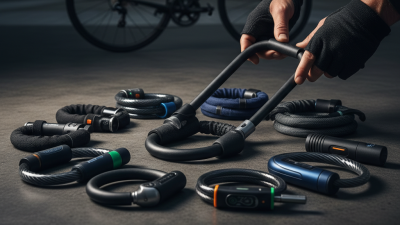
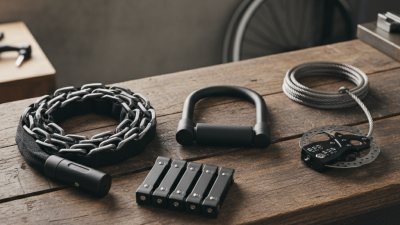
When selecting a bike lock, it's important to understand the various types available. U-locks are among the most popular choices due to their robust design. They typically feature a solid metal shackle that resists cutting and prying. However, some users find them bulky and difficult to carry. It’s worth considering your bike's size and your carrying preferences when choosing a U-lock.
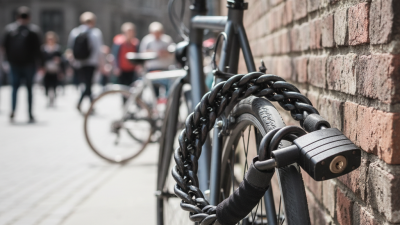
Chain locks are another common option. They offer flexibility in securing your bike to various objects. These locks can be heavier but provide an excellent balance between weight and security. Users often struggle with the length of the chain, leading to compromises on where the bike can be secured. Understanding how you’ll park your bike can influence your choice here.
Cable locks offer lightweight protection but are generally less secure. They are easy to manipulate, making them suitable for low-crime areas. Still, many cyclists reflect on their safety after experiencing bike theft. A combination of different lock types may lead to better security outcomes. Each option has its pros and cons, requiring careful consideration based on personal needs and scenarios.
Factors to Consider When Choosing a Bike Lock
When choosing a bike lock, several factors come into play. Security rating is crucial. According to studies by the Bicycle Security Coalition, locks with a high-security rating are less likely to be compromised. Look for locks graded by organizations like Sold Secure or ART. These independent bodies provide reliable evaluations based on real-world testing.
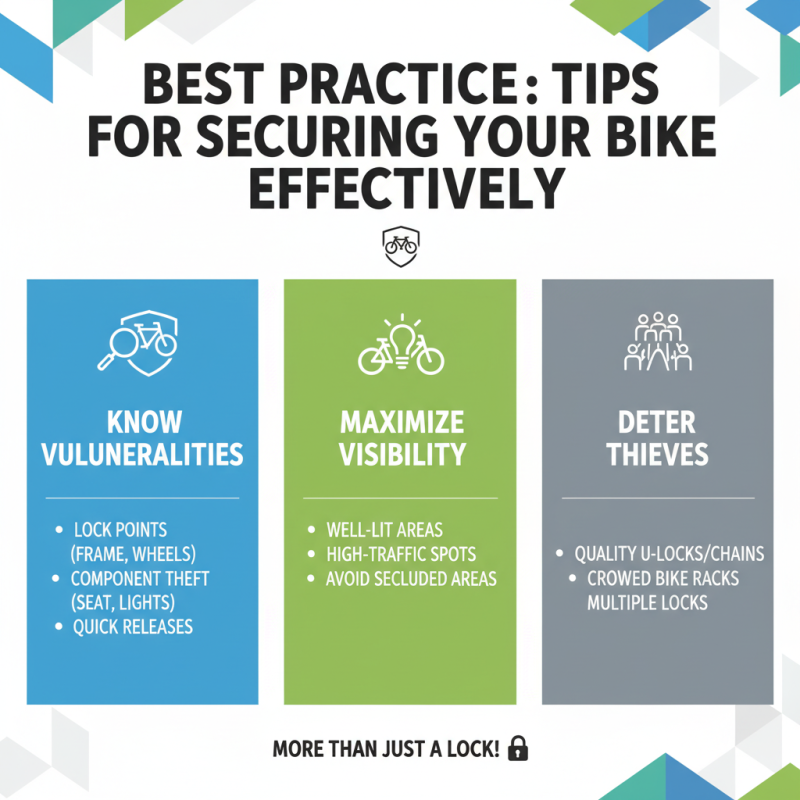
Material matters, too. Strong locks often use hardened steel. This construction resists cutting and hammering. Lightweight locks may be convenient but can be easy targets for thieves. According to the National Bike Registry, around 1.5 million bikes are stolen annually. A robust lock can deter potential thieves, increasing your bike's security.
Tips: Always assess the lock type. U-locks tend to be safer than chain locks. Consider your parking situation. If you must leave your bike in a high-crime area, opt for a heavier, more secure model. Regularly check for wear and tear. Even the best locks can fail without proper maintenance. Reflect on past experiences, as even minor oversights can lead to theft.
Best Bike Lock Options for Ultimate Security and Protection
| Lock Type |
Security Rating |
Weight |
Length |
Price Range |
| U-Lock |
High |
2.5 lbs |
12 inches |
$50 - $100 |
| Chain Lock |
Medium |
3.2 lbs |
36 inches |
$30 - $80 |
| Folding Lock |
High |
4 lbs |
30 inches |
$70 - $120 |
| Cable Lock |
Low |
1.2 lbs |
8 feet |
$15 - $40 |
| Smart Lock |
Medium |
2.7 lbs |
12 inches |
$100 - $200 |
Comparing Security Ratings of Different Bike Locks
When choosing a bike lock, security ratings are crucial. These ratings assess the ability of a lock to withstand various theft methods. According to a report by the Association of Bicycle Manufacturers, over 1.5 million bicycles are stolen each year in the U.S. alone. This staggering number highlights the need for comprehensive security measures.
The most common rating systems include Sold Secure and ART. Sold Secure certifies locks based on their resistance to cutting, picking, and other forms of tampering. Locks rated Gold offer the highest security. ART ratings categorize locks in a similar way, focusing on durability and effectiveness. A study found that only 23% of bike owners use locks rated as Gold or equivalent. This leaves many bikes vulnerable.
Another critical point is the choice between cable locks and U-locks. Cable locks provide flexibility but offer lower security. Conversely, U-locks are more robust but can be cumbersome to carry. A buyer’s guide from the Cycling Safety Agency noted that thieves often target bikes secured with low-rated locks. Choosing the right lock can make a significant difference in bike theft prevention.
Maintenance and Care for Your Bike Lock for Longevity
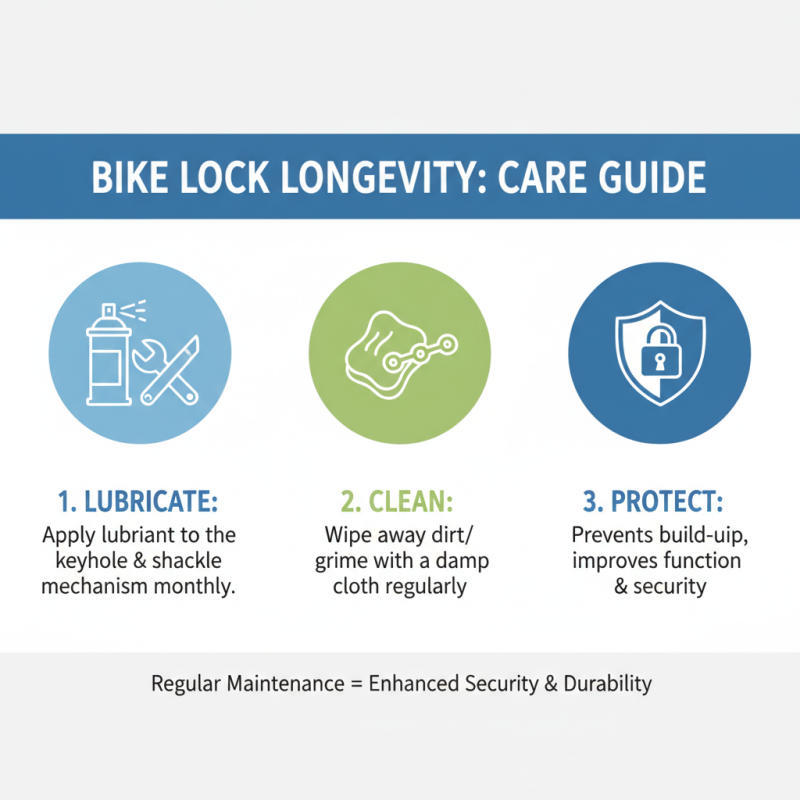
Taking care of your bike lock is crucial for its longevity. Regular maintenance not only ensures your lock functions properly but also enhances its security. Start by cleaning your lock. Use a damp cloth to wipe away dirt and grime. Build-up can impede its performance, making it easier for thieves.
Lubrication is essential for all moving parts. Apply a silicone or graphite lubricant to the keyhole and shackle. Avoid using oil-based products as they attract dust and dirt. When locks become stiff, they are more vulnerable to wear. Regular lubrication can prevent this, keeping your lock operational longer.
Store your bike lock in a dry place when not in use. Moisture can cause rust, compromising the lock's strength. If you notice any signs of corrosion, take action immediately. Replace any damaged parts if necessary. A little effort in maintenance now can save you from costly replacements later. Your bike’s safety relies on the security of its lock, so treat it with respect.