10 Best Bike Cycle Locks for Global Buyers
For riders who park outside a station, café, or office, a dependable Bike Cycle Lock is practical equipment, not an afterthought. The right choice depends on where you ride, how long the bike stays unattended, and what you need to carry. A compact cable may suit quick stops in a visible place, while a hardened U-lock or substantial chain can offer greater peace of mind for longer parking. No lock makes a bicycle impossible to steal. That matters.
This guide compares ten bike locks for buyers in different regions, focusing on security design, portability, ease of use, and everyday value. We look at details riders can check, including shackle thickness, locking mechanisms, weather protection, mounting brackets, and stated weight. Specifications can vary by model and market, so confirm the exact version and warranty before buying. Ratings and independent testing can help, but they do not fit every situation. A lock that is too heavy may stay at home; one that is easy to carry is more likely to be used. Small trade-off.
The selections aim to help commuters, students, and touring cyclists narrow their options without suggesting one product suits everyone. Consider your frame, wheel setup, usual parking spots, and access to local replacement support. Then compare the price with your bike’s value and the inconvenience of losing it. A little doubt is healthy. Security claims deserve careful reading, and real-world use is rarely as tidy as a product page suggests.
How Bicycle Locks Protect Bikes from Theft
A bicycle lock does not make a bike theft-proof; it raises the time, noise, and effort required to take it. Thieves often look for an easy opportunity, so a visible, properly fitted lock can discourage quick attempts. That matters. A lock is only as useful as the object securing it.
Use a sturdy U-lock or chain through the frame and, when possible, a wheel. Attach it to a fixed rack that cannot be lifted or unscrewed easily. Keep the lock snug and off the ground. Excess slack gives tools room, and ground contact may help someone apply force. A thin cable is convenient for a quick stop, but offers less resistance to cutting.
Choose a lock that fits your bike and routine, rather than carrying a heavy one you leave at home. At a café, a busy, well-lit rack is generally a better choice than an isolated post behind a building. Check the frame, wheel, rack, and lock before walking away. Small habits help. No lock removes all risk, and even careful parking can feel imperfect on a crowded street.
The Main Types of Bicycle Locks and How They Differ
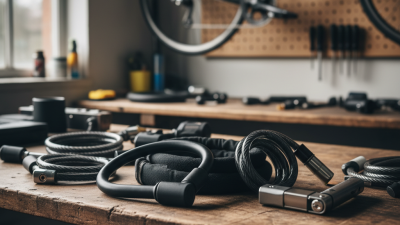
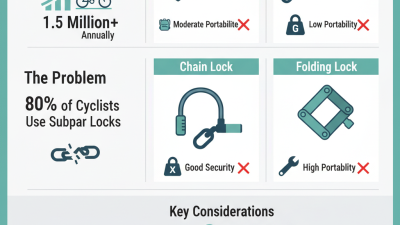
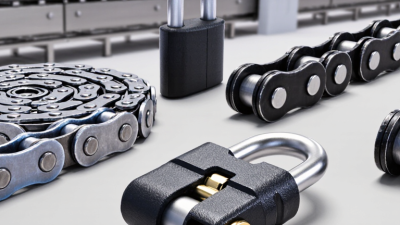
Bicycle locks differ in how they resist cutting, leverage, and theft opportunities. A U-lock has a compact hardened-steel shackle that is difficult to twist when closely fitted around a frame and fixed rack. It can be awkward on thick posts. A chain lock bends around larger objects, but its weight makes long rides less comfortable. Chain thickness alone does not prove strength; links, material, and lock mechanism matter.
Folding locks pack neatly and offer more reach than many U-locks, though their joints add potential weak points. Cable locks are light and flexible, but are better for low-risk stops or securing accessories than protecting a whole bicycle alone. Frame locks stop a wheel from turning, yet do not attach the bicycle to an object. That distinction is easy to miss. The ART Foundation uses a one-to-five-star certification scale for bicycle locks, while the European standard EN 15496 sets testing requirements for cycle locks. These ratings help compare tested resistance, not guarantee safety. A useful choice matches the lock to the parking location, the object being secured, and how much weight a rider will actually carry. I would still check the exact tested model and fit; small details change the outcome.
What Global Buyers Should Compare Before Choosing a Lock
For global buyers, compare a lock against the actual parking risk, not its advertised weight.
The UK Office for National Statistics recorded about 77,000 bicycle-theft offences in England and Wales in the year ending March 2024. That figure reflects one region and police records, not every theft worldwide. Still, it shows why a quick café stop and an overnight street stay deserve different security levels.
Sold Secure’s published bicycle-lock scheme grades products from Bronze to Diamond through attack-resistance testing. Check the tested category, not just a maker’s claim.
Fit matters.
Next, assess how the lock works with your frame, wheel, and usual parking point.
A rigid shackle can resist cutting well, but may not fit around a thick rack. A chain offers more reach, though its weight becomes noticeable on long rides.
Weight adds up.
Check the lock’s usable internal dimensions, key or combination access, and whether its coating may scratch paint. Buyers crossing climates should also inspect corrosion guidance and warranty coverage in their destination market.
I would not treat one rating as a guarantee; test standards cannot reproduce every tool, angle, or parking situation. When possible, secure the frame and a wheel to a fixed object, then check that the lock cannot be lifted away easily.
Ten Bicycle Locks for Different Security Needs and Riding Styles
The best bicycle lock depends on where you ride, how long you leave your bike, and what you can comfortably carry.
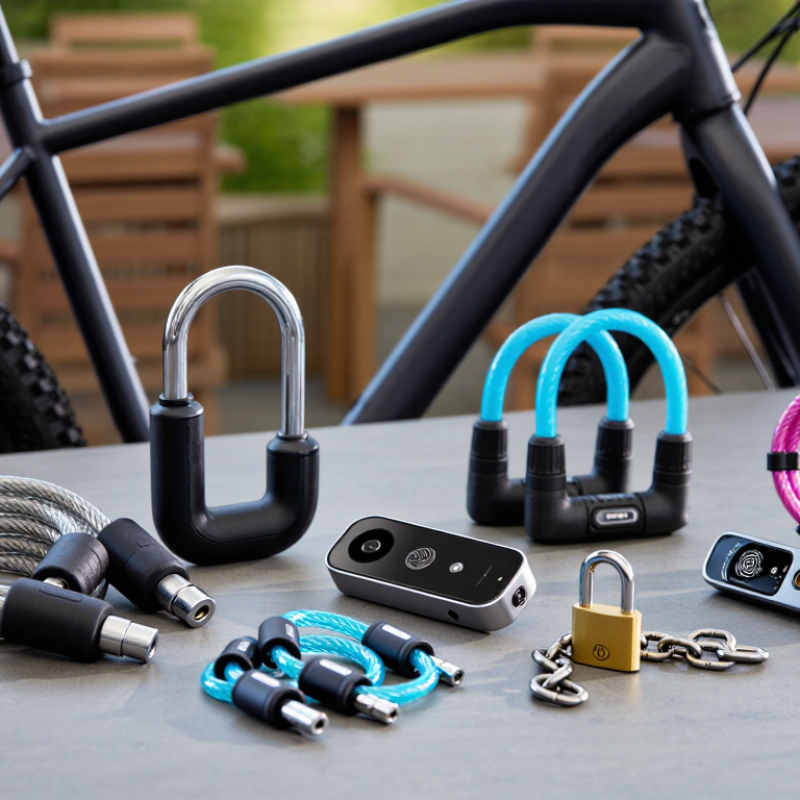
A compact U-lock suits quick city stops and fits easily in a frame-mounted bracket. A long-shackle U-lock can secure the frame and wheel together, though its extra reach may add weight. Heavy chains offer flexible locking around wide racks, while folding locks pack neatly for commuters who dislike bulky gear. Choose carefully.
Cable locks are light and handy for low-risk stops, but they offer less resistance to cutting than sturdier options. A spiral cable reaches around accessories; it works better as a secondary lock than as the only defense. Frame-mounted ring locks are convenient for brief errands, and an extension chain can secure the bike to a fixed rack. Alarmed U-locks add a loud alert, while wearable chain locks are easy to carry but can feel heavy against the body. There are trade-offs. Check that each lock fits your frame, rack, and daily route. I would not assume a heavier lock is always better; awkward gear often gets left at home. Test the setup before relying on it.
How to Choose, Use, and Maintain a Bicycle Lock
Choosing a bicycle lock starts with your route, parking time, and bike value. A compact cable is easy to carry, but it offers less resistance to cutting. A hardened chain or U-shaped lock can provide stronger protection, though it adds weight. Check the lock’s independent security rating where available, and consider whether its size fits common racks in your area. The best choice is the one you will actually carry.
Use the lock to secure the frame and, when possible, a wheel to a fixed rack. Keep the lock off the ground, where tools can gain leverage, and leave little room inside it. Check that the rack is firmly anchored and that your bike cannot be lifted over it. Small details matter. A quick shake can reveal a loose rack or poor placement. I still find that tight spaces make good locking awkward; take a moment to reposition the bike rather than settle for a weak attachment.
Keep the keyhole clear of grit and moisture, and wipe the lock dry after rain. Inspect the body, links, and locking mechanism for cracks, heavy rust, or sticking. Follow the maker’s care instructions instead of adding an unapproved lubricant. Store a spare key separately, not beside the bike key. Then test it. If the key turns roughly or the mechanism fails to close, replace or service the lock before relying on it.
Typical Bicycle Lock Weight by Type
Approximate weight ranges for common lock types; actual weights vary by model, length, and materials.
Cable locks are generally lighter to carry, while chains often weigh more. Choose a lock that balances portability with the level of security your parking location requires.