-
Phone
-
E-mail
-
Whatsapp
-
WeChat

Leave Your Message
Choosing the best China supplier for a Lock For Bike Helmet takes more than comparing prices. The right product should secure a helmet conveniently without adding excessive weight or bulk. It should also work with common helmet straps, bike frames, or storage points. Small details matter. A stiff cable can be awkward to thread through narrow vents, while a weak clasp may frustrate daily use.
A careful sourcing process starts with clear requirements. Ask suppliers about cable material, lock type, dimensions, finishes, packaging, and available customization. Request product samples and test them with the helmets and bicycles your customers actually use. Check how smoothly the lock opens, whether the cable resists surface wear, and whether the product remains practical after repeated handling. Ask for quality-control procedures and relevant product documentation, then confirm that specifications match the sample.
There is no universal “best” supplier. A factory with a low quotation may not offer the finish, consistency, or communication your project needs. That is easy to overlook. Compare production capacity, sample lead times, defect-handling processes, and response quality before placing a larger order. If possible, review the product in person or arrange an independent inspection. These steps cannot remove every sourcing risk, but they make supplier comparisons more grounded. The best choice is the one that can reliably meet your requirements—and explain its limits clearly.
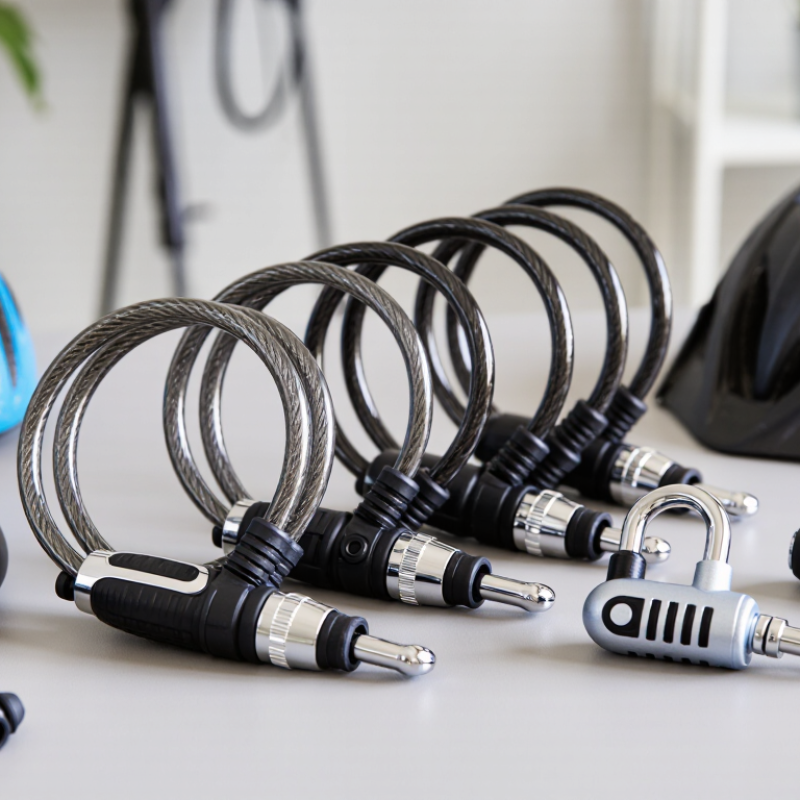
What Is a Lock for a Bike Helmet?
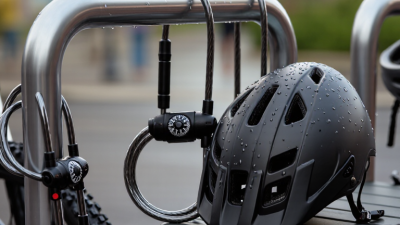
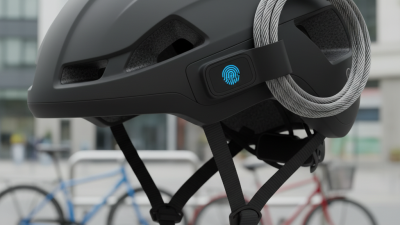
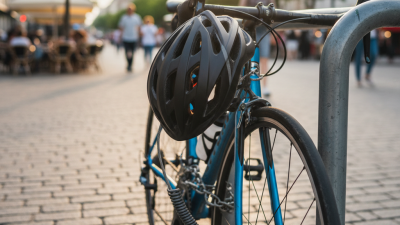
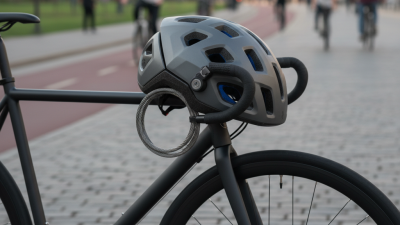
A bike helmet lock is a small security device that helps keep a helmet with a parked bicycle. Common designs use a flexible cable, a compact combination lock, or a short tether. The cable passes through a helmet opening and attaches to the bicycle frame or a fixed rack. It is meant to deter quick, opportunistic taking, not defeat every theft attempt. It’s a modest safeguard.
Fit matters. A cable should pass through a ventilated section without scraping or pressing hard against the helmet’s foam liner. Avoid forcing it through narrow vents or leaving the helmet dangling where it can swing into a wheel. Some helmets have few suitable openings; in that case, a separate helmet carrier may be more practical. A lock secures the helmet, but it does not protect it from rain, heat, or impact damage.
The helmet itself has a more important job. A 2017 meta-analysis in the International Journal of Epidemiology reported that helmet use was associated with 51% lower odds of head injury and 69% lower odds of serious head injury among cyclists. That research supports wearing a properly fitted helmet, not relying on a lock for safety. A helmet lock can preserve the equipment between rides, though it cannot promise complete security. One trade-off is easy to miss: a heavier cable may feel reassuring, yet be inconvenient enough to leave at home.
| Lock Type | How It Works | Typical Use | Advantages | Limitations | Choosing Considerations |
|---|---|---|---|---|---|
| Coiled cable lock | A flexible cable passes through the helmet and around a fixed bicycle part, then secures with a key or combination mechanism. | Short stops in relatively low-risk locations. | Flexible, compact, and easy to route through helmet vents or straps. | Thin cables may be vulnerable to cutting tools; cable length and thickness vary. | Check cable diameter, usable length, locking mechanism, and whether the cable fits the helmet’s openings. |
| Combination cable lock | A cable lock opens with a user-set number combination rather than a key. | Everyday use when carrying a key is inconvenient. | No separate key is required; the combination can be reset on some models. | The code must be remembered, and combination features do not make a thin cable resistant to cutting. | Confirm how the code is set or changed and whether the controls are easy to operate. |
| Keyed cable lock | A key-operated cylinder secures a flexible cable around the helmet and bicycle. | Riders who prefer key-operated locking. | Simple operation and flexible routing for different helmet shapes. | A key can be lost, and security depends on the cable and cylinder construction. | Review the number of supplied keys, replacement-key arrangements, and cable construction. |
| Helmet-specific lock | A compact locking device is designed to secure a helmet, often by using a cable or a helmet strap attachment point. | Keeping a helmet with a parked bicycle during a brief stop. | May be smaller and easier to carry than a general-purpose bicycle lock. | Fit and attachment methods can differ; some designs may not suit every helmet. | Check compatibility with the helmet, bicycle attachment point, and intended locking method. |
| Small U-lock used with a helmet | A rigid shackle is passed through a suitable helmet opening or strap area and around a secure bicycle frame component. | Situations where a compact rigid lock is already being carried. | A rigid shackle is less flexible to route but can provide a more substantial physical barrier than a thin cable. | May not fit through helmet openings or around the bicycle and helmet together; size and weight can be less convenient. | Check internal shackle dimensions and ensure the helmet can be attached without damaging it. |
| General-purpose bicycle lock with an accessory cable | A cable is used to include the helmet while the main lock secures the bicycle to an immovable object. | When securing several items with a bicycle lock system. | Can secure the bicycle and helmet in one setup when the cable and lock are compatible. | The accessory cable may offer less resistance to cutting than the main lock. | Verify cable compatibility and use the main lock to secure the bicycle frame to a fixed object. |
Note: A helmet lock helps deter opportunistic theft but does not make a helmet theft-proof. Actual security depends on the lock’s construction, how it is attached, the surrounding conditions, and the time the bicycle is left unattended.