Top Lock Bike Helmet Features You Need to Know?
Lock Bike Helmets are an essential safety gear for cyclists. According to the National Highway Traffic Safety Administration (NHTSA), wearing a helmet reduces the risk of head injury by 85%. This statistic highlights the significance of choosing the right helmet. A quality Lock Bike Helmet not only provides safety but also enhances comfort and style.
When selecting a helmet, focus on features like adjustable straps, ventilation systems, and weight. A 2021 report from the Insurance Institute for Highway Safety indicates that cyclists who choose well-fitted helmets report greater satisfaction and a higher likelihood of wearing them consistently. However, many still overlook vital aspects, such as proper fitting and maintenance, which can compromise safety.
As cycling popularity continues to grow, so does the diversity of helmet options available. Riders often feel overwhelmed by choices. While advanced features catch the eye, essential aspects like impact resistance and durability should not be ignored. The right Lock Bike Helmet balances safety with personal preference. It’s a decision that can significantly impact a cyclist's experience.
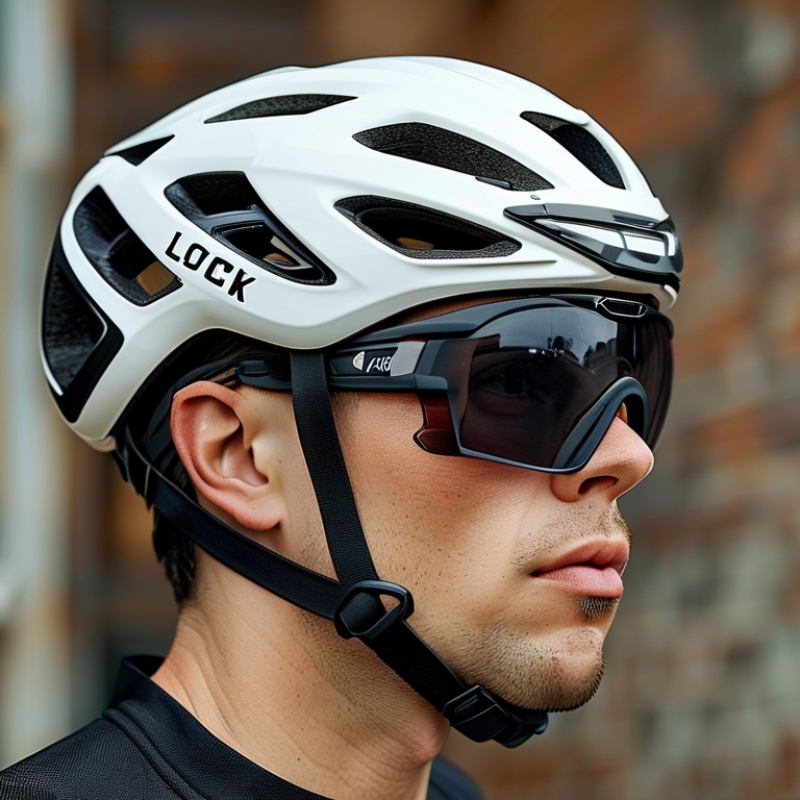
Essential Safety Features of Top Lock Bike Helmets
When choosing a bike helmet, safety should be your top priority. A well-constructed helmet features several essential attributes. Look for one with robust outer shells made from durable materials. These shells provide excellent impact resistance. A multi-density foam lining adds an extra layer of protection, absorbing shock during a fall.
Ventilation is another crucial feature. Proper airflow keeps the rider cool, especially on long rides. Helmets with adjustable vents allow you to customize airflow. This detail enhances comfort, promoting longer wear. The fit should also be adjustable. A secure fit ensures that the helmet stays in place during high speeds.
Reflective elements can increase visibility during low-light conditions. This can be a lifesaver in urban settings. Not all helmets have these features, so it’s essential to check. While some helmets may look stylish, safety shouldn't be compromised for aesthetics. Remember, a helmet's primary function is protection, and it must meet safety standards. Consider your local terrain and riding style when selecting your helmet. Each helmet should reflect your specific needs. It's a thoughtful decision for every cyclist.
Ventilation Systems: Keeping Your Head Cool and Comfortable
Ventilation systems in bike helmets are crucial for comfort. A well-ventilated helmet allows air to flow freely, preventing overheating during rides. When cycling, your body generates heat. Without proper airflow, this heat can lead to discomfort and fatigue.
Look for helmets with multiple vents positioned strategically. These designs channel air, helping keep your head cool and comfortable.
Materials also play a vital role in ventilation. Lightweight, breathable fabrics in the interior reduce humidity. Sweat evaporates faster, keeping you dry. However, not all ventilation systems are created equal. Some may have too few vents, leading to inadequate airflow. Others might have vents that are too large, compromising safety.
Balance is key.
Testing different helmets can provide insights into what works best for you. Everyone has a unique head shape. What fits one person might not fit another. Take the time to explore options.
Fit and ventilation technology can make a huge difference during long rides. Finding the right balance will enhance your cycling experience significantly.
Adjustable Straps and Fit Systems for Optimal Security
When choosing a bike helmet, adjustable straps and fit systems are crucial. These features ensure the helmet fits snugly and securely on your head. A well-fitted helmet reduces the risk of movement during rides, providing better protection. Straps should be easy to adjust, allowing for a personalized fit. Look for systems that allow for both vertical and horizontal adjustments. This flexibility can accommodate different head shapes and sizes.
Many riders overlook the importance of fit. A loose helmet offers little security. On the other hand, a helmet that is too tight can cause discomfort. It's essential to try on different models to find the right balance. Personal preference plays a significant role here. Some may prioritize comfort, while others focus on safety features. It's a reflection of individual riding habits and the environment.
Remember that not all helmets offer the same adjustability. Some models may have limited features, which can impact safety. Pay attention to how the straps sit against your skin. Uneven or uncomfortable pressure can lead to distracted riding. It’s beneficial to take the time to research and test various options before making a choice. Your helmet is an investment in your safety and comfort.
Impact Resistance and Certification Standards Explained
When choosing a bike helmet, understanding impact resistance is crucial. Helmets undergo various tests to ensure safety. They must meet certain standards before reaching consumers. The most recognized are the CPSC, EN 1078, and ASTM certifications. These standards define thresholds for impact, penetration, and retention, ensuring a helmet can protect the head effectively.
Impact resistance measures how a helmet absorbs energy during a crash. A good helmet reduces the force transmitted to the skull. However, not all helmets provide the same level of protection. Some may excel in urban environments but fall short in off-road scenarios. It’s essential to analyze how the helmet’s structure, including the foam and shell, contributes to its safety features.
Not all certifications are created equal. Some helmets may appear certified but lack robust testing. It can be tempting to rely solely on labels. A deeper understanding of what these certifications entail helps consumers make informed choices. Consider the design and the materials used. Sometimes, a helmet might look stylish but doesn’t offer proper protection. Evaluating these factors keeps cyclists safe on the road.
Stylish Designs and Customization Options for Personal Preference
When choosing a bike helmet, stylish designs matter. Many cyclists, especially younger ones, value aesthetics as much as safety. Reports show that 75% of riders prefer helmets that reflect their personal style. Customization options play a crucial role in making a helmet feel unique. From vibrant colors to patterns, personalized designs enhance the biking experience.
Tip: Assess your preferences before making a purchase. Try on different styles to see what suits you best. Look for adjustable features that allow you to adapt the fit according to your needs.
Functionality should not be overlooked. Modern helmets come with removable visors, integrated lights, and ventilation systems. These features not only add functionality but can also be tailored to your riding style. A recent market study indicates that helmets with these additions are 30% more likely to be chosen by cyclists.
Customization trends continue to grow, but remember that style should not compromise safety. Your helmet’s ratings and certifications are important. You want a helmet that protects while keeping you stylish. Always check safety standards before finalizing your choice.