What is a Cycle Lock Chain and How Does It Work?
In today's urban landscape, the need for effective bike security is paramount. One solution that stands out is the Cycle Lock Chain. According to industry reports, the global bike security market is projected to reach $1.6 billion by 2026. This highlights the increasing demand for reliable locking mechanisms. Cycle Lock Chains are a popular choice among cyclists due to their flexibility and strength.
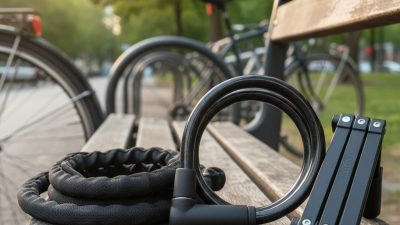
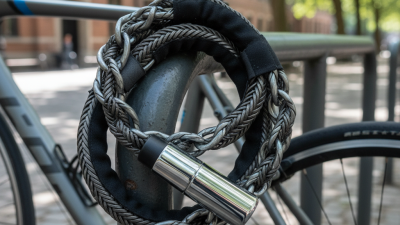
A Cycle Lock Chain consists of hardened steel links. These links deter theft by being difficult to cut. Many models come with a protective cover to prevent scratches. However, not all chains are created equal. Some are heavier and less portable, which can discourage regular use. A common mistake is assuming heavier chains are always better. It's important to find a balance between weight and security.
While using a Cycle Lock Chain can significantly reduce the risk of theft, no lock is entirely foolproof. Reports indicate that thieves are becoming more sophisticated. This calls for vigilance from cyclists. Regular inspections of locks and securing bikes in well-lit areas can enhance security. The key is to combine smart practices with the right tools. With this in mind, understanding how a Cycle Lock Chain works is essential for all bike owners.
Understanding Cycle Lock Chains: Definition and Purpose
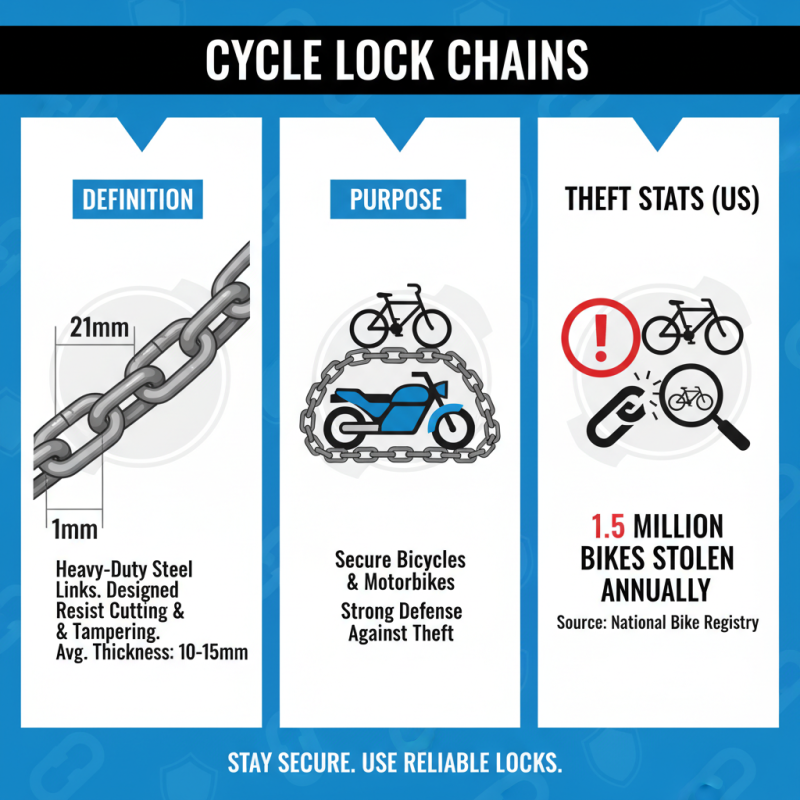
Cycle lock chains are critical for securing bicycles and motorbikes. They are made of heavy-duty steel links and designed to resist cutting and tampering. The average thickness of these chains is about 10-15mm, providing a strong defense against theft. A study by the National Bike Registry reveals that nearly 1.5 million bicycles are stolen each year in the U.S. alone. This alarming statistic highlights the need for reliable locking mechanisms.
Using a cycle lock chain effectively requires more than just purchasing one. Proper usage is essential. Many users fail to secure their bikes correctly, often locking only the frame. This leaves the wheels vulnerable. Additionally, choosing a chain based on length is crucial. A chain that’s too short may not reach fixed objects, while an overly long chain can be cumbersome and easy to bypass.
Regular maintenance of the lock chain is also overlooked. Rust and dirt can compromise its integrity, rendering it less effective. According to security experts, checking locks periodically can prevent unexpected failures. The reality is that not all chains offer equal protection. It's vital to assess various types before making a choice, as some may not withstand determined theft attempts.
Key Components of a Cycle Lock Chain Explained
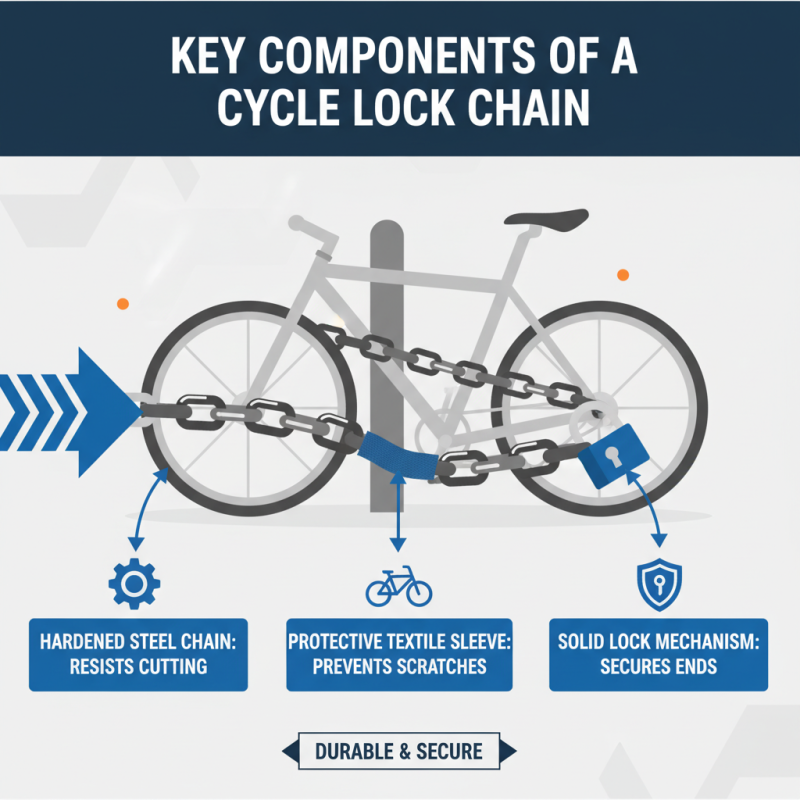
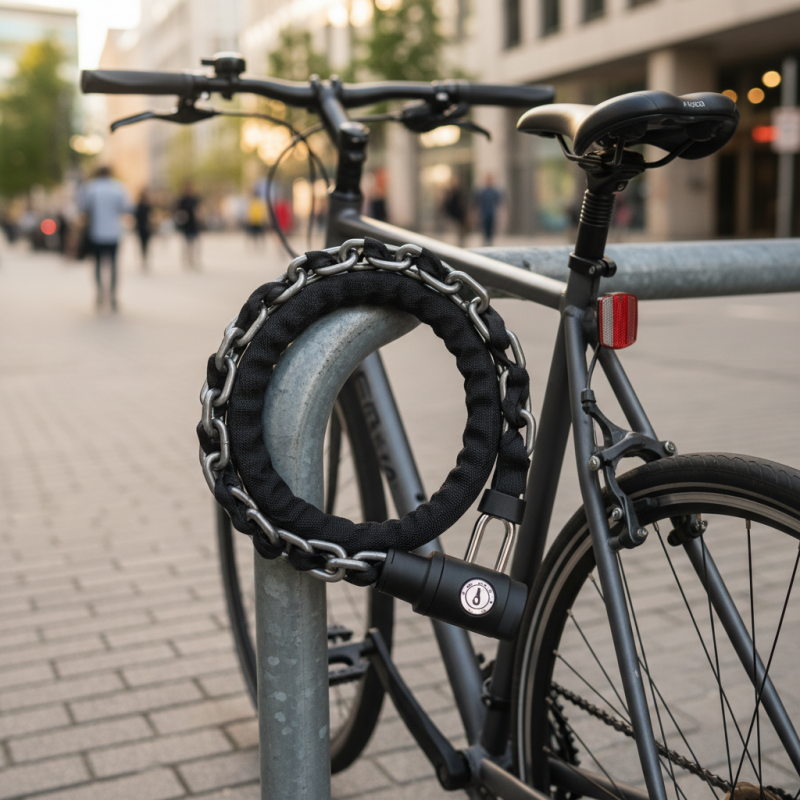
A cycle lock chain is a popular choice for bicycle security. It consists of a durable chain, usually made from hardened steel. This material resists cutting and sawing attempts. The links are often covered by a protective sleeve, which helps prevent scratches on your bike's frame. A solid lock mechanism secures the ends of the chain together.
Understanding the key components is vital. The chain links are thick and robust, offering resistance against various theft methods. A high-quality lock often accompanies the chain. Some locks use a key, while others feature a combination mechanism. This adds another layer of security.
Installation varies, but using a cycle lock chain effectively is crucial. Ensure you lock the frame and both wheels to an immovable object. In some cases, people only secure the frame, leaving the wheels vulnerable. Additionally, location matters. Parking in well-lit, busy areas is preferable, as it can deter potential thieves. Regular checks on the chain's condition are also essential; wear and tear can weaken its effectiveness.
How Cycle Lock Chains Function: Mechanisms and Security
Cycle lock chains are essential for protecting bicycles from theft. These chains typically consist of strong materials, like hardened steel, designed to resist cutting and pulling. The mechanism of a cycle lock chain relies on a combination of locking systems, often employing a dual-lock feature that secures both ends of the chain. This design enhances security, making it difficult for thieves to use typical tools to break the lock. A study by the National Bike Registry indicates that bicycles secured with quality locks have a 60% lower theft rate compared to those without.
Proper use of a cycle lock chain enhances its effectiveness. It is crucial to secure both the frame and the wheels to an immovable object. A common mistake is locking only one wheel, leaving the other vulnerable. Additionally, avoid using long chains that can be manipulated. When choosing a location, opt for well-lit, high-traffic areas. These steps increase friction against theft and deter potential thieves.
Tips: Always inspect your lock for wear and tear. Even the best lock can fail if it is damaged. Regular maintenance can prevent such issues. Remember, a lock is only as strong as its weakest point. Always stay informed about the latest security techniques to adapt your locking strategy if needed.
Advantages of Using Cycle Lock Chains for Bicycle Security
Cycle lock chains offer robust security for bicycles. They are made of strong, interlinked materials, making it difficult for thieves to cut or break. Many cyclists appreciate how these chains are portable and can easily be attached to bike frames. A heavy-duty chain with a durable lock can deter most would-be thieves.
Using a cycle lock chain provides multiple advantages. They are often long enough to secure the bike to fixed objects like trees or racks. The flexibility of the chain allows for creative locking options that some rigid locks do not offer. Still, it’s important to remember that no lock is impervious. A determined thief may find a way around it. Some users might underestimate the importance of proper locking technique. Just securing the frame might not be enough; one should also lock the wheels.
In urban settings, cycle lock chains shine in practical use. They can withstand harsh weather conditions, yet prolonged exposure can lead to rust. Riders often find that investing in a quality chain yields better security. However, some chains can be heavy and cumbersome to carry. Cyclists need to balance security with convenience when choosing a cycle lock chain.
Choosing the Right Cycle Lock Chain: Factors to Consider
When choosing a cycle lock chain, consider several key factors. The length of the chain matters significantly. A longer chain allows you to secure your bike to various objects, but it can also be heavier. Weight is often overlooked. A heavy chain adds extra load when cycling, which might deter daily use.
Material is equally important. Chains made from hardened steel offer better resistance to cutting. However, not all steel chains are equal. Some may appear strong but can easily be compromised. Pay attention to the thickness as well. A thicker chain may provide better security, yet it might feel cumbersome. Balance security and convenience wisely.
Locking mechanism choice can influence security as well. Some locks feature complex designs, which can be harder to crack. Simplicity, while convenient, may compromise security. It's often a trial-and-error process. Investing time in understanding different options is crucial. Reflecting on your usual parking environment can also guide your decision, as different areas have unique risks.
Cycle Lock Chain Security Ratings
This chart displays the security ratings of different types of cycle lock chains. The ratings are based on their resilience against theft, with a score out of 10 indicating their level of security. As seen, Lightweight locks provide minimal security, while Maximum Security locks are designed to withstand significant attempts of theft.