How to Choose the Best Cycle Bike Lock for Your Needs?
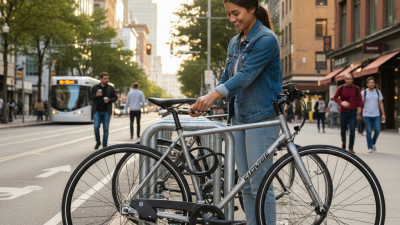
When it comes to safeguarding your cycling investment, choosing the right Cycle Bike Lock is crucial. Reports indicate that bike theft statistics have been steadily rising, with approximately 1.5 million bicycles stolen annually in the U.S. alone. This alarming figure highlights the importance of securing your bike effectively.
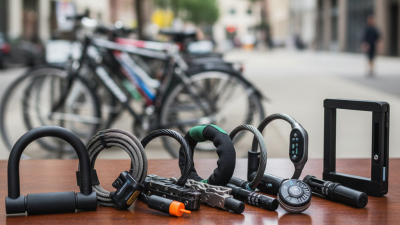
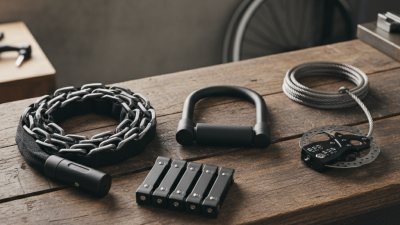
Different types of locks offer varying levels of security. U-locks, chain locks, and folding locks each have their strengths and weaknesses. For instance, while U-locks are often praised for their strength, they can be cumbersome. Chain locks are heavy but versatile, which can be a double-edged sword. Your choice should consider how and where you park your bike frequently.
Ultimately, no lock can guarantee absolute safety. Even the best locks can be compromised if not used correctly. Reflecting on personal experiences can help. Have you ever felt uneasy about locking your bike in a crowded area? The right Cycle Bike Lock is more than a security tool; it’s peace of mind for every ride.
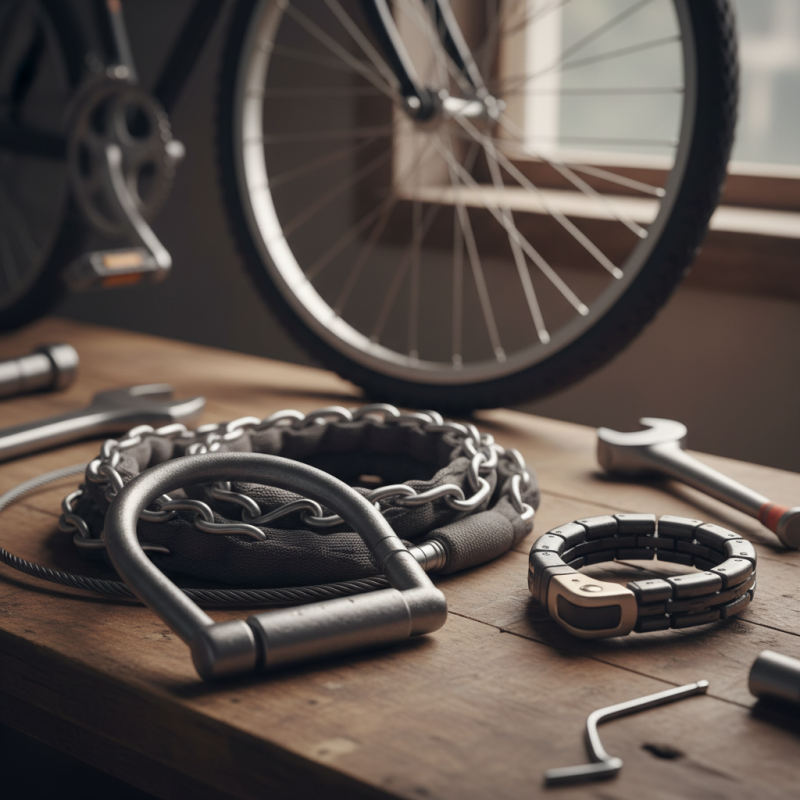
Understanding Different Types of Cycle Bike Locks Available in the Market
When choosing a cycle bike lock, it's essential to understand the various types available.
U-locks are a popular choice. They offer solid security due to their sturdy structure. However, their
bulk can be a drawback for some cyclists.
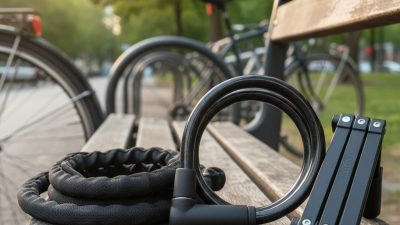
Chain locks provide versatility. They can secure multiple parts of your bike and can be easier to use. Yet, they can be heavy and cumbersome, which may deter daily use.
A folding lock strikes a middle ground. It’s portable and provides decent security but might not be as
robust as U-locks for high-risk areas.
Consider your environment when selecting a lock. Sometimes, a simple cable lock
seems convenient. However, these usually offer minimal protection. Think about where you park your bike and how valuable it is.
Reflect on your routine and choose a lock that fits without overwhelming you.
Security should never feel like a burden.
Evaluating Security Levels: What Makes a Bike Lock Secure?
When choosing a bike lock, security levels matter significantly. A secure lock can deter thieves effectively. According to a recent industry report, over 1.5 million bicycles are stolen each year in the U.S. alone. This alarming statistic emphasizes the need for high-quality locks. Many locks are tested on a scale from 1 to 10. Higher numbers indicate better security. Look for locks rated above 7 for urban areas.
Material and design are crucial elements. Locks made from hardened steel are much tougher. They resist cutting and sawing better than cheaper options. U-locks often offer superior protection compared to chain locks, which can be vulnerable to bolt cutters. However, even the strongest lock can't guarantee safety. Environmental factors, such as the location and duration of the lock-up, play a big role.
A well-designed lock should have both a strong body and a secure mechanism. Thieves often develop new tactics to bypass locks. In 2022, a study showed that nearly 40% of bike thefts involved some form of manipulated lock. It's essential to frequently reassess your locking method. A secure lock today may not be secure tomorrow. Always stay informed about the latest security weaknesses.
Considerations for Choosing the Right Size and Length of a Bike Lock
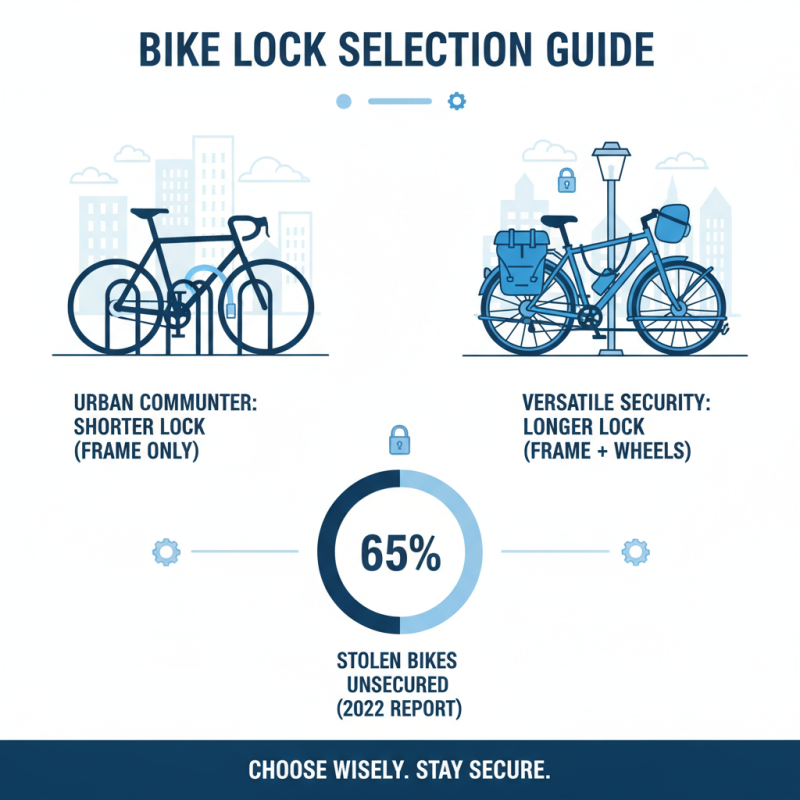
When selecting the right size and length for a bike lock, several factors come into play. A crucial aspect is the type of bike and where you park it. For urban commuters, a shorter lock may suffice for securing the frame. However, longer locks offer flexibility, especially for securing both the frame and wheels. According to a 2022 industry report, 65% of stolen bikes were left unsecured due to inadequate locking options.
The typical bike frame length is around 17-22 inches. A lock that is too short will limit your locking options. Conversely, a lock that is too long may be cumbersome to carry. Having a lock that measures 30 inches or more can cater to various locking needs. Many cyclists reported that a lock between 30 to 50 inches is ideal for city use.
Lastly, assessing your surroundings is important. Are you in a crowded area? Or a secluded spot? Each environment requires different lock dimensions. Ignoring the size can lead to missed security. In a recent survey, 30% of cyclists expressed regret over inadequate lock sizes after experiencing theft. Thus, consider your specific needs carefully when choosing.
Assessing Portability and Ease of Use in Bike Lock Options
When choosing a bike lock, portability and ease of use are crucial factors. A lock that is too heavy or bulky can deter you from securing your bike. Look for lightweight materials that won't weigh you down during your ride. Some locks are designed to easily attach to your bike frame while riding. This feature can be a game-changer for commuters who need to balance security and portability.
Ease of use often determines the effectiveness of a bike lock. If a lock is complicated, you might avoid using it altogether. Choose a lock you can operate quickly, especially in busy urban areas. Some models may claim to be user-friendly but can be frustrating in practice. Test different locking mechanisms to find the one that suits your preferences.
Consider the lock's everyday usability. It should fit in your bag without taking up too much space. Reflect on your typical environments, whether they are quiet parks or bustling streets. If the lock feels more like a burden, you might not use it consistently. Staying secure doesn’t mean sacrificing convenience; the right choice balances both perfectly.
Budgeting: Finding a Quality Bike Lock Without Breaking the Bank
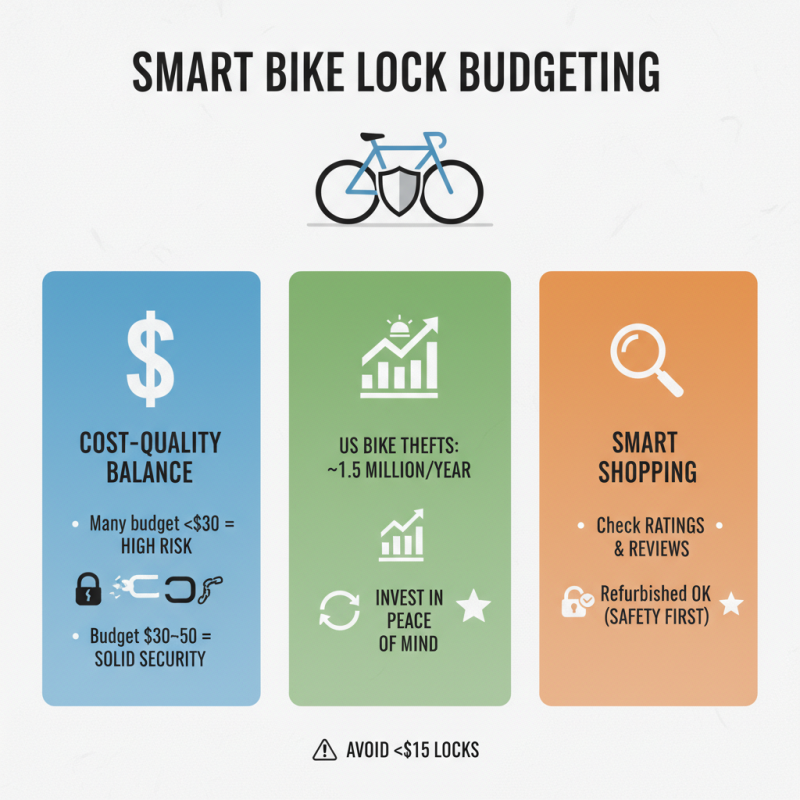
When looking for a reliable bike lock, budgeting is crucial. Many cyclists struggle to balance quality with cost. Research indicates that around 1.5 million bicycle thefts occur annually in the US. A good lock is essential for protecting your investment. However, you don’t need to empty your wallet to find a strong option. For instance, a study by the National Bicycle Greenway reveals that spending between $30 and $50 can get you a solid U-lock or chain lock. These locks have rating scores showing their effectiveness against theft. Many low-cost options lack this security, which can be a gamble. Also, consider used or refurbished locks, but ensure they meet safety standards. Spending less doesn't always mean getting less. Sometimes, it’s tempting to buy a cheap lock. In many situations, this leads to regret. A $15 lock may seem attractive but can compromise your bike’s safety. Taking time to compare features and reviews pays off. Remember, investing in a quality lock protects your bike and your peace of mind.