How to Choose the Best Bike Lock for Your Needs?
Choosing the right bike lock is essential for protecting your investment. A good bike lock serves as your first line of defense against theft. With so many options available, selecting the best fit can be daunting.
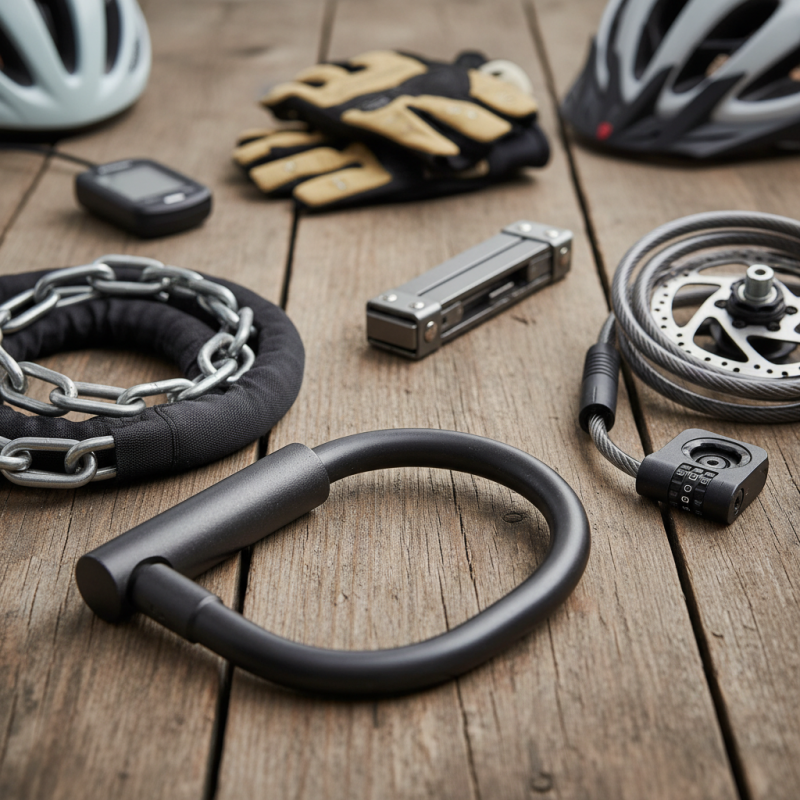
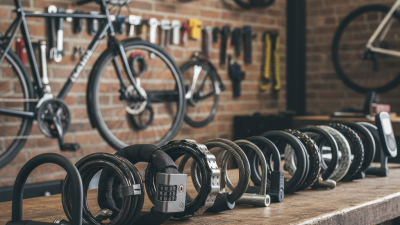
There are various types of bike locks, each offering different levels of security. U-locks are popular for their strength, while chain locks provide flexibility. However, not all bike locks are created equal. Some may have vulnerabilities that make them easier to pick or cut. It’s crucial to consider these factors when making a choice.
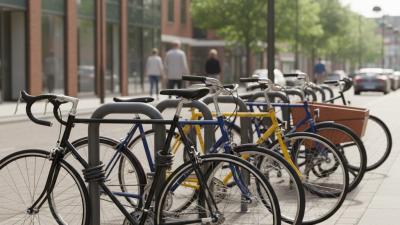
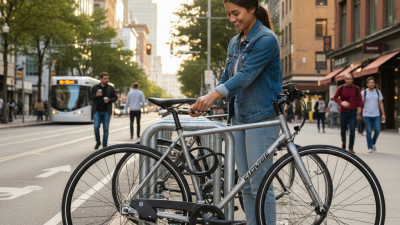
Reflect on your biking habits and the places where you park. A lightweight lock might be suitable for short stops but may lack security in high-risk areas. Conversely, heavier locks can offer more protection but may be cumbersome to carry. Assessing your needs will help you find the bike lock that truly serves your purpose.
Understanding the Different Types of Bike Locks: A Comprehensive Overview
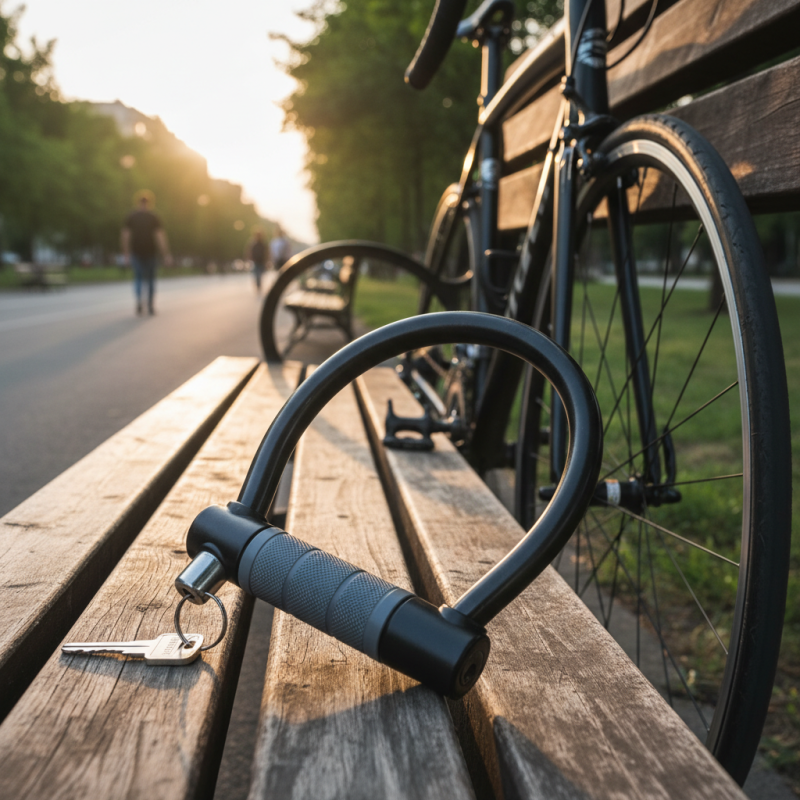
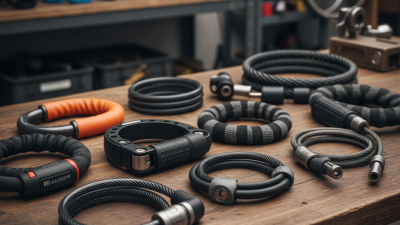
When selecting a bike lock, understanding the different types is crucial. There are primarily four categories of locks: U-locks, chain locks, folding locks, and cable locks. U-locks are known for their strength, often rated at a high security level. A 2021 report from the Bicycle Security Association noted that U-locks deter about 80% of opportunistic thieves. They are compact and easy to use, but their sizes can limit what you can secure.
Chain locks offer versatility and are great for larger bike frames. They are harder to cut, especially those made from hardened steel. However, their weight might be a concern if you’re traveling. Folding locks are a blend of both U and chain locks. Their compact design allows for easier portability. Interestingly, studies suggest that while many cyclists prefer cable locks for their lightweight nature, they provide a false sense of security. These locks can be easily cut within seconds, emphasizing the importance of choosing the right one.
Many cyclists overlook their local crime statistics when purchasing a lock. A 2022 survey showed that 30% of bike thefts occur near homes, indicating the need for robust home security as well. The challenge lies in finding a balance between portability and security. A lock that’s easy to carry isn’t always the safest option. Explore options that fit your lifestyle while taking theft rates into account.
Evaluating Security Ratings: The Importance of Sold Secure and ART Certifications
When choosing a bike lock, security ratings are crucial. Two significant certifications to consider are Sold Secure and ART. These organizations evaluate locks based on industry standards. Their ratings help consumers select products that offer the best protection. A Sold Secure gold rating indicates high security against theft. ART ratings provide a similar benchmark, rating locks from one to five stars.
Understanding these ratings can be overwhelming. Not all locks carry these certifications, and not all ratings are created equal. Some locks may look sturdy but lack proper testing. Therefore, always check for these certifications before making a purchase. You want a lock that will not fail you, especially in high-risk areas.
Consider your bike’s value too. A high-end bike deserves a robust lock. A cheap lock might seem attractive, but its low rating speaks volumes. You may think, "It’s just a quick trip," yet theft can happen in seconds. Balancing cost and security is vital. A more secure lock is often worth the investment.
Security Ratings of Bike Locks
Assessing Lock Materials: Steel Grades and Their Impact on Durability
When choosing a bike lock, the material plays a crucial role.
Steel is the most common choice. Different grades of steel offer
varied levels of security. Stainless steel is resistant to rust. However, it can be softer than
other types. High-carbon steel can withstand more force. This type of steel
is often used in higher-quality locks.
Lock thickness also matters. A thicker lock made from high-carbon steel generally offers better protection.
However, some larger locks can be heavy. It's essential to balance weight with security. Many cyclists make a mistake by prioritizing convenience over safety.
A lighter lock might seem appealing, but it could compromise your bike's security.
Considering these factors can be challenging. Not all steel locks are created equal. Some are hard to cut, while others wear out quickly.
Check specifications and reviews for durability. Even reputable-looking locks can fail under stress.
Reflect on your surroundings when locking your bike. High-risk areas may warrant heavier,
more durable locks.
Weight vs. Security: Finding the Right Balance for Your Bike Lock Choice
When choosing a bike lock, consider the balance between weight and security. A heavy lock often offers better protection. But it also increases the burden of carrying it. If you don’t ride often, a robust lock might be worth the extra weight. However, if you commute daily, you may prefer a lighter option.
Lightweight locks are easier to carry, but they might compromise security. Thieves often target bikes with flimsy locks. Think about your environment. Are thefts common in your area? If so, invest in a more secure lock, even if it weighs more. Many cyclists struggle with this decision. It’s hard to find a lock that feels right. You can’t always have both.
Reflect on your biking habits. Do you leave your bike for long periods? If yes, prioritize security over weight. If you take short trips, a lighter lock could suffice. Ultimately, your choice should reflect your lifestyle. A lock serves its purpose when it fits your needs.
How to Choose the Best Bike Lock for Your Needs? - Weight vs. Security: Finding the Right Balance for Your Bike Lock Choice
| Lock Type |
Weight (lbs) |
Security Rating |
Price ($) |
| U-Lock |
2.5 |
9/10 |
50 |
| Chain Lock |
3.5 |
8/10 |
65 |
| Folding Lock |
3.0 |
7/10 |
70 |
| Cable Lock |
1.5 |
4/10 |
25 |
| Smart Lock |
2.0 |
7/10 |
150 |
Additional Features to Consider: Keyed vs. Combination Locks and Their Pros/Cons
Choosing between keyed and combination bike locks can be tricky.
Keyed locks are traditional. They require a physical key to unlock. This makes them often more secure. A good quality keyed lock is tough to pick.
However, losing your key can be a real hassle. If you often forget things, this might not be the best option for you.
On the other hand, combination locks use a numerical code. They offer convenience since you don't carry a key. Just remember the code!
But what if you forget it? That can lead to frustration. Also, combination locks can sometimes be easier to crack than keyed options.
Always evaluate how you plan to use your bike. Your environment matters.
If you park in high-risk areas, a sturdy keyed lock may provide better protection. Be sure to weigh those factors before making your choice.