How to Choose the Best Bike Cycle Lock for Your Bike Security?
In today's cycling world, securing your bike is paramount. A recent survey revealed that 1.5 million bikes are stolen annually in the U.S. alone. This staggering number highlights the urgent need for a reliable Bike Cycle Lock. Choosing the right lock can mean the difference between keeping your bike and losing it to theft.
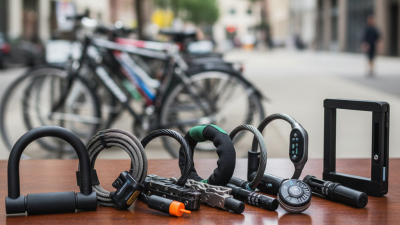
When considering a Bike Cycle Lock, various factors come into play. There are U-locks, chain locks, and folding locks, each presenting unique advantages and drawbacks. For instance, U-locks offer solid security but can be cumbersome to transport. On the contrary, a chain lock may provide flexibility, but it can still be easily cut. Many cyclists often overlook these critical details, leading to poor choices when protecting their investment.
Moreover, a good lock shouldn't just deter thieves; it should suit your lifestyle too. A lock that’s too heavy might discourage daily use. Conversely, a lightweight lock may compromise security. Finding that balance requires self-reflection on your bike usage habits. Ultimately, understanding these elements will enhance your bike's security and ensure peace of mind.
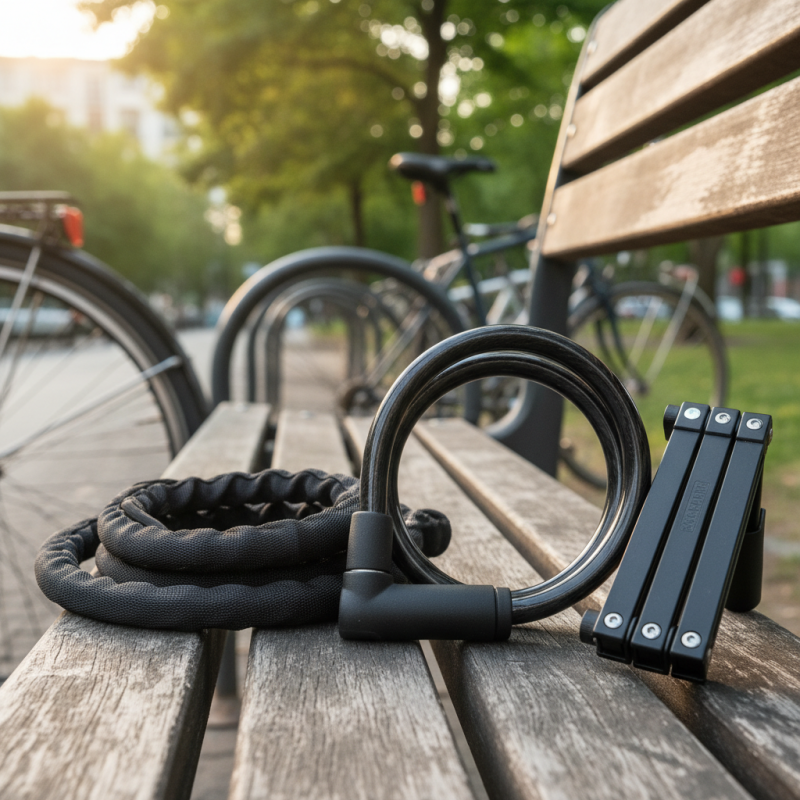
Understanding Different Types of Bike Locks for Enhanced Security
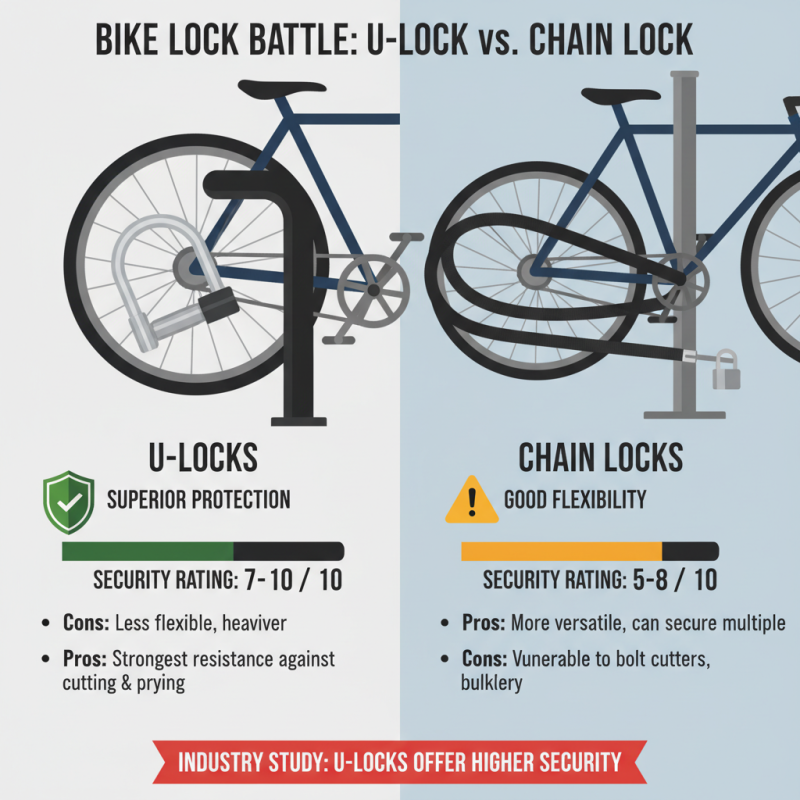
When choosing a bike lock, understanding the types available is crucial. There are several main categories: U-locks, chain locks, and folding locks. U-locks are strong and highly rated for security. According to industry reports, 70% of cyclists prefer U-locks due to their resistance to cutting tools. Chain locks offer flexibility in securing your bike to various objects. However, they often weigh more and can be cumbersome to carry.
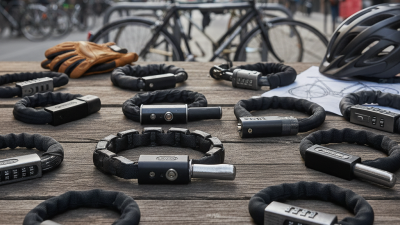
Folding locks blend convenience and security. They are compact and versatile, but some models lack the robustness of U-locks. Data shows that nearly 40% of bike thefts occur from poorly secured bikes. This highlights the importance of choosing a strong lock. Many cyclists still underestimate the threat level. A significant number rely on cheaper, lighter locks, thinking they are safe. In reality, these locks are often easy targets for thieves.
Location matters too. High-crime areas require better security. A fancy lock in a vulnerable area may not suffice. Yet, some believe that just having a lock means their bike is secure. This misconception can lead to unfortunate situations. It's essential to combine the right lock with good habits to truly protect your bike.
Types of Bike Locks and Their Security Ratings
Evaluating the Security Ratings of Various Bike Lock Models
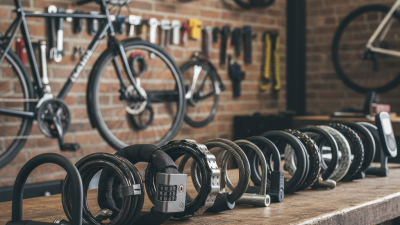
Choosing the right bike lock is crucial for ensuring your bike's security. Various models come with different security ratings, which can be quite confusing. An industry study revealed that U-locks offer superior protection, often rated between 7 and 10 on security scales. Chain locks, while sometimes flexible, typically score lower, ranging from 5 to 8.
Material matters as well. Steel constructions resist cutting more effectively than thinner alternatives. However, locks made of hardened steel can be heavier, impacting portability. Interestingly, the ease of use is often a trade-off with security. Many cyclists opt for lighter locks that provide minimal resistance.
Always evaluate the location when choosing a lock. In urban areas, higher-rated locks may deter thieves. Yet, many cyclists continue to underestimate the risks. A bike left unattended can face theft within minutes. Reports indicate that around 1.5 million bikes are stolen in the U.S. annually. A strong lock is your best defense, but remember it’s not foolproof.
Factors to Consider for Choosing the Right Bike Lock for Your Needs
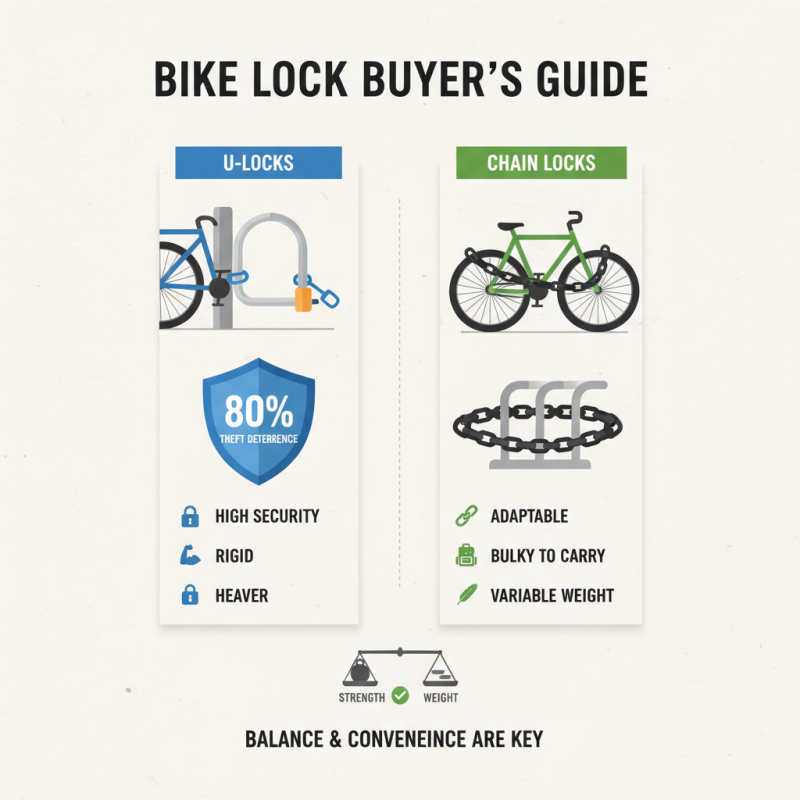
When selecting a bike lock, consider the type of lock that best suits your needs. U-locks tend to offer higher security, with reports showing they deter 80% of theft attempts. On the other hand, chain locks provide flexibility but can be cumbersome. The right balance of weight and strength is crucial. A lock that is too heavy can be a hassle to carry, while one that is too light might be easily compromised.
Material quality is paramount. Locks made from hardened steel resist cutting tools effectively. A study revealed that lower-grade locks can be cut in under a minute. Look for locks with anti-drill features. The locking mechanism should also be simple but robust. Some locks have complex systems that can actually frustrate the user rather than secure the bike.
Consider the frequency of use. A highly secure bike lock can be expensive and heavy for daily commutes. Regular cyclists often prioritize lightweight options that are still safe. Reflect on your own habits. Are you leaving your bike in high-risk areas or secure locations? Your environment should guide your choice, as a lock that suits one person’s needs may not fit another’s lifestyle.
Tips for Proper Use and Maintenance of Your Chosen Bike Lock
Choosing the right bike lock is crucial. However, using and maintaining it properly is equally important. Studies show that over 1.5 million bikes are stolen in the U.S. each year. This alarming number highlights the need for effective lock usage.
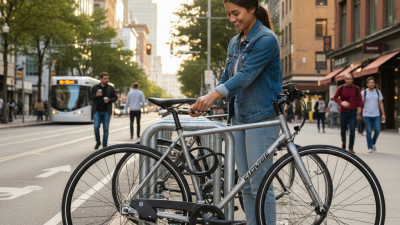
Proper installation is essential. Always secure both the frame and at least one wheel. Use a sturdy lock and make sure it’s high off the ground. Positioning your lock correctly matters. Too low can make it easy for thieves. Additionally, examine your lock frequently for wear. Locks that are rusty or damaged can be easily compromised.
Regular maintenance prolongs the life of your lock. Clean the internal mechanisms with a lubricant regularly. This helps prevent malfunction. Storing the lock in a dry place also prevents rust. Remember, your lock is only as strong as its weakest point. Small oversights can lead to big losses. Taking a few minutes here and there can make a difference.
Best Practices for Locking Your Bike in Different Environments
When locking your bike in a high-traffic area, choose well-lit places. Visibility is key. A thief is less likely to strike if many people can see. Avoid dark corners or hidden spots. You want onlookers to deter any potential theft.
In residential areas, secure your bike to sturdy objects. Rails or bike racks work best. Ensure the lock goes through the frame and wheel. A loose lock can invite trouble. Always check the surroundings before leaving. A vigilant eye can make a difference.
If parking in a less busy area, consider multiple locks. Using different types can confuse potential thieves. A basic lock might prevent quick theft. But it may not stop determined criminals. Reflect on your choices. Every detail, from lock type to location, counts. A cautious approach is always wise.
How to Choose the Best Bike Cycle Lock for Your Bike Security?
| Lock Type |
Security Rating |
Weight (lbs) |
Price Range ($) |
Best Use Environment |
| U-Lock |
High |
3.5 |
50-150 |
Urban Areas |
| Chain Lock |
Medium to High |
4.0 |
30-100 |
Residential Areas |
| Folding Lock |
Medium |
3.0 |
70-150 |
Campus/Downtown |
| Cable Lock |
Low |
1.5 |
15-50 |
Low-risk Areas |