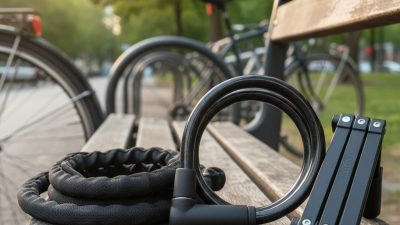
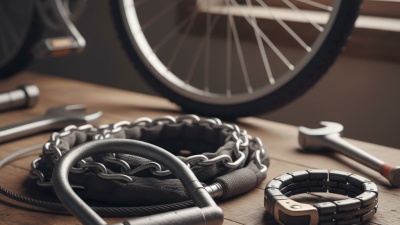
How to Choose the Best Chain Cycle Lock for Your Bike?
Choosing the right Chain Cycle Lock for your bike can be a daunting task. With various options available, it's crucial to understand what features matter most. A high-quality lock not only secures your bike but also offers peace of mind. You invest time and money in your bike; thus, protecting it is essential.
When selecting a Chain Cycle Lock, consider the material and thickness. A thicker chain is harder to cut, while high-grade materials resist corrosion. Look for a lock that boasts high-security ratings. It’s wise to read reviews from other bike owners. They often highlight strengths and flaws. Remember, no lock is completely theft-proof, but a reliable chain can deter most thieves.
Reflect on your usage habits. If you frequently park in high-crime areas, investing in a robust Chain Cycle Lock is wise. Sometimes, cheaper options may seem appealing. However, they can often lead to regret when faced with a theft scenario. Make sure to prioritize security without compromising on convenience. Your bike deserves the best protection you can provide.
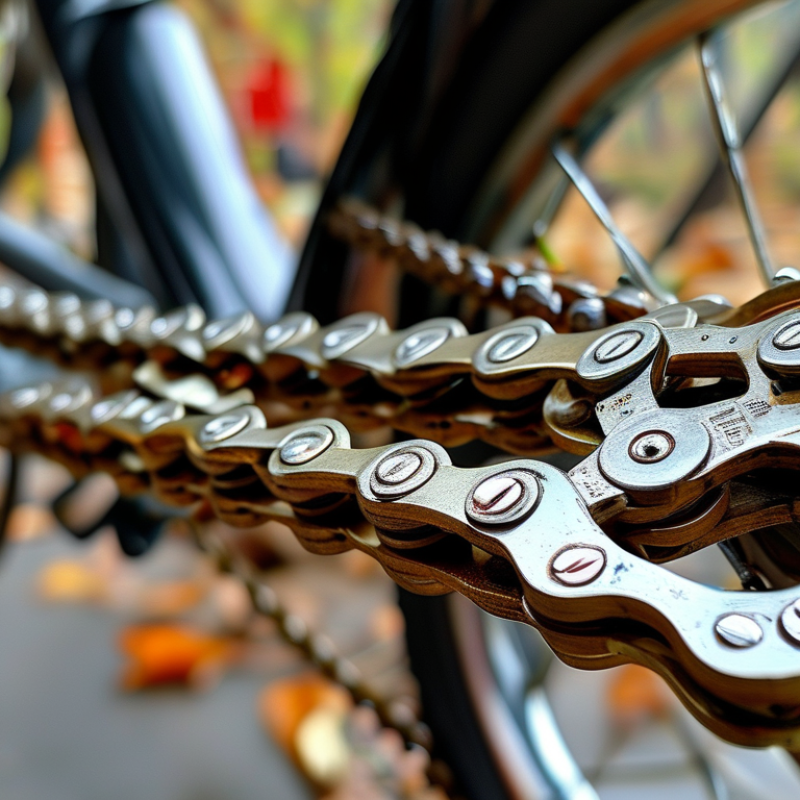
Understanding the Importance of a Quality Chain Cycle Lock
A quality chain cycle lock is essential for protecting your bike. It deters thieves and gives you peace of mind. A strong lock can withstand various force tools and methods. Investing in one can save you from loss and grief.
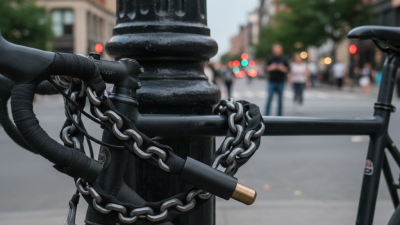
When selecting a chain lock, consider the material. Hardened steel offers better resistance to cutting and sawing. Look for a lock with a thickness of at least 10 mm. Thicker chains are harder to break. Heavy-duty locks might weigh more, but their strength is worth it. Additionally, ensure the length is sufficient for secure anchoring.
Regularly inspect your lock for wear and tear. It's easy to overlook a small crack or rust. These can compromise the lock’s effectiveness. You might find yourself in a vulnerable position if you don’t check. Always use a lock even for short stops. A quick errand can lead to a stolen bike if you're careless. Prioritizing quality in your choice leads to better security and less anxiety.
Types of Chain Cycle Locks: Pros and Cons for Each Option
When choosing a chain cycle lock, understanding the various types is vital. A heavy-duty chain lock often offers robust security. However, its weight can be a drawback for portability. A lighter option might be easier to carry but may compromise on strength. Finding the right balance between weight and security is crucial for daily use.
Another popular choice is the compact chain lock, which is designed for convenience. These locks are more manageable and fit well in a bag. Yet, they might not provide the highest level of protection against determined thieves. Riders need to consider their environment and the risk level before settling on this option. An unreliable lock can lead to regret and loss.
A double-linked chain lock combines flexibility with security. This type can adapt to various locations when locking up. However, it may not have the same strength as heavier models. Users should weigh these pros and cons carefully. Sometimes, a little research may reveal more suitable alternatives. Being informed will lead to better choices in securing bikes.
Key Features to Look for in a Chain Cycle Lock
When selecting a chain cycle lock, focus on critical features to enhance security. Look for a lock made from hardened steel, as it offers resistance against cutting and leverage attacks. Additionally, check the thickness of the chain. A thicker chain is generally more robust and harder to break. Consider the length as well; a longer chain allows you to secure your bike to various objects.
Another important feature is the locking mechanism. A high-quality lock should have a complex locking system that is difficult for thieves to manipulate. Cylinder locks are popular, but pin tumbler designs can also provide excellent security. Assess the weight of the lock too. A heavy lock may offer more durability but can be cumbersome to carry.
It’s essential to read reviews and gather feedback from users. Sometimes, manufacturers exaggerate their products' security. Look for locks with real-world test results. Be cautious; not all locks provide the same level of protection. Ensure that you’re not compromising security for convenience. Remember to review your lock choice periodically. Security needs can change, and so does the effectiveness of your lock over time.
Chain Cycle Lock Security Ratings
Tips for Ensuring Maximum Security with Your Chain Lock
Choosing the right chain lock for your bike is crucial for security. A strong lock can deter thieves and protect your investment. According to a recent survey by the National Bike Registry, over 1.5 million bicycles were stolen in the U.S. last year alone. This alarming statistic highlights the necessity of selecting a reliable chain lock.
When using a chain lock, consider its thickness and material. Look for locks made of hardened steel. Thicker chains, around 12mm, can offer better protection against bolt cutters. Ensure the lock is weather-resistant to avoid rust and wear over time. Regularly inspect your lock for any signs of damage, as even small issues can compromise security.
Use the lock correctly. Secure it to a fixed object and avoid leaving it in easily accessible locations. Try using multiple locking points. A common oversight is relying on a single lock. Many security experts suggest using a second lock, like a U-lock, for added protection. Choose well-lit and busy areas for parking. A visible lock can deter opportunistic thieves.
Maintenance and Care for Longevity of Your Chain Cycle Lock
Maintaining your chain cycle lock is crucial for ensuring its longevity and effectiveness. Regular cleaning helps remove dirt and grime that can accumulate over time. Use a damp cloth to wipe down the chain after each ride. Make this a habit, even when it seems minor. Check for rust or corrosion regularly. If you notice any, it may be time to consider a replacement.
To enhance your lock's durability, store it properly when not in use. Avoid leaving it exposed to the elements. A damp environment can weaken the lock's material. Make sure it is dry before locking up your bike. Additionally, consider lubricating the chain with a suitable product. This keeps it functioning smoothly and can prevent wear over time.
Be mindful of your lock's combination or key. Losing them can be frustrating and lead to unnecessary expenses. Consider keeping a spare key or noting the combination in a secure place. It’s also essential to periodically inspect the lock for any signs of wear or damage. Doing this regularly ensures that your lock continues to protect your bike effectively. Remember, a small effort in maintenance can lead to better security for your bike.
How to Choose the Best Chain Cycle Lock for Your Bike? - Maintenance and Care for Longevity of Your Chain Cycle Lock
| Criteria |
Details |
| Material |
Choose hardened steel for durability and resistance against cutting. |
| Length |
A length of 85 to 120 cm is ideal for various locking scenarios. |
| Weight |
Consider a weight between 1.5 to 3 kg for a balance between security and portability. |
| Lock Mechanism |
Look for a dual locking mechanism for increased security. |
| Care Tips |
Regularly clean and lubricate the lock to prevent rust and ensure smooth operation. |
| Storage |
Store the lock indoors when not in use to extend its lifespan. |
| Warranty |
Choose locks with a warranty period of at least 2 years for better reliability. |