What is a Chain Cycle Lock and How Does It Work?
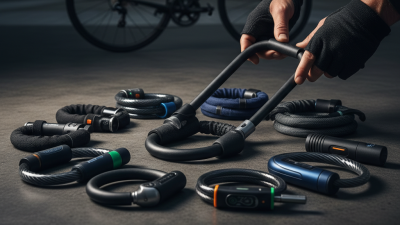
A Chain Cycle Lock is a practical solution for bicycle security. This device typically consists of a sturdy chain with a locking mechanism, combining convenience and strength. Chain locks are often made from hardened steel, providing resistance against cutting and sawing.
When using a Chain Cycle Lock, it’s essential to secure both the bike frame and the wheels. Many users overlook this crucial step, leading to potential theft. Moreover, optimal usage requires selecting a chain length that fits your needs. A longer chain can secure your bike to more objects, but it might be heavier.
Although Chain Cycle Locks are reliable, they can be vulnerable to skilled thieves. It’s important to recognize that no lock is foolproof. Regularly inspecting the lock for wear and tear is crucial for maintaining security. Combining a chain lock with other forms of security can enhance protection. Overall, understanding the workings of a Chain Cycle Lock can help cyclists make informed choices about bike security.
Understanding Chain Cycle Locks: Definition and Purpose
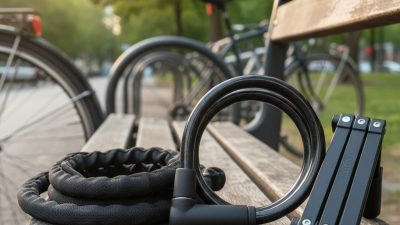
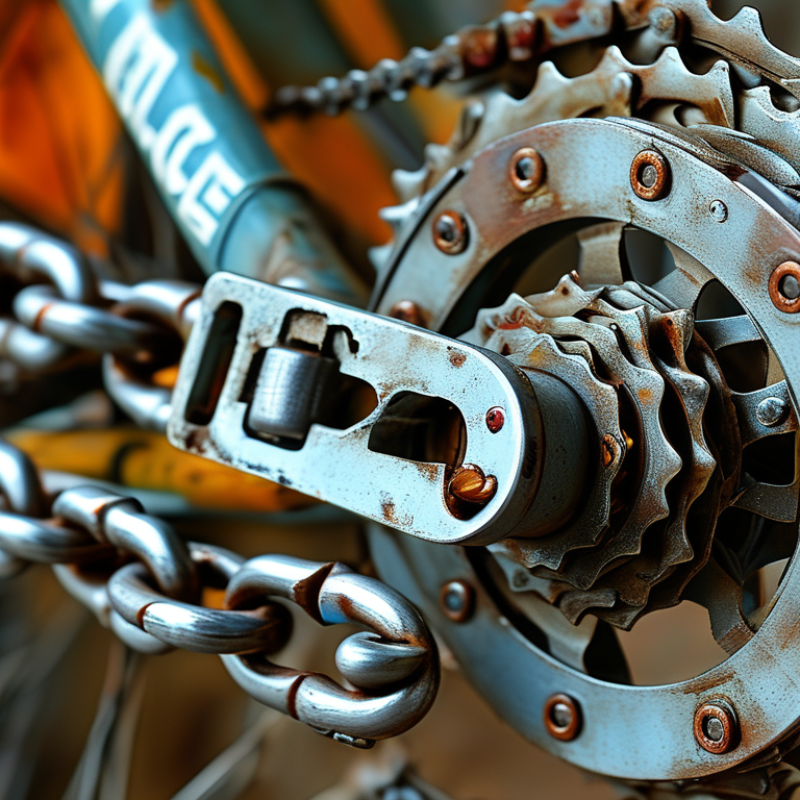
Chain cycle locks are essential tools for cyclists. They are designed to secure bicycles, providing peace of mind in urban and rural settings. These locks consist of a heavy-duty chain and a locking mechanism. The chain can be wrapped around the bike frame and a stationary object, making it difficult for thieves to steal.
Understanding the purpose of a chain cycle lock is crucial for effective use. They serve as a visual deterrent against theft. A sturdy chain may encourage potential thieves to look for easier targets. However, the quality of the lock matters. Some chains are more vulnerable than they appear. Even strong chains can be cut with the right tools.
Using a chain cycle lock also involves some imperfections. Users must remember to secure the lock properly. Failing to cover key weak points can invite trouble. Additionally, factors like weather can affect the durability of the chain. Regular maintenance checks can help ensure long-term reliability. Each cyclist should evaluate their locking practices to improve security.
Components of a Chain Cycle Lock: Materials and Design Features
A chain cycle lock is an essential tool for securing bikes. Its effectiveness relies heavily on the materials and design features used in its construction. Typically, chain locks are made from hardened steel. This material offers a high level of resistance against cutting and sawing. Some locks even incorporate a protective sheath, often made of nylon or PVC. This prevents scratches on your bicycle while boosting visibility.
The design of a chain lock is another crucial factor. A thicker chain often means better security, but it can add weight. Many users overlook weight when choosing a lock, which can be a critical mistake for commuters. A good balance between weight and strength is vital. A chain lock should be flexible, allowing for various locking options. Some chains are more intricate, providing greater challenge to thieves.
Tips: Always inspect your lock for wear and tear. A compromised lock can lead to theft. Consider using additional locks for higher security. Locks with multiple components can deter opportunistic thieves. Remember, no lock offers complete protection, so stay vigilant.
How Chain Cycle Locks Function: Mechanisms and Security Levels
Chain cycle locks are vital for securing bicycles. They consist of a series of links made from hardened steel. This design provides flexibility while making it difficult for thieves to cut through. In recent reports, around 50% of bicycle thefts occur in urban areas. This underlines the importance of choosing a reliable lock.
Understanding how chain locks function is key to ensuring your bicycle's safety. The links are interlocked, and a high-quality lock secures them together. Mechanisms such as key cylinders or combination dials contribute to their security levels. Research shows that locks with thicker chains are harder to cut. For instance, locks with 10mm links offer better protection than those with thinner materials.
**Tip:** Always combine a chain lock with another type of lock for added security. This creates a more challenging situation for potential thieves. Regularly check your lock for wear and tear to maintain its effectiveness. Keep in mind that no lock is entirely foolproof. Awareness and vigilance are your best defenses against theft.
Chain Cycle Lock Security Levels
Industry Standards and Ratings for Chain Cycle Locks
When investing in a chain cycle lock, understanding industry standards and ratings is essential. These standards help consumers gauge the effectiveness and durability of locks. Typically, locks are rated based on their resistance to cutting, picking, and drilling. Higher ratings indicate stronger materials, like hardened steel, which can withstand forceful attacks. Knowing these ratings can guide users towards safer options.
Not all locks are created equal. Some may provide only basic security while others boast advanced features. Look for certifications from recognized organizations—these can signal a lock's reliability. However, even the best-rated locks can have vulnerabilities. The performance can vary depending on usage and environmental factors. It's crucial to regularly inspect and maintain your lock to ensure optimal protection.
In addition to ratings, consider the overall design of the lock. A well-designed chain lock might offer flexibility in securing different types of bicycles. Yet, a bulky lock can be inconvenient to carry around. Balancing convenience with security is necessary for every cyclist. Understanding the varying standards can enhance security and provide peace of mind on the road.
What is a Chain Cycle Lock and How Does It Work? - Industry Standards and Ratings for Chain Cycle Locks
| Lock Type |
Material |
Length (mm) |
Weight (kg) |
Security Rating |
| Basic Chain Lock |
Steel |
900 |
1.5 |
2/10 |
| Heavy-Duty Chain Lock |
Alloy Steel |
1200 |
2.0 |
8/10 |
| Premium Chain Lock |
Tempered Steel |
1500 |
2.5 |
9/10 |
| Portable Chain Lock |
Chromoly Steel |
600 |
1.0 |
5/10 |
Comparative Analysis: Chain Cycle Locks vs. Other Lock Types
Chain cycle locks offer a reliable option for securing bicycles against theft. They consist of heavy-duty chains covered in protective casing, making them durable and resistant to cutting. Comparatively, they outperform traditional U-locks in terms of flexibility and length. Owners can wrap them around various fixtures. However, chain locks can be heavy and bulkier, which might discourage some users.
When debating chain cycle locks versus cable locks, the differences become apparent. Cable locks are lighter but easier to cut through, providing less security. Chain locks, while heavier, generally offer better resistance to dedicated thieves. Their robustness comes with a trade-off for convenience. Users may find chain locks cumbersome to carry. Additionally, while they protect against casual theft, no lock guarantees complete security. Over time, users should remain vigilant and consider their lock's effectiveness compared to evolving theft methods.