What is the Best Cable and Lock for Securing Your Bicycle?
When it comes to bicycle security, selecting the right cable and lock is crucial to preventing theft and ensuring peace of mind for cyclists. According to the National Bicycle Dealers Association, approximately 1.5 million bicycles are stolen in the United States each year, highlighting the need for effective security measures. The choice of cable and lock can significantly impact the likelihood of a successful theft attempt. A study conducted by the Bicycle Security Association indicates that nearly 50% of stolen bikes were secured with low-quality locks, emphasizing the importance of investing in reliable protective gear.
In an industry where innovation continues to enhance security features, understanding the types of cable and lock available is essential for making informed decisions. From thick, durable cables that resist cutting to advanced locking mechanisms that offer improved resistance against picking, the market presents a range of options to suit different needs. This overview will provide insights into the best practices for selecting a cable and lock that not only deter thieves but also enhance the overall security of your bicycle, ensuring that your investment remains protected while you enjoy the freedom of cycling.

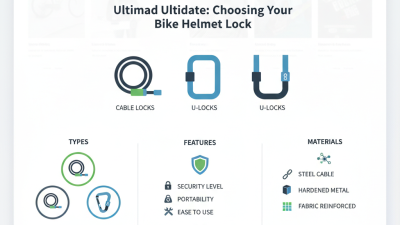
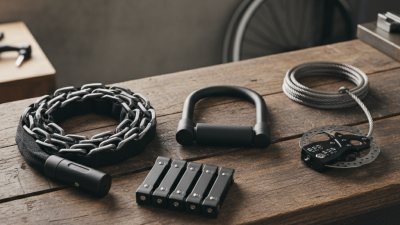
Types of Bicycle Locks: Cable vs. Chain vs. U-Lock Explained
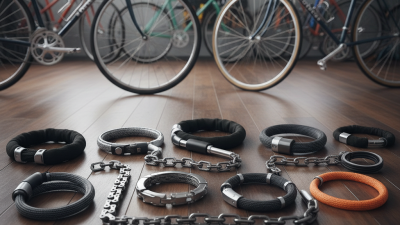
When choosing the best lock for securing your bicycle, understanding the different types is crucial. Cable locks are popular for their lightweight design and flexibility, making them easy to transport and use in various situations. They are typically made of braided steel and come in various lengths, allowing you to secure your bike to various objects. However, while they offer a decent level of security for a quick stop, their cutting resistance is limited compared to other options, which makes them more suitable for low-risk areas.
Chain locks, on the other hand, combine the robustness of a U-lock with the flexibility of a cable. Made from hardened steel links and covered with a protective sleeve, chain locks can be quite heavy but provide a formidable barrier against theft. Their length allows for easy attachment to a bike rack or other secure objects, making them versatile for different locking scenarios. While they offer excellent security, riders should keep in mind that the weight may be a consideration for those who prefer lightweight solutions.
U-locks, known for their solid construction, are often considered one of the safest options for bike security. Their D-shaped design makes them resistant to various forms of tampering and cutting, thus deterring potential thieves. However, U-locks can be less flexible in terms of securing your bike to larger objects, so proper selection of size is essential. For those seeking a balance between security and ease of use, utilizing a combination of these locks may provide the best protection against theft.
What is the Best Cable and Lock for Securing Your Bicycle?
| Lock Type |
Security Level |
Weight |
Flexibility |
Price Range |
| Cable Lock |
Low to Moderate |
1-2 lbs |
Very Flexible |
$10 - $30 |
| Chain Lock |
Moderate to High |
3-5 lbs |
Somewhat Flexible |
$20 - $50 |
| U-Lock |
High |
2-4 lbs |
Less Flexible |
$30 - $100 |
Security Ratings: Understanding the Efficacy of Different Lock Types
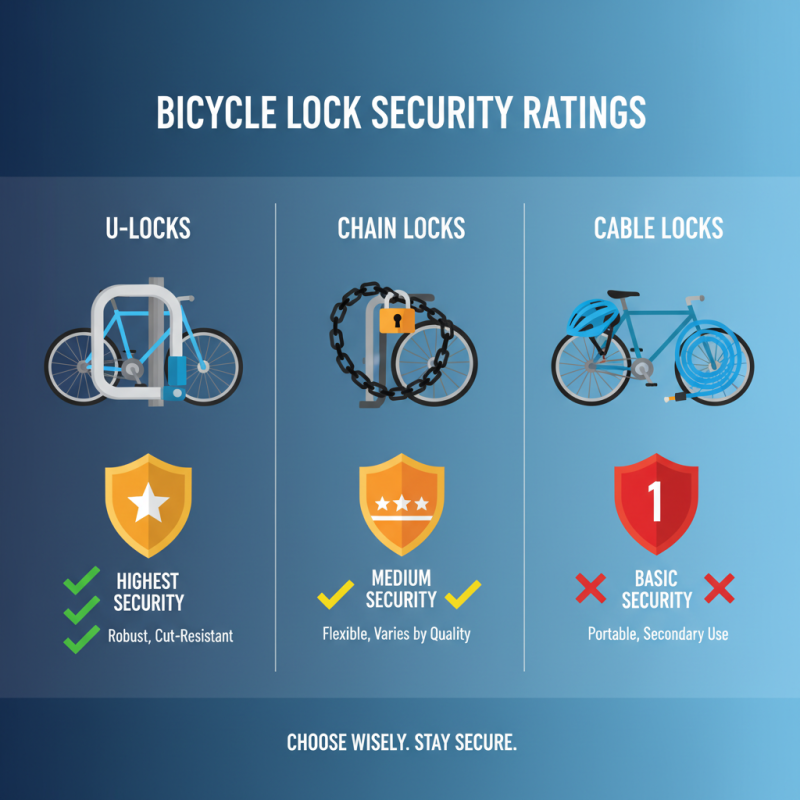
When it comes to securing your bicycle, understanding the security ratings of different lock types is essential. Bicycle locks typically fall into several categories, including U-locks, chain locks, and cable locks, each offering varying levels of protection. U-locks are often regarded as the most secure option due to their robust construction and resistance against cutting tools. On the other hand, chain locks provide flexibility in securing your bike to various structures, but their effectiveness greatly depends on the quality of the chain and lock mechanism. Cable locks are easily portable and convenient for quick stops, yet they often rank lower in security, making them more suitable as secondary options.
Tips: When selecting a lock, look for high security ratings, such as those from independent testing organizations. Always choose locks with hardened materials to resist cutting and picking. Additionally, consider using multiple types of locks to enhance your bike’s security, as this can deter potential thieves. Ensure that your bike is locked in well-lit, high-footfall areas, as visibility can be a significant deterrent to crime.
It's also crucial to regularly inspect your locks for wear and tear. A compromised lock can leave your bicycle vulnerable, so replacing any damaged components is advisable. Remember that no lock can offer absolute security, but understanding the strengths and weaknesses of each lock type will help you make informed decisions to protect your bike effectively.
Cable Strength: The Importance of Thickness and Material in Security
When it comes to choosing the best cable and lock for securing your bicycle, the importance of cable strength cannot be overstated. The thickness of the cable plays a crucial role in deterring theft, as thicker cables are significantly harder to cut through. Industry studies indicate that cables with a diameter of at least 10mm offer a balance between flexibility and security, while those under 8mm can typically be compromised more easily. The material used in cable construction also contributes to its effectiveness; steel cables that are coated with a protective material not only resist cutting but also prevent corrosion, ensuring longevity.
When selecting a cable lock, consider the tensile strength of the material used. Research from the National Bicycle Dealers Association has shown that cable locks made of braided steel are generally more secure than those made solely from solid steel. For optimal protection, look for cables that incorporate advanced security features, such as double locking mechanisms or tamper-resistant designs, which add an additional layer of security against theft.
Tips: Always secure your bicycle in a well-lit area and use multiple locks to protect different components of your bike. By employing a combination of a high-quality cable lock and a heavy-duty U-lock, you enhance your bike’s security profile. Additionally, register your bicycle with your local police department and keep a record of its serial number, making it easier to recover if stolen.
Locking Techniques: Best Practices to Deter Theft of Your Bicycle
When it comes to securing your bicycle, employing effective locking techniques is crucial to deter theft. According to data from the National Bicycle Dealers Association, nearly 1.5 million bicycles are stolen each year in the United States alone, emphasizing the need for cyclists to adopt best practices in bicycle security. One of the most effective techniques is to secure both the frame and wheels to a fixed object using robust locks. Experts recommend using a combination of a U-lock and a high-quality chain lock, as diversifying the locking method can significantly reduce the likelihood of theft.
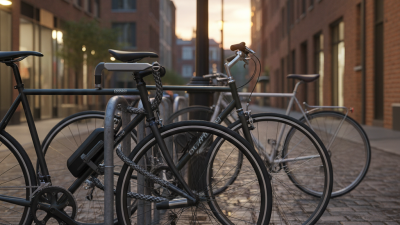
Another critical aspect is the location where you lock your bicycle. Research by the Bureau of Justice Statistics indicates that bicycles parked in well-lit, high-traffic areas are less likely to be stolen. Cyclists should aim to lock their bikes in visible locations and, if possible, use designated bike racks. Furthermore, avoid locking your bicycle in the same spot for prolonged periods, as this can attract the attention of potential thieves. By staying vigilant and making informed choices about both locks and locations, cyclists can greatly improve their chances of keeping their bikes safe from theft.
Market Trends: Analysis of Theft Statistics and Lock Sales Data
The increase in bicycle thefts has prompted a surge in cable and lock sales in recent years. Market trends indicate that urban areas are particularly vulnerable, with statistics showing a marked rise in theft incidents during peak cycling seasons. This has driven consumers to seek out more effective security solutions, leading to a variety of locks and cables being introduced into the market. As theft rates rise, so does the demand for innovative locking mechanisms that provide both security and convenience to cyclists.
When selecting a lock for your bicycle, consider investing in a combination of cable locks and U-locks. U-locks offer robust security, while cable locks can be used for added flexibility when securing accessories or multiple bikes. It's essential to choose a lock that is rated at least level 3 or above on a security scale for optimal protection. Additionally, always lock your bike in well-lit, high-traffic areas to further deter potential thieves.
Another important tip is to avoid locking your bike in the same place consistently. Changing your bike’s location not only reduces the risk of theft but can also confuse would-be thieves who might be monitoring a specific area. Lastly, consider incorporating bike insurance, which adds an extra layer of security and peace of mind, ensuring that you are protected in the unfortunate event of theft.