2026 Top Cycle Lock Options for Every Cyclist's Security Needs?
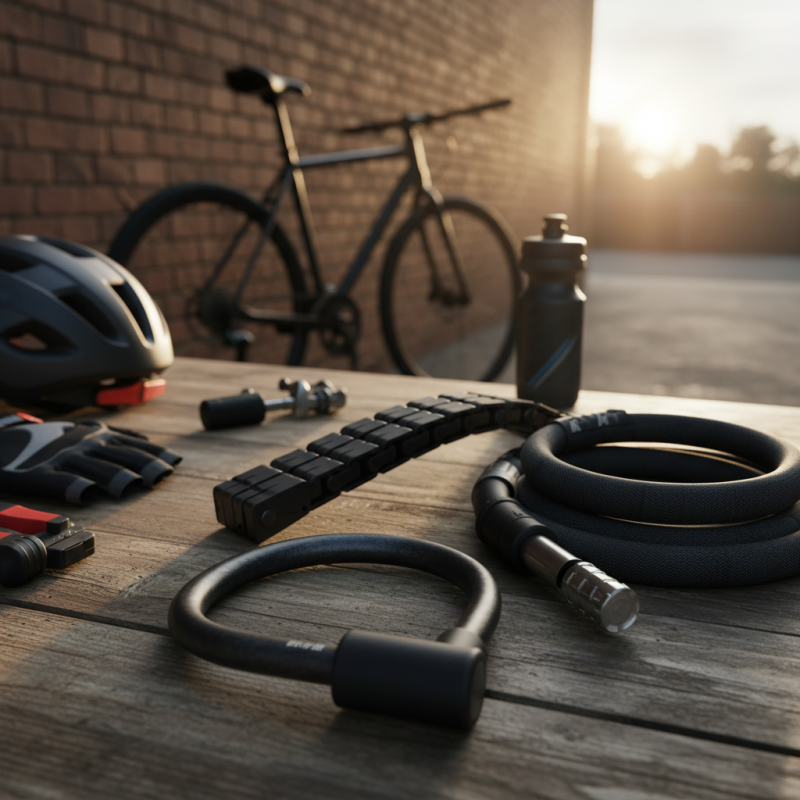
As cycling becomes increasingly popular, the need for reliable security grows. Cyclists face many challenges, including bike theft. A quality Cycle Lock can help ensure your bike remains safe. However, not all locks are created equal.
In 2026, cyclists have more options than ever. There are U-locks, chain locks, and folding locks. Each type offers unique strengths and weaknesses. A U-lock might resist cutting but can be cumbersome. A chain lock could provide flexibility, yet it may be vulnerable to bolt cutters.
Choosing the right Cycle Lock involves considering your circumstances. Do you frequently park in busy areas? A heavy-duty lock may be necessary. Is your bike only for short rides? A lighter option could suffice. Security is vital, yet it should not overly complicate your cycling experience. Each cyclist must weigh convenience against safety; it’s a thoughtful balance.
Understanding the Importance of Choosing the Right Cycle Lock
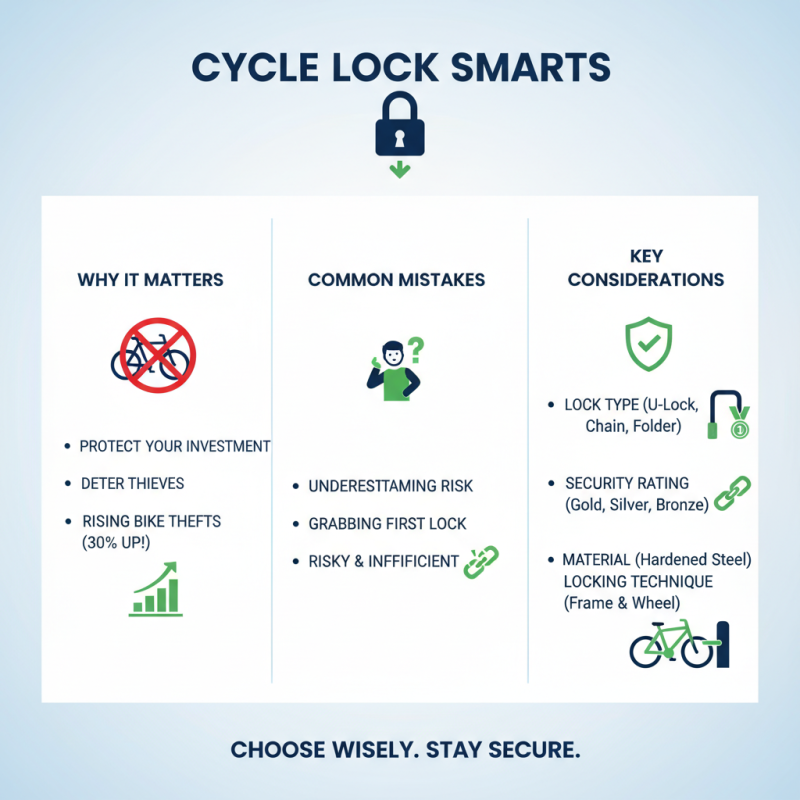
Choosing the right cycle lock is vital for every cyclist. A good lock can deter thieves and protect your investment. The growing number of bike thefts makes this decision even more important. Many cyclists underestimate this issue. They often grab the first lock they see, believing it will suffice. This approach can be risky and lead to lost bikes.
Different locks offer varying levels of security. Some locks are lighter and easier to carry but may not provide adequate protection. Others are robust but can be cumbersome. Understanding these trade-offs is crucial. For example, a U-lock may resist cutting tools, while a chain lock provides flexibility in securing your bike to various objects.
Reflecting on personal experiences with locks can also help. Many cyclists have faced unpleasant surprises after choosing poorly. An expensive bike deserves a reliable lock. Rethink your options and research thoroughly. Your bike's security is not just about the lock; it's about the peace of mind it brings while parked.
Types of Cycle Locks: A Comprehensive Overview
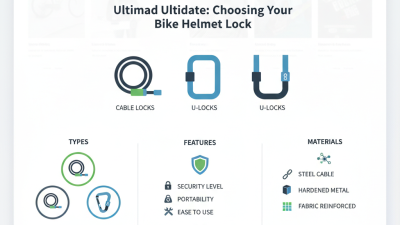
When choosing a cycle lock, understanding the types and their effectiveness is crucial.
U-locks, for example, offer robust protection. They are often made of hardened steel, making them difficult to cut.
According to a recent industry report, U-locks account for over 60% of sales in the cycle lock market due to their reliability.
However, security experts note that no lock is completely foolproof. Thieves have developed ways to exploit vulnerabilities, especially with weaker models.
Chain locks are another popular choice. These offer flexibility in securing your bicycle but can be heavy and cumbersome.
A study showed that, while they are harder to break than cable locks, they are still at risk if not used correctly.
Using chains with thicker links can provide better security.
It's worth noting that approximately 30% of bike thefts occur from improperly secured bikes.
Ensuring proper usage of locks is crucial for every cyclist.
Cable locks might seem convenient, but they are the least secure option. They are lightweight and portable, making them attractive for quick stops.
However, data indicates that over 80% of stolen bikes were secured with cable locks.
With easy cutting tools available, these locks often deceive users about their protective capabilities.
As cyclists, it’s vital to weigh convenience against security when choosing the right lock for your needs.
Key Features to Consider When Selecting a Cycle Lock
When selecting a cycle lock, consider several key features to ensure your bike's security. First, the material plays a vital role. Locks made from hardened steel resist cutting and sawing better than their counterparts. Look for a lock with a thick shackle. A wider shackle is tougher to cut. Additionally, pick a lock with a sturdy locking mechanism. Choosing one with anti-drill features is wise.
Evaluate the weight and portability of your lock too. A heavy lock may deter thieves but could be cumbersome to carry. Consider how it fits on your bike. Some cyclists prefer lighter options for daily commutes. However, these might not offer the same level of protection. Balance between security and convenience is necessary.
Don't forget user feedback. Customer reviews can highlight potential weaknesses or strengths in locks. Occasionally, features might sound great on paper but fail in real-world conditions. Reflect on these insights before making a purchase. Remember, investing in a quality lock is crucial for protecting your bike. A secure lock minimizes the risk of theft.
2026 Top Cycle Lock Options for Every Cyclist's Security Needs
| Lock Type |
Security Rating |
Weight (lbs) |
Length (inches) |
Price Range (USD) |
| U-Lock |
High |
3.5 |
12 |
$50 - $100 |
| Chain Lock |
Medium |
4.5 |
30 |
$30 - $80 |
| Folding Lock |
Medium/High |
3.0 |
24 |
$60 - $120 |
| Cable Lock |
Low |
1.5 |
30 |
$10 - $30 |
| Disc Lock |
High |
1.0 |
3 |
$50 - $90 |
Top Brands Offering Innovative Cycle Lock Solutions for 2026
As cyclists become more innovative, so do their security needs. In 2026, top brands are redefining how we protect our bikes. They offer a range of cycle locks that cater to different scenarios. Some locks are lightweight and portable; perfect for quick trips. Others are heavier, designed for maximum security in urban areas. Each option speaks to the unique lifestyle of cyclists.
Material matters more than ever. High-quality steel and advanced locking mechanisms are becoming standard. Some new designs incorporate smart technology, allowing users to control locks with smartphones. Yet, even with technology, cyclists must remember that no lock is foolproof. All security measures require constant vigilance. An overlooked detail can lead to a bike theft.
Accessibility is key. Some locks are more user-friendly than others. Complicated mechanisms can confuse users, making them less effective. The ideal lock should provide peace of mind without sacrificing ease of use. Consideration is needed for how locks are stored while riding. Not every design offers practicality for daily use. This ongoing evolution highlights the importance of thoughtful choices in bike security.
2026 Top Cycle Lock Options for Every Cyclist's Security Needs
User Reviews and Ratings: What Cyclists Are Saying About Lock Options
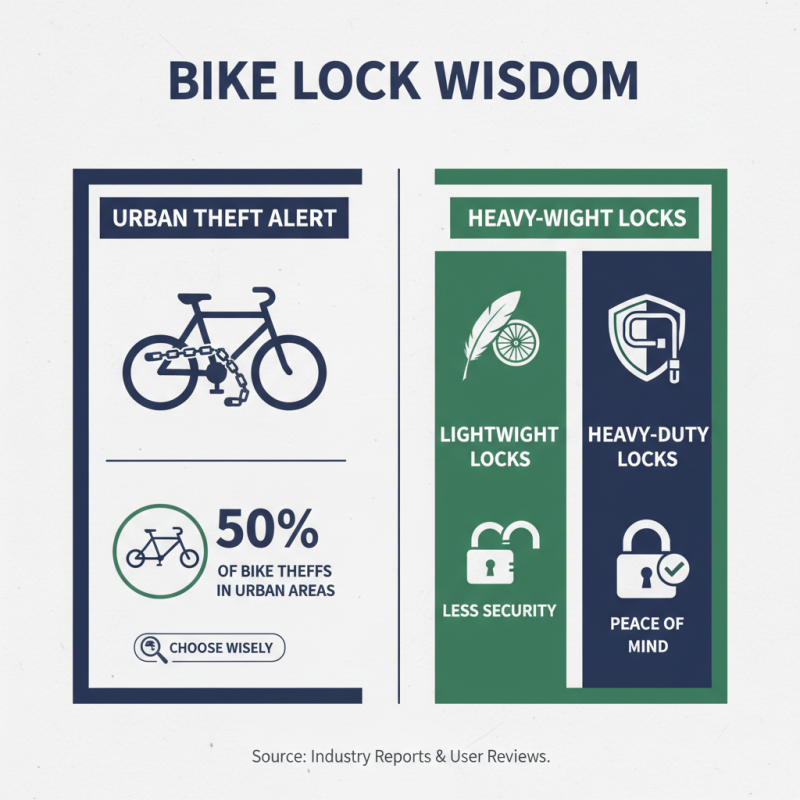
Cyclists face a persistent challenge: securing their bikes. The increasing theft rates show that cyclists must choose their locks wisely. According to recent industry reports, almost 50% of bike thefts occur in urban areas. Cyclists often turn to user reviews for insights. Many point out that lightweight locks are easier to carry but offer less security. Meanwhile, heavy-duty options may weigh them down but provide peace of mind.
User feedback highlights the importance of a balance between security and convenience. A common complaint is that some locks are cumbersome. Cyclists want something effective yet manageable. Features like keyless entry or app connectivity appeal to tech-savvy users. Yet, not every cyclist feels confident with these high-tech solutions.
Tips for choosing a lock include checking dimensions. Make sure it fits your bike frame. Always consider the lock's grade. A higher rating usually indicates better security. Additionally, cyclists should lock their bikes in well-lit, busy areas. Be mindful of your surroundings. Following these guidelines can significantly enhance your bike's security.